LB
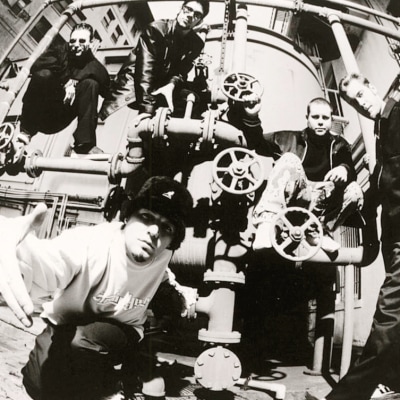
Limp Bizkit
Nu Metal Artist
Limp Bizkit stands as one of the most influential and controversial bands to emerge from the late 1990s nu metal explosion, a movement that fundamentally reshaped the landscape of heavy music and brought aggressive sounds to mainstream radio. Fronted by the charismatic and polarizing Fred Durst, the band became synonymous with the fusion of rap vocals, heavy guitar riffs, and an uncompromising attitude that spoke to a generation of disaffected youth. Their ability to blend nu metal, rap metal, alternative metal, and rap rock into a cohesive sonic identity made them pioneers of a sound that would dominate the turn of the millennium and influence countless artists across multiple genres.
The band's approach to music represented a radical departure from traditional metal conventions. By incorporating hip-hop delivery, DJ scratching, and groove-oriented bass lines into a framework of downtuned guitars and aggressive drumming, Limp Bizkit created a template that would be endlessly imitated but rarely replicated with the same commercial impact. The nu metal sound they helped popularize drew from diverse influences including hardcore punk, hip-hop, funk, and alternative rock, creating a sound that was simultaneously accessible to mainstream audiences and heavy enough to satisfy fans of more extreme music. This crossover appeal proved to be one of their greatest strengths, allowing them to build a dedicated global audience that has sustained them through multiple decades and shifting musical trends.
The band's commercial breakthrough came at a pivotal moment in rock history when major labels were actively seeking the next big thing in heavy music. Their success helped usher in an era where rap metal and alternative metal dominated rock radio and MTV, proving that aggressive music could achieve massive commercial success without compromising its intensity. The late 1990s and early 2000s represented the peak of their cultural influence, a period during which they became one of the biggest rock acts in the world. Their music videos received constant rotation on television, their albums sold millions of copies worldwide, and their concerts drew enormous crowds of devoted fans who connected with the band's raw energy and rebellious spirit.
Musically, Limp Bizkit's sound is characterized by Wes Borland's innovative guitar work, which combines heavy riffs with experimental textures and unconventional approaches to the instrument. Borland's visual presentation and sonic creativity provided a perfect counterbalance to Durst's aggressive vocal delivery, creating a dynamic that set the band apart from their contemporaries. The rhythm section, anchored by bass and drums, provides the foundational groove that allows the band's rap rock elements to flourish, while DJ Lethal's turntable work adds an additional layer of sonic texture that reinforces the hip-hop influence in their sound. This combination of elements created a distinctive musical identity that remains recognizable even as musical fashions have evolved.
The band's live performances became legendary for their intensity and the devoted response they generated from audiences. Festival appearances at major events helped cement their reputation as one of the most exciting live acts of their era, capable of energizing massive crowds with their confrontational stage presence and undeniable charisma. These performances often became cultural touchstones, representing the peak of nu metal's mainstream acceptance and demonstrating the genre's ability to unite diverse audiences around a shared love of aggressive, groove-driven music. The energy of their live shows translated into a loyal fanbase that has remained committed to the band through various lineup changes and periods of reduced activity.
Throughout their career, Limp Bizkit has weathered significant critical backlash even as they maintained strong commercial success. The band became a lightning rod for debates about authenticity in heavy music, with critics questioning the sincerity of their rap metal approach while fans embraced their music with passionate devotion. This disconnect between critical reception and popular success became a defining characteristic of the nu metal movement as a whole, with Limp Bizkit often serving as the focal point for broader cultural discussions about the intersection of rap and rock, the commercialization of alternative music, and the changing nature of youth culture at the turn of the millennium.
The band's influence on the development of modern heavy music cannot be overstated. Their success opened doors for numerous acts working in similar stylistic territories and demonstrated that there was a massive audience hungry for music that blended rap vocals with heavy guitar work. The rap rock and alternative metal movements of the late 1990s and early 2000s owed much of their commercial viability to Limp Bizkit's trailblazing success, even as the band's prominence made them a target for criticism from both traditional metal purists and hip-hop devotees who questioned the validity of genre-blending approaches.
As musical trends shifted away from nu metal in the mid-2000s, Limp Bizkit faced the challenge of maintaining relevance in an increasingly fragmented musical landscape. Rather than abandoning their signature sound, the band has remained committed to their artistic vision, continuing to create music that reflects their unique fusion of rap metal and alternative metal influences. This dedication to their core identity has allowed them to maintain a substantial following even as newer generations of heavy bands have emerged with different approaches to aggressive music.
With over 8.6 million followers on Spotify and a popularity score of 81 out of 100, Limp Bizkit has successfully transitioned from late 1990s phenomenon to enduring presence in the heavy music landscape. Their streaming numbers demonstrate that their music continues to resonate with both longtime fans who remember their initial rise to prominence and younger listeners discovering their catalog for the first time. The cyclical nature of musical trends has brought renewed interest to nu metal and rap rock in recent years, with a new generation of artists citing Limp Bizkit as a formative influence on their own musical development.
The band's current status reflects both their historical significance and their ongoing relevance to contemporary audiences. They continue to perform and record, maintaining an active presence that keeps them connected to their fanbase while occasionally introducing new material that builds on their established sound. The devoted global audience they have cultivated over decades of activity ensures that their concerts remain significant events, drawing fans who appreciate the band's role in shaping the sound of heavy music at a crucial juncture in its evolution. Looking forward, Limp Bizkit appears positioned to continue as both a nostalgic touchstone for fans of late 1990s rock and as an active creative force exploring the possibilities within their chosen musical territory, proving that the rap metal and nu metal sounds they helped pioneer retain cultural relevance more than two decades after their initial breakthrough.
Discover More
Kindred Spirits




Continue your journey
There's more where this came from.
BrightStar is the global directory of artists, teachers, and healers in the wellness and spiritual movement. Find your next experience — or add yourself.
Discover More Artists
Browse 24,000+ curated profiles across kirtan, yoga, meditation, and beyond.
Explore directory →Find an Event Near You
Kirtan, retreats, sound baths, breathwork, ceremonies — happening this week.
Browse events →Add Your Profile
Are you an artist, teacher, or healer? Get listed — free, AI-assisted, live in minutes.
Get started →