Transcript
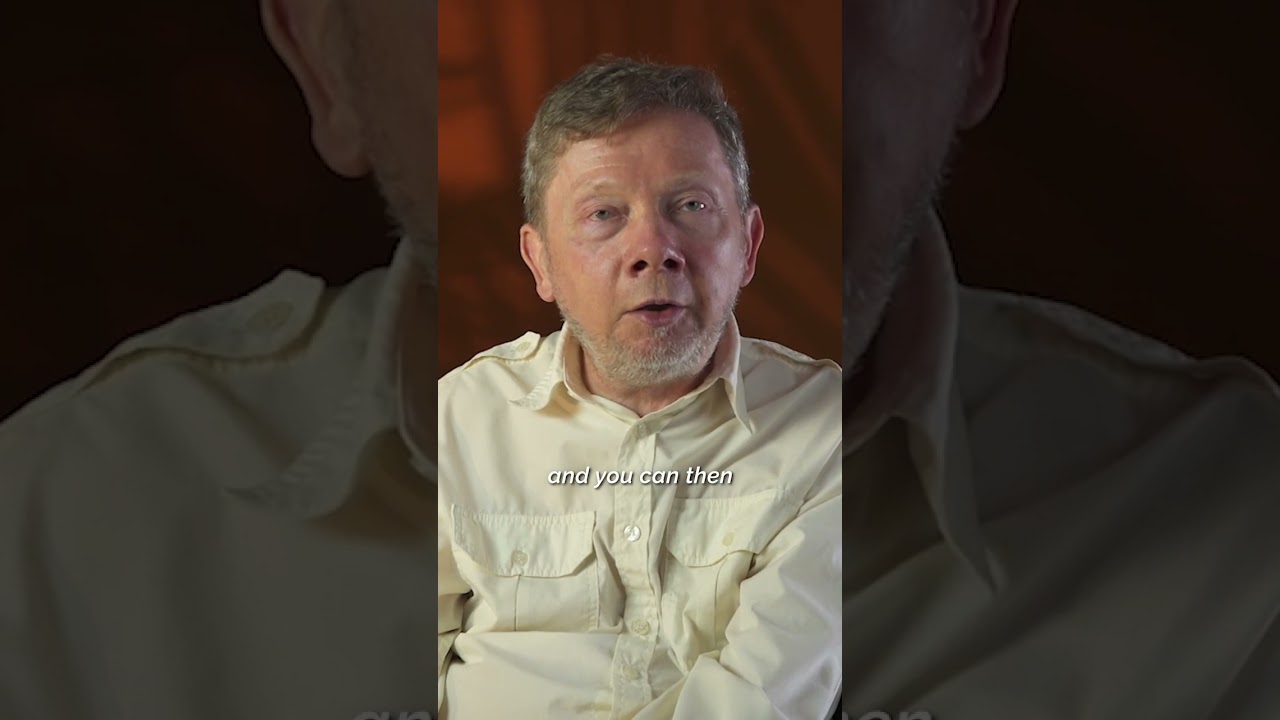
[0:00] part of the thing I've noticed that
[0:02] people tend to get stuck on sometimes is
[0:04] that they get this inspiration right so
[0:07] inspiration comes first and inspiration
[0:10] is the breathing in of God right so like
[0:12] something even the most empirical
[0:15] scientific atheist people in the world
[0:17] when they talk about where an idea came
[0:19] from they say an idea came to me they
[0:22] say that they don't even know they're
[0:23] saying that but they're reporting
[0:25] accurately what the feeling is because
[0:27] that's what everyone I've ever met who's
[0:29] had an idea it's the Eureka moment so
[0:32] this may sound familiar to people who
[0:33] like maybe you've had this experience
[0:35] you start working on this thing that was
[0:37] this inspiration and couple weeks couple
[0:39] months into it couple days another idea
[0:43] comes and that idea seems more
[0:45] interesting than the one that you've
[0:47] already invested some time into uh and
[0:50] then you're like but I want to do this
[0:51] thing this thing is like fresh and
[0:53] exciting this is the really really cool
[0:55] thing right and then you go and do that
[0:56] one and then another idea comes and then
[0:58] it's like you're dealing with this melee
[1:00] so oftentimes people will say to me I'm
[1:02] working on a book and I'm halfway
[1:03] through it but I've got this other idea
[1:05] that I think is way better and this book
[1:07] feels really stale and it doesn't have
[1:08] any life in it and I always say like
[1:11] okay well I give you permission to quit
[1:12] working on that first project but only
[1:16] if you have a proven track record of
[1:17] ever being able to finish a
[1:20] thing that is so smart
[1:24] [Music]
[1:37] hello boys and girls this is Tim Ferris
[1:39] welcome to another episode of the Tim
[1:40] Ferris show where it is my job to
[1:42] interview people from all different
[1:43] disciplines all different walks of life
[1:45] to tease out the habits routines
[1:47] thoughts Lessons Learned and so on that
[1:48] you can apply to your own lives my guest
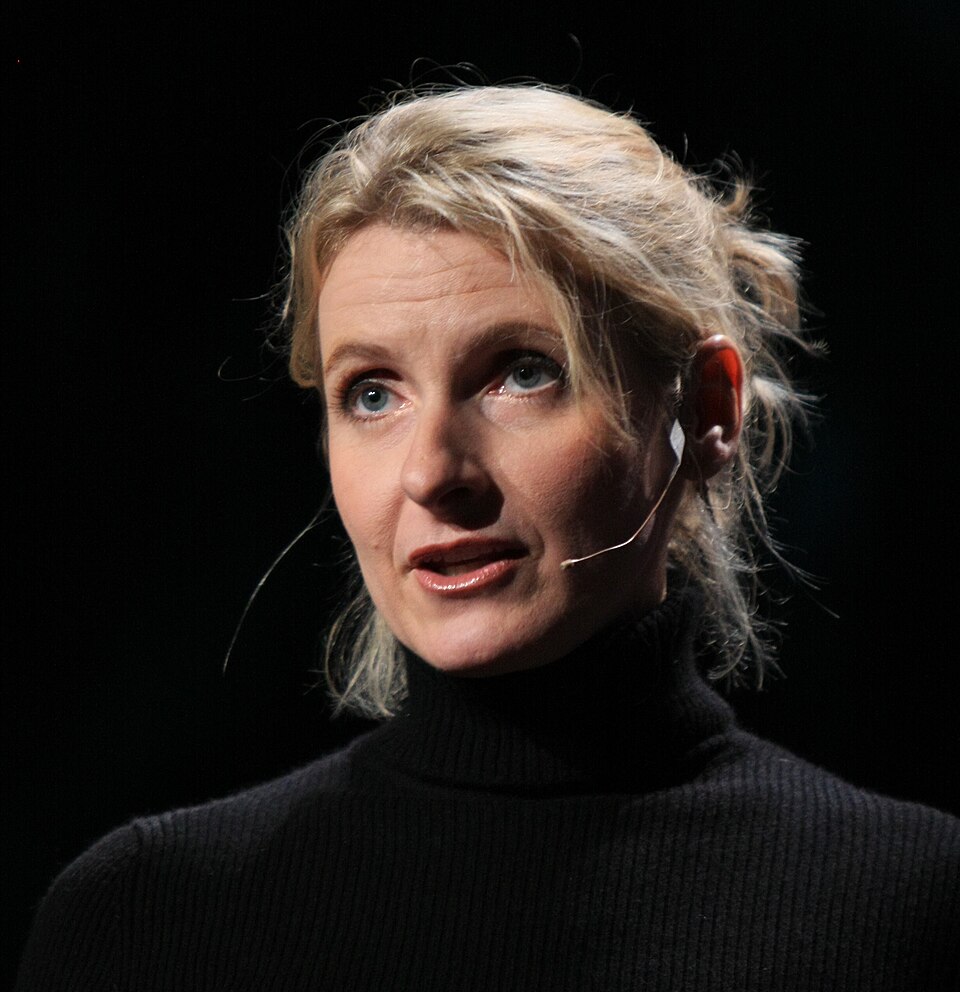
[1:50] today one of my favorites Elizabeth
[1:53] Gilbert she is the number one New York
[1:54] Times bestselling author of big magic
[1:56] and Eat Pray Love as well as several
[1:58] other International bestsellers
[2:00] she has been a finalist for the national
[2:02] book award the national book critic
[2:04] Circle award and the pen Hemingway award
[2:07] her latest novel city of girls was named
[2:09] an instant New York Times bestseller a
[2:11] rolicking sexy tale of the New York City
[2:14] Theater World during the 1940s you can
[2:16] go to Elizabeth gilbert. substack docomo
[2:19] subscribe to Letters From Love with
[2:21] Elizabeth Gilbert her newsletter which
[2:23] has more than 120,000 subscribers you
[2:25] can find her on Instagram at Elizabeth
[2:29] Gilbert writer and Liz it's so nice to
[2:33] see you it's so nice to see you it's so
[2:35] nice to be back talking to you I love it
[2:38] we both did something quite similar you
[2:40] went back and listened to our last
[2:42] conversation which I just had a blast
[2:45] recording with you and I went back and I
[2:48] read all of the summary notes that I had
[2:51] from that last conversation and before
[2:54] we started
[2:55] recording you mentioned a few things one
[2:58] that the very last thing that you
[3:02] mentioned in that conversation will
[3:03] dovetail nicely into some of what we'll
[3:06] talk about today and that'll be just a
[3:07] bit of foreshadowing for folks so we
[3:09] won't go into that first but secondly I
[3:11] asked if you had any particular hopes
[3:16] for this recording and asked what would
[3:19] make it a home run or time well spent
[3:22] and one of the things that you said and
[3:25] this so I suppose broadly what you said
[3:27] too is you had no cherished outcome
[3:30] and I like that phrasing and I was
[3:32] hoping to hear you expand on that a bit
[3:36] because I think it might be good
[3:38] medicine for a lot of what ails me oh
[3:42] God yeah I I mean it's already a home
[3:45] run just getting to sit here and and
[3:48] talk to you and and I know it hasn't
[3:50] been easy for our schedules to figure
[3:52] out when we can do this so I'm just
[3:53] happy and relaxed to be here and I'm
[3:56] also not concerned that you and I will
[3:58] ever have any trouble finding things to
[3:59] talk about I don't think so so that was
[4:01] part of it but the no cherished outcome
[4:03] is actually a line from a translation of
[4:05] a Celtic poem and it's called the Celtic
[4:08] poem of approach and as well as I
[4:12] understand it these are lines that were
[4:15] spoken when you're meeting new people
[4:18] and when you're moving out of one area
[4:21] into another tribe's area or you're you
[4:24] know you're going to be interacting with
[4:25] people in a new way this this beautiful
[4:27] poem of approach that I really love and
[4:30] I'm I'm probably not going to get the
[4:31] whole thing right but it says something
[4:34] like I will honor your Gods I will drink
[4:36] from your well I bring an undefended
[4:39] heart to our meeting place I will not
[4:41] negotiate by
[4:43] withholding I am not subject to
[4:45] disappointment I have no cherished
[4:48] outcome and how do you apply that then
[4:52] to your own lives what led you to hold
[4:54] on to that particular piece it's my
[4:58] highest aspiration that that that poem
[5:02] and that spirit is the foundational
[5:05] agreement of all my
[5:06] friendships and I say those words I have
[5:09] no cherished outcome a
[5:10] lot to my friends and I hope that I mean
[5:14] it you know and when I start feeling
[5:18] hurt or resentful or excluded or
[5:22] misunderstood I'm like sometimes the
[5:24] only way you can find out that you had a
[5:26] cherished outcome is when you didn't get
[5:28] it like you didn't like it like
[5:30] sometimes I discover that where I'm like
[5:31] I think I'm just easy breezy and I'm
[5:33] just hanging out and then I'm like oh I
[5:35] I had a secret hidden cherished outcome
[5:38] because something didn't happen that I
[5:40] wanted and now I'm all like bent about
[5:42] it so so now I get to examine my
[5:48] resentment and ask myself whether I
[5:50] really want to honor I have no cherished
[5:53] outcome or whether I want a
[5:55] sulk I seem to be better at no cherished
[5:57] outcome in friendships than I am and
[6:00] romantic relationships almost the minute
[6:03] relationship becomes a romantic
[6:04] relationship I have a list as long as my
[6:07] arm of cherished outcomes and all of the
[6:09] sudden I can be disappointed and all of
[6:11] the sudden I don't bring an undefended
[6:13] heart to our meeting place but with
[6:14] friendships which I have over time
[6:18] discovered to be actually the true loves
[6:19] of my
[6:21] life I seem to be a little bit better at
[6:24] at taking responsibility for myself and
[6:27] trying not to put outcomes on people why
[6:29] do you think that is that there is such
[6:32] a difference for you between the number
[6:35] of cherished outcomes you might hold in
[6:38] romantic relationships versus
[6:39] friendships is it because at least
[6:42] culturally speaking here in the US there
[6:45] aren't as many stories or scripts
[6:49] related to
[6:51] friendships versus romantic Partners or
[6:54] would you explain it a different
[6:56] way I think that that my thing has
[6:59] always always been and this is why it's
[7:02] been so interesting for me being single
[7:05] and celibate by choice Over The Last 5
[7:07] Years there's nobody to blame which is
[7:10] so
[7:11] great and I think that it's that the
[7:14] minute somebody is attached to me as my
[7:17] partner I do this weird outer body thing
[7:20] where I hold them responsible for
[7:23] whatever mood I'm in and so if I'm
[7:26] feeling great it's because they are the
[7:28] greatest and if I'm feeling terrible
[7:30] it's because they are the worst and it's
[7:32] so unfair and and one of the really
[7:35] beautiful and educational things about
[7:36] spending a lot of time alone is like oh
[7:38] these oh these mood cycles and these
[7:41] depressions and these Euphoria are
[7:43] happening this is like a weather system
[7:45] that's happening that isn't related to
[7:48] anybody and it turns out all those years
[7:51] when I was analyzing those poor people
[7:53] in my relationships and holding them to
[7:56] account for the fact that I felt kind of
[7:57] not right you know it was like oh I
[8:00] haven't been with anybody in five years
[8:01] and I I felt not right when I woke up
[8:03] this morning and there's no one to pin
[8:05] it on it's so great I love it it's like
[8:08] I love not having anyone to pin it on I
[8:10] hate pinning things on people but I
[8:12] don't seem to know how to not do it once
[8:15] we're in a romantic relationship she
[8:17] should come with a warning yeah a lot in
[8:19] life should come with a warning so I
[8:21] have quite a few followups but I'm going
[8:22] to try to put them in some semblance of
[8:24] a coherent order so my my first question
[8:26] related to that is how do you think
[8:29] about
[8:30] responsibility or ownership for yourself
[8:33] in the sense that or I should say rather
[8:36] what prompts that question is I was
[8:37] having a conversation
[8:38] with an executive coach recently Jerry
[8:42] Cola actually who's I think very good at
[8:45] what he does former very top tier
[8:48] investor who has a lot of questions I
[8:51] return to one of which is how are we
[8:52] complicit in creating the conditions we
[8:54] say we don't want but such a good
[8:57] question it's a really good one it's a
[8:59] really good one but
[9:00] the one I wanted to apply here was more
[9:02] a comment he made to me because I was
[9:04] talking about taking radical ownership
[9:06] of things and seeing my role and just
[9:09] about everything and he said
[9:11] well taking responsibility for
[9:14] everything can be as bad as taking
[9:16] responsibility for nothing and so I'm
[9:18] wondering when you wake up and the
[9:20] weather system is dark and
[9:23] stormy how do you work on yourself
[9:25] without picking on yourself if that
[9:27] makes any sense oh such a good question
[9:29] God I love that question how are you
[9:30] complicit in what can you say it again
[9:33] yeah how are you complicit in creating
[9:34] the conditions you say you don't want
[9:37] wow another word for that is who are you
[9:38] blaming your life on
[9:42] today well I think the only honest and
[9:45] humble answer that I can give to that
[9:47] question is I don't know MH and I don't
[9:49] know where that line
[9:51] is but it's easier for me when I'm not
[9:55] in a
[9:57] relationship and it's simpler for me to
[10:01] say okay I can I can take some
[10:04] accountability for my own weather
[10:06] system but as you say I don't want to
[10:09] beat myself up about having weather and
[10:12] I have to constantly remind myself that
[10:15] I mean I think the most compassionate
[10:16] thing that that I say to myself or I
[10:18] hear said to myself all the time from a
[10:21] more loving presence is it is a very
[10:25] difficult thing to have a human
[10:27] Incarnation this is not an easy ride
[10:30] even a good life is a hard life and it's
[10:35] it's so weird it's so profoundly weird
[10:39] to be a Consciousness dropped into a
[10:44] particular body dropped into a
[10:45] particular
[10:46] family arriving at a particular moment
[10:50] in in history like with it's so strange
[10:54] it's like I'm sure you well I don't want
[10:57] to project this on you but maybe you had
[10:58] this experience as a kid like I haven't
[11:01] remember as a kid looking at myself in
[11:03] the mirror and being like I'm in here
[11:05] like it's so weird yeah what am I doing
[11:08] in here and all of that is out there and
[11:11] I'm in here something's inside of this
[11:13] experience and and it's really hard so I
[11:17] think you have to start with that like
[11:19] you know who told you you were supposed
[11:20] to get it right straight out of the gate
[11:22] like who told you you were supposed to
[11:23] get it right seven out of seven days or
[11:25] that you're constantly supposed to be
[11:28] improving like a 500 company constantly
[11:31] you know going in this upward angle
[11:33] Direction a certain percentage every
[11:36] quarter there's billions of systems
[11:39] operating within your body alone
[11:41] hormonal systems and chemical systems
[11:43] and and and viruses and bacteria like
[11:46] we're such a complex mechanism it's so
[11:48] hard to figure out how to operate one of
[11:49] these things and then just when like I
[11:52] do really well in solitude like I can
[11:54] get this thing humming like I can get
[11:56] this machine and this mind and this
[11:58] heart where it is like we are at a
[12:00] beautiful hum but the instant you throw
[12:04] another complex human mechanism into my
[12:07] field you know then I've got to like
[12:09] adapt to their chemistry and to their
[12:11] like it's it's it's I it's hard I don't
[12:14] know it's a lot of varibles and I think
[12:16] it's hard is a really good way to start
[12:18] with
[12:19] self-compassion so that it's hard you
[12:22] you did a
[12:24] retake a few moments ago where you said
[12:26] one of the things that I say to myself
[12:28] and then you Ed that and said one of the
[12:31] things that I hear why did you change
[12:33] that because I believe that I am loved
[12:37] beyond measure
[12:39] by
[12:40] a magnificent
[12:43] complex amused God who has given me
[12:46] power over practically
[12:51] nothing
[12:53] and really like very little that I have
[12:56] control over but
[13:00] what tiny amount I have control over is
[13:02] extremely important it reminds me of
[13:04] something a friend of mine who was a
[13:06] physicist said one time that very little
[13:08] of the universe is matter very little
[13:10] but what there is is very
[13:12] important it's like that I think with
[13:15] control and power like I I have very
[13:17] little control I have very little power
[13:19] even over my own mechanism and my own
[13:21] being but what Little Agency I have I
[13:24] think it's important to to use it well
[13:27] but anyway I talk talk to that presence
[13:30] all the time and I am in a nearly
[13:34] constant dialogue with it and I hear it
[13:37] talking to
[13:38] me and so that's why I say I hear a
[13:42] loving presence saying it's really hard
[13:44] it's really hard like I I'm not telling
[13:47] you this should be easy how long has
[13:49] that been the case is that development
[13:51] in the last handful of years decade has
[13:53] it been true since you were a kid it's
[13:55] deepened I didn't I think one of the
[13:57] things I'm so lucky about my friend Rob
[13:59] once said to me you're so lucky you
[14:01] didn't grow up with an enforced religion
[14:04] and I'm so fortunate about that I went
[14:06] to church like a nice little mellow New
[14:09] England Church most Sundays as a kid but
[14:12] I don't recall
[14:14] anybody talking about God that much like
[14:16] it was more of a social Gathering like I
[14:20] think new englanders are a little bit
[14:22] reticent in terms of being too heavy on
[14:24] the message you know like we sang songs
[14:27] and made crafts and I don't remember it
[14:29] having very much to do with God but I
[14:32] had a god
[14:35] awareness that that was very powerful in
[14:38] me and I remember going to the National
[14:41] Cathedral on a school trip when I was 10
[14:43] in Washington DC and yeah I grew up on a
[14:45] farm so I grew up with very rustic
[14:48] architecture and to go from I mean that
[14:51] Cathedral did what Cathedrals are meant
[14:52] to do to Medieval peasants to me you
[14:54] know like like I was it put me into an
[14:57] ostu State and I remember going coming
[15:00] home and wanting to replicate that state
[15:03] and trying to figure out if I could
[15:04] build a cathedral in my bedroom with
[15:06] like stuff from my dad's Woodshed and my
[15:08] mom's sewing kit like I really did try
[15:10] to I'm like how do you do how do you
[15:11] make that like how do you make a how do
[15:13] you make something that that feels like
[15:15] that and I think writing for me and my
[15:18] my pursuit of writing and the Arts was
[15:20] always driven by this sense of awe and
[15:22] wonder and mystery that something was
[15:24] moving through me that was probably my
[15:26] first direct communication with it but
[15:29] but for the last 20 years I've had a
[15:32] practice nearly every single day of
[15:35] writing myself a letter every morning
[15:38] from unconditional love
[15:40] which is kind of a god presence it's a
[15:44] bit more specific the unconditional love
[15:46] thing because I think God is more than
[15:49] that but that's where I also hear
[15:51] Direction and guidance and humor like
[15:57] yeah I need I need a very funny God I'm
[15:59] not going to do well with a a God that's
[16:01] too
[16:03] serious I need a God who thinks I'm
[16:05] funny like who thinks I'm adorable and
[16:09] funny like I I need that I can't be too
[16:12] you know too beaten up by a higher power
[16:14] how did you start that practice when did
[16:17] it start or even begin germinating it
[16:20] started in desperation when I was in my
[16:22] going through my first divorce was 30
[16:26] and the welll laid out planned life that
[16:31] I had created very obediently like I had
[16:34] done just what my culture had told me to
[16:37] do like I got married at
[16:41] 24 and worked hard and bought a house
[16:44] and made a plan to have a family and
[16:47] then instead of having a family I had a
[16:49] nervous breakdown like quite literally
[16:52] everybody was moving in This One
[16:53] Direction and my
[16:55] entire intellectual spiritual and
[16:58] physical system collect
[16:59] colled which I now know I now see that
[17:03] as an act of God I I now see that there
[17:05] is that that's sort of the Dow you know
[17:08] that there was a force that was trying
[17:10] to communicate to me this is not your
[17:13] path and I'm going to I will kill you
[17:15] before I let you do this I will kill you
[17:18] before I let you be a Suburban housewife
[17:20] I'm not allowing it like I will make you
[17:23] put you in so much physical pain that
[17:25] you're going to have to notice that this
[17:26] is not the life for you but I was also
[17:29] in much
[17:30] shame of of failure and letting people
[17:34] down and like we just bought this house
[17:36] like I just felt like the biggest
[17:38] in the world like I don't know
[17:40] why I can't just get in line and do this
[17:42] thing that everybody's saying to
[17:45] do and anyway that marriage ended and
[17:48] then I threw myself into another
[17:51] relationship and that ended and I was
[17:53] like I'm a me like I I don't know how to
[17:54] orchestrate my life at all and nothing
[17:58] here I am 30 years old and nothing is
[18:00] what I had planned it to be 5 years ago
[18:03] and I was in the deepest depression of
[18:04] my life and I didn't have much of
[18:06] spiritual life at that point but I
[18:08] remember waking up one night in just
[18:11] shame and getting an instruction I mean
[18:14] that's the only way I can explain it and
[18:16] I comfortable with that language because
[18:17] I often have that happen in my creative
[18:19] life where I'm I'm told what to do like
[18:24] this is what you're going to focus on
[18:25] here's what you need to do now and I was
[18:27] given this instruction and it came in as
[18:30] clearly as I'm talking to you and it
[18:31] said get up get a notebook and write to
[18:34] yourself the words that you most wish
[18:36] you would that somebody would say to you
[18:39] because there was a great loneliness
[18:40] that I was feeling too as well as the
[18:42] shame and what that letter said was I've
[18:45] got you I'm with you I'm not going
[18:48] anywhere I love you exactly the way you
[18:50] are you can't fail at this like you
[18:53] can't do this
[18:55] wrong I don't need anything from you
[18:57] this is a huge thing to hear I don't
[19:01] need anything from talk about no
[19:03] cherished outcome I don't need anything
[19:05] from you you don't have to improve you
[19:08] don't have to do life better you don't
[19:09] have to win you don't have to you don't
[19:13] have to get out of this depression you
[19:14] don't have to ever uplift your
[19:18] spirits you could end up living in a box
[19:21] under a bridge in a garbage bag spitting
[19:24] at
[19:25] people and I would love you just as much
[19:28] as I do now like you you can't the love
[19:30] that I have for you cannot be lost
[19:33] because it's innate it's it's yours and
[19:36] it is not I have no requirements for
[19:41] it and if you need to stay up all night
[19:44] crying I'll be here with you and if
[19:46] tomorrow you have a garbage day again
[19:48] because you've been up all night crying
[19:49] I'll be there for that too I'll be I'll
[19:51] be here for every minute of it just just
[19:53] ask me to come and I'll be here with you
[19:56] and the astonishing thing was that it
[19:58] like even talking about it now I can
[20:00] feel the impact that it has on my
[20:02] nervous system to hear those words even
[20:05] in my own
[20:07] voice and it was the first experience
[20:09] I'd ever had with unconditional love I'd
[20:12] never heard anybody say like you don't
[20:14] need I don't need you to be anything you
[20:16] don't have to do better like this is
[20:19] fine this is great you you like on the
[20:22] bathroom floor in a pile of Tears it's
[20:24] not it's great it's great you're like
[20:27] that's fine we love you just like that
[20:29] and that's so nourishing because it's so
[20:31] the opposite of every message that I've
[20:34] ever heard and so I started doing that
[20:37] practice and it's taken me through I've
[20:39] never I've had difficult times in the
[20:42] last 20 years but I've I've never gone
[20:44] as low again as I went at that time
[20:48] because this is the net that catches me
[20:50] routinely before I can get that low and
[20:54] that voice doesn't
[20:55] change all right this is this is getting
[20:58] into the the juicy bits that I love to
[21:01] wait around in so to follow
[21:05] up you've helped a lot of people now
[21:09] draft or attempt to write similar
[21:12] letters and I'm wondering a few things
[21:15] you can answer these in any order you
[21:17] want or you can take it in a different
[21:18] direction one is if there are
[21:20] ingredients that seem to work better
[21:22] than
[21:23] others because everything seems to take
[21:26] practice maybe these letters are no
[21:27] exception the second is do you find that
[21:31] people with
[21:33] some religious orientation or spiritual
[21:37] orientation towards a greater power have
[21:40] an easier time writing this in other
[21:43] words if the letter is from
[21:46] this power to yourself almost versus
[21:49] being from another version of yourself
[21:51] to yourself does it differ an impact
[21:54] those are very good questions so I I
[21:56] found out that what I was doing there's
[22:00] a name for
[22:01] it and and it's actually a long
[22:04] spiritual tradition for people to to do
[22:06] things like this but there's it's a
[22:09] practice that's very common in 12-step
[22:11] recovery and it's called two-way prayer
[22:13] so it's essentially two-way prayer so I
[22:16] call it love but sometimes I call it God
[22:19] for a lot of people that word God is a
[22:23] weapon yeah I mean it is a dangerous I
[22:26] mean especially people who groww up in
[22:28] what is what are called high demand
[22:30] religions or who grew up in really
[22:33] oppressive religious cultures or abusive
[22:35] religious cultures or for whom they
[22:37] simply cannot stomach that word like
[22:39] obviously don't use that word but
[22:41] two-way prayer so one-way prayer is what
[22:44] most people are taught as prayer which
[22:46] is a supplication right
[22:49] like you get down on your knees and I I
[22:52] had done that in my life and like beg
[22:53] for
[22:54] help
[22:56] but sometimes you spend so much time
[22:58] begging for help you're not actually
[23:00] listening yeah I'm too busy saying Marco
[23:02] to hear the polo
[23:05] yeah I like mar mar mar mar mar mar you
[23:08] God's like can I just can I get can I
[23:11] can I just there's something I want to
[23:14] say and so I would suggest if people are
[23:16] interested in this you can look up
[23:18] two-way prayer because there are a lot
[23:20] of people teaching it and they have they
[23:23] have made a a sort
[23:25] of what were you saying is there like a
[23:29] a practice or like instructions like
[23:33] they have found that certain things work
[23:35] really well so I'm sort of quoting from
[23:37] kind of two-way prayer theory on this
[23:40] the first one is that you you can open
[23:43] up the channel by reading something so
[23:47] go to a quiet place although at this
[23:48] point I've done it so long like I can do
[23:50] it in an Uber you know but like go to a
[23:52] quiet place and read something that to
[23:57] you feels holy
[23:59] so it doesn't have to be any official
[24:02] religious text poetry works for me
[24:05] better than scripture so the poems of
[24:08] Hafiz or roomie or Mary Oliver or Walt
[24:10] Whitman Song of Myself from Walt Whitman
[24:12] which is essentially just a big letter
[24:14] from love you can just open that up to
[24:16] any page and you read some of it and I
[24:18] feel like those writers had Direct
[24:20] access to the Divine and they left the
[24:23] door open when they died right so you
[24:25] can just draft in on their on the sense
[24:29] that they create right so you read
[24:31] something that opens your heart in some
[24:33] way and then you ask one question and
[24:36] one question only it's not a
[24:38] deposition and it's not a dialogue
[24:42] because the ego always wants a dialogue
[24:45] like the ego always wants I feel like if
[24:47] I could reduce my ego down to two words
[24:50] it would be yah but like it's always got
[24:53] a follow-up question it's like well yeah
[24:55] but you say yeah but you say that you
[24:57] love me but yeah but you know and it's
[24:58] it's like part of the reason that
[25:00] two-way prayer is so beautiful is that
[25:02] you ask the question and then you stop
[25:04] talking you get your opening statement
[25:06] right your opening statement is dear
[25:09] love what would you have me know
[25:12] today and then the other thing that I've
[25:14] seen suggested in two-way prayer
[25:16] practice and this kind of came
[25:17] intuitively to me but I see that it's
[25:19] taught this way when people teach it is
[25:22] the first line back to you from the
[25:25] Divine should be an
[25:27] endearment and if affectionate
[25:30] nickname my love my child my my
[25:34] sweetheart my little one I hear little
[25:36] one a lot my little
[25:38] one my angel honey
[25:42] head I've seen some of my friends have
[25:45] like tiny turtle penguin cheeks you know
[25:48] like some sort of like endearment be
[25:51] stuck imagining with penguin cheeks look
[25:53] like restation you know and and that's
[25:56] very hard for some people because the
[25:58] idea of turn toward
[26:00] yourself as though you are worthy of
[26:04] endearment can be really hard for
[26:06] especially perfectionists and the most
[26:09] driven Among Us like you didn't earn how
[26:12] did you earn sweet love you didn't earn
[26:15] that you know like but this is a kind of
[26:17] love that doesn't have to be earned so
[26:20] you start with that and then and then so
[26:23] the way I did it the first night I did
[26:24] it was I literally just wrote what I
[26:27] wish somebody would say me you know like
[26:30] like and and that's pretty
[26:32] straightforward as an instruction
[26:33] because you know what you wish somebody
[26:35] would say to you you know like you know
[26:38] how you want to be loved you know how
[26:40] you want to be loved it's it's right
[26:43] there like you know what you're dying
[26:44] for we all know what we're dying for
[26:46] whether it's Mother Love or the missing
[26:48] father or the partner or the like
[26:51] somebody who's just like I've got you I
[26:53] see you you know I see you I love you
[26:57] you're you're amazing amazing to me um I
[27:00] see that you're suffering I'm with you
[27:02] and you're suffering and then you just
[27:04] you just write that but over time what I
[27:07] think people will find one of the
[27:09] biggest questions people have is like
[27:11] well it just feels like it's just me
[27:13] writing to me like it feels super
[27:15] artificial I don't feel like I'm hearing
[27:18] God's voice I don't feel like I'm
[27:20] believing that there's this eternal
[27:21] Source in the universe that's completely
[27:23] loving and unconditionally adors me I
[27:25] just feel like I'm doing this exercise
[27:28] of just writing words to myself and that
[27:30] doesn't feel spiritual and it doesn't
[27:32] feel rich and it doesn't feel
[27:35] real and the question I have heard is
[27:38] well what's so bad about that what if it
[27:40] is just you what if all it is is just
[27:44] you writing to yourself from a Kinder
[27:46] voice within you wouldn't that be worthy
[27:49] enough to be slightly life-changing
[27:52] besides the terrorist who lives inside
[27:54] your head constantly telling you how you
[27:57] failed like why not change the channel
[28:00] in your own head and if that's all it is
[28:02] and what if God is just the most loving
[28:04] voice inside your own
[28:09] head this makes me actually flash back
[28:11] to our last conversation because we have
[28:15] some proof for this in a different form
[28:18] which is morning pages from the artist
[28:21] way and Julia Cameron just getting your
[28:24] monkey mind on paper even if it's
[28:26] actually the terrorist
[28:29] can be incredibly powerful and one of my
[28:32] friends I remember he tried it for the
[28:34] first time for a week and he said he's
[28:35] very high functioning works with a lot
[28:38] of household names I won't mention but
[28:40] he said this is the closest thing to a
[28:42] magic trick a real world magic trick
[28:44] that I've ever come
[28:45] across so that question what if it is
[28:50] just the kindest voice in your head I
[28:54] think
[28:55] is helps to diffuse maybe the pressure
[28:58] that people would apply to themselves
[29:00] when trying this for the first time yeah
[29:02] right and as you were talking about the
[29:03] very first example you gave I was
[29:05] thinking and I think this might have
[29:06] been chip Conley could have been someone
[29:07] else who said this to me but that
[29:09] happiness is reality minus expectations
[29:11] and I was like there are a lot of ways
[29:13] to play with that collection of
[29:15] variables one of which is saying hey
[29:17] you've already passed the grade you
[29:20] could be under an overpass and that's
[29:22] acceptable that's okay right you don't
[29:24] have to be that Fortune 500 company
[29:26] compounding it x%
[29:28] no per quarter thank God
[29:32] yeah yeah because you know those people
[29:34] and I know those people and I don't know
[29:37] that it's such a gentle loving life that
[29:41] they're leading yeah I think I know one
[29:43] of them
[29:44] intimately at least somebody somebody
[29:47] who kind
[29:48] of assumes that's the the
[29:52] Baseline minimal acceptable outcome
[29:54] right is and life just doesn't seem to
[29:57] work that way it's not linear even if
[29:59] you
[30:00] are improving over time but applying
[30:03] that pressure sometimes handicaps the
[30:06] Improvement in the first place so
[30:08] question for you this occurred to me and
[30:10] it may be a dead end but I'm
[30:13] wondering have you seen any difference
[30:18] in how men approach this or have
[30:21] challenges with it versus women or no
[30:23] difference is it kind of ubiquitous set
[30:27] of Alles when you look at the number of
[30:30] friends listeners readers Etc who have
[30:33] attempted this that's such a good
[30:35] question it's hard to know because women
[30:36] tend to follow me more than men do yeah
[30:39] but I've invited a number of men to so
[30:43] every week so on my substack I I share a
[30:46] letter from love that I've written and
[30:48] then I invite a special guest to do it
[30:50] and I've invited a number of men I'm
[30:53] thinking right now about my friend AR
[30:56] Cooper who's such an extraordinary guy
[30:59] he grew up on the south side of Chicago
[31:02] in an absolutely bullet and drug-ridden
[31:05] ghetto black underprivileged underserved
[31:10] he's the subject and the producer of a
[31:13] gorgeous documentary called a beautiful
[31:15] thing and he wrote a book by the same
[31:18] title and when he was in high school
[31:20] with like no future some guy showed up
[31:24] in his high school hallway with a rowing
[31:26] machine and was like hey hey I want to
[31:28] start a I want to start like a the first
[31:31] black rowing team or the first black
[31:34] crew MH do any of you guys want to do it
[31:36] and he was like yes I absolutely want to
[31:38] do it and and he now has become this
[31:41] Ambassador teaching rowing all over the
[31:43] world in South Africa and and his letter
[31:46] from love that he shared is one of the
[31:49] my favorite ones that I've ever that
[31:51] I've ever seen because he was his letter
[31:53] was addressed to that little boy who he
[31:57] was who saw more violence before he was
[32:01] 8 years old than most people on tours of
[32:03] Duty in Afghanistan had seen and
[32:07] how how tenderly that child needed to be
[32:12] treated and watching him you know this
[32:15] like athlete this motivational speaker
[32:19] this great leader like Turned toward
[32:21] himself or have love turned toward him
[32:25] in such a tender and intimate way was so
[32:27] moving but he was open to it he allowed
[32:29] that vulnerability to come through
[32:32] there's something that I've learned in
[32:33] ifs internal family systems therapy I
[32:36] was just going to bring it up yeah I
[32:38] mean the mind is working it all works
[32:40] with an ifs too but but there's one of
[32:42] the things they say in ifs a lot it's a
[32:44] prepositional change how do you feel
[32:46] toward yourself versus how do you feel
[32:48] about yourself mhm may I just give a
[32:51] little bit of context for folks so ifs
[32:53] for people who don't know it's it's
[32:54] somewhat strangely named so internal
[32:56] family systems can be thought of as and
[33:01] please fact check me I did an episode
[33:04] with dick Schwarz for people who are
[33:05] interested
[33:07] but Parts work in the context of
[33:11] different parts of yourself so you might
[33:13] have protectors you may have Exiles
[33:15] these aspects of yourself that you have
[33:17] pushed away or compartmentalized in some
[33:19] way and you
[33:22] facilitate
[33:24] dialogue between and among these
[33:26] different parts for the purposes of of
[33:28] of therapy and it can be very very
[33:30] powerful so I just wanted to give people
[33:31] a little bit of context beautifully
[33:32] described yeah I've heard it described
[33:34] as group therapy for
[33:37] one and he actually dick Schwarz who
[33:40] founded it started off as a group
[33:41] therapist and when he started doing
[33:42] individual therapy he was like oh this
[33:44] is just like group therapy we've got
[33:46] voices yelling at each other inside this
[33:48] person who don't know how to communicate
[33:50] with each other right so yeah that's a
[33:52] really beautiful summation of what it is
[33:54] but the difference between even I mean
[33:57] try Tim actually can you feel the
[33:59] difference physically between if I ask
[34:01] you how you feel about yourself and how
[34:04] you feel toward yourself they totally
[34:06] different because toward yourself I'm
[34:08] taking a friendly Observer perspective
[34:12] there's an built in empathy right and
[34:15] how do you feel about yourself also is
[34:17] so familiar
[34:20] linguistically that it overlaps with a
[34:23] lot of the negative tracks that I
[34:25] already have had in my head whereas how
[34:26] do I feel towards myself that's not not
[34:28] a construction I use so it benevolently
[34:31] hijacks the whole thought process
[34:33] instantly you know you ask me how I feel
[34:35] about myself I'll show you a list of
[34:36] everything that needs Improvement yeah
[34:38] you know and I'm wired to constantly be
[34:40] self-improving and I'm sure you are too
[34:43] how do I feel toward myself I'm like oh
[34:45] man you're tired like you've got this
[34:48] chest cold you've had for seven weeks
[34:50] you're finishing this project that's
[34:52] huge like you got a lot on you like
[34:55] honey yeah it's hard you're having a
[34:57] hard like gets hard suddenly it's like
[35:00] I'm a very different person toward
[35:02] myself let's actually hop from that I'll
[35:06] mention one thing then I want to hop to
[35:08] something related which is self-
[35:10] friendliness and how you think about it
[35:13] how others might think about it I just
[35:15] want to say in connection with ifs and
[35:18] also a number of other workshops and
[35:21] seminars that I've done I have not
[35:23] written a letter from Love in the way
[35:26] that you describe it exactly but I did
[35:28] write a version of it that sounds
[35:30] actually very similar to the last
[35:31] example you gave and this is done in a
[35:33] fair amount of Parts work is you know
[35:35] what would you say to X which could
[35:39] be I'm making this up but some like fear
[35:42] of inadequacy at what age right how old
[35:45] are you 5-year-old Tim okay what would
[35:47] you say to 5-year-old Tim so I have
[35:49] written letters to a younger version of
[35:53] myself and found it to be
[35:56] incredibly powerful I mean this was
[35:58] years ago that I did it and it still
[35:59] sticks in my mind and I remember a lot
[36:01] of the language that I
[36:02] used but the the question of self-
[36:04] friendliness sort of
[36:07] broadens and includes a lot of what
[36:09] we've been talking about
[36:11] already could you speak to self-
[36:13] friendliness in whatever way makes sense
[36:16] to you yeah I mean we always talk about
[36:18] self-love but that's kind of lofty and I
[36:22] think you could just start by being a
[36:23] little friendlier you know what I mean
[36:25] like just how about the common courtesy
[36:27] you go to a stranger on the subway like
[36:29] let's start with that you know just
[36:31] common human decency so there's a story
[36:34] that I'm so moved and disturbed by it so
[36:37] Sharon salsburg do you know Sharon
[36:39] salsburg the meditation teacher so she
[36:41] met the Daly Lama and she's written
[36:43] about this she met the Daly Lama on his
[36:45] first visit to the west and she was in a
[36:49] group of people who were the first
[36:51] Americans North Americans to meet him
[36:54] and it was at a time when nobody really
[36:55] knew who he was he wasn't like the
[36:57] rockar who he became was this obscure
[36:59] Tibetan
[37:00] monk and of course it took place
[37:03] somewhere in California and there were
[37:05] some academics in the room and some
[37:07] spiritual writers and teachers and
[37:09] meditators and this sort of elect group
[37:11] of people who were coming to meet him
[37:13] and he was speaking through a translator
[37:15] because he didn't speak much English at
[37:16] the time and somebody in the room asked
[37:18] him how what Tibetan Buddhism and his
[37:23] teachings have to say about self-hatred
[37:26] and how to combat self hatred and don't
[37:30] you know that man had to talk to his
[37:34] translator for like 15 minutes and kept
[37:37] asking for the question to be repeated
[37:40] he didn't understand the question he
[37:43] kept thinking that he was mishearing the
[37:45] question because he kept saying wait who
[37:47] is the enemy who's the person that
[37:48] you're having trouble with and of course
[37:50] being like calvinistic westerners in the
[37:53] room ra raised on
[37:55] scarcity and you know you're never
[37:58] enoughness and original sin everybody in
[38:00] the room was like no I'm the one I hate
[38:03] you know and and he was like this
[38:05] doesn't even make
[38:07] sense like what you're saying doesn't
[38:09] even make sense and and when he finally
[38:11] grasped not only that he understood that
[38:14] person's question and what they were
[38:15] talking about but that everyone in the
[38:16] room shared this problem he was so
[38:20] devastated and and he said I used to
[38:23] think that I had a really good
[38:27] understanding of the work of the human
[38:28] mind but this is new to me and this is
[38:31] very disturbing like this is not okay
[38:35] and and essentially after that he said
[38:37] this is where we're going to start you
[38:39] know and then that basically became his
[38:42] mission in the western world and it's
[38:44] interesting I was talking about it with
[38:45] Sharon salsburg the other day and she
[38:47] was saying in Buddhism they say you know
[38:50] that one of the things if you want to
[38:51] evolve is that you have to be less
[38:53] precious to yourself you have to think
[38:55] of yourself as being less precious but
[38:57] she said in the west we have to we
[38:59] haven't even gotten to the point where
[39:01] we think we're precious yet to let go of
[39:02] it like first she's like I think we
[39:05] first have to find our preciousness and
[39:08] then we can let go of it and then we can
[39:10] evolve but but if we don't even know
[39:12] that any of us anything about us is
[39:14] precious that's already a problem and
[39:17] when the Daly Lama started teaching
[39:18] people how to love themselves he would
[39:20] say talk to yourself the way your mother
[39:22] would talk to you and then he found out
[39:24] about some of our moms and he was like
[39:26] okay grandmother like he was just
[39:28] scratch that scratch that he was like
[39:31] has anybody ever said a kind word to you
[39:33] you know like it was you know and it
[39:34] really spotlights this sort of terrible
[39:37] dysfunction that we all kind of
[39:39] collectively have grown up in have you
[39:41] found other ways
[39:43] to counteract that outside of the letter
[39:47] writing are there any other practices or
[39:51] recommendations for people who are
[39:53] experiencing this many of whom are
[39:55] experiencing it secular ly right they
[39:58] they they may experience it in the
[40:02] absence of a religious upbringing as
[40:03] would be the case for
[40:05] me any other recommendations or thoughts
[40:09] you just made me realize I didn't answer
[40:10] your second question about whether
[40:12] people who have some sort of religious
[40:14] or spiritual ah basis find this easier
[40:18] not necessarily because some people
[40:19] still are praying to what James Joy
[40:21] called the hangman God and you're not
[40:24] going to get a letter of unconditional
[40:25] love from the hangman God you know
[40:27] you're going to get a list of complaints
[40:29] about things that you need to do better
[40:32] so sometimes those people have a really
[40:34] hard time doing it there's one man I
[40:36] asked to do this to write a letter from
[40:38] Love and
[40:39] he's a very
[40:42] well-known figure in the world of I'm
[40:45] trying to think how to not identif I'm
[40:46] not even going to say more than that but
[40:48] he's somebody who's very admired and is
[40:50] very good and I and he had the most
[40:53] surprising response of people who have
[40:55] said no most people say no because
[40:56] they're either afraid that they're to
[40:58] ask love to show up and love isn't going
[41:00] to show up and that would be more
[41:02] painful than not asking or they feel
[41:05] like it's too vulnerable to expose
[41:07] themselves like this he said no because
[41:09] he said I have a feeling I know what
[41:11] unconditional love is going to say to me
[41:13] it's going to say you're you're trying
[41:16] too hard and you're doing too much and
[41:17] you don't have to try this hard and do
[41:19] too much but I don't want to be let off
[41:20] the hook because I I want to keep
[41:23] aspiring to go further and higher and I
[41:26] don't want to hear a voice that tells me
[41:28] that I'm okay just the way I am I'm
[41:30] afraid that will make me stop and I was
[41:32] like oh
[41:33] honey who hurt you you know oh dear you
[41:37] can still do things but might it not be
[41:40] nice to also hear that something loves
[41:44] you even as you're aspiring you know
[41:45] anyway it was just that was
[41:49] interesting sorry but you had a yeah
[41:52] second question yeah the question was I
[41:54] suppose related and that is outside of
[41:57] writing this letter you've described
[41:59] what
[42:01] other what other approaches or habits
[42:05] anything at all have you found helpful
[42:07] or seen helpful for others in
[42:10] counteracting sort of self antagonism
[42:14] right so fostering self- friendliness in
[42:16] other words boundaries is what comes to
[42:19] mind and some really hardcore ones makes
[42:24] me think of our mutual friend Martha
[42:25] Beck yeah who you've known a lot longer
[42:28] than I have tell me what made you think
[42:30] of her for that well the Integrity
[42:32] cleanse and just checking in I know we
[42:35] discussed it last time but setting a
[42:37] timer to check in every 30 minutes to
[42:38] see if you're lying and if you're if you
[42:40] want to even be in this conversation
[42:42] right if your sister's like yeah you're
[42:44] coming over for the baby shower and
[42:45] you're like I'd love to beep beep beep
[42:46] like no actually I really have zero
[42:50] interest yeah I have
[42:53] gotten there are people who I am not
[42:56] skilled this is how I word it because I
[42:58] I want to keep it on me I'm not skilled
[43:01] enough to be able to hold my serenity
[43:04] when I'm around them mhm and I lose the
[43:07] hard-earned peace that I try to generate
[43:09] every day through meditation and through
[43:12] two-way prayer and through the way that
[43:14] I live like I'm constantly trying to
[43:17] bring myself to a level of kind of
[43:19] humming nicely along and there are
[43:21] certain people who I man I just can't do
[43:23] it and I think my younger self was
[43:26] spiritually ambitious enough that I was
[43:28] like if you were a better human being
[43:31] then you would be able to Jiu-Jitsu your
[43:33] way through this or you would compassion
[43:35] your way through this or you would
[43:36] accept your way through this and I'm at
[43:39] an age now at 55 where I'm like no I
[43:41] just can't do I can't like I come home
[43:45] sick when I'm around those people like I
[43:48] lose my attainments when I'm around
[43:50] those people and and it's not friendly
[43:54] for me to be around people who are cruel
[43:58] and when I'm around people who are
[44:01] cruel I I become unwell and I
[44:05] also then have to use something to like
[44:09] I get so disregulated you mean like a
[44:11] substance yeah or like I get like
[44:14] there's certain people I'm around them
[44:15] and it's like I want to have a drink
[44:17] like I want to have I want to have a
[44:19] drink call a phone number I shouldn't
[44:21] dial like start smoking and driving fast
[44:23] you know like this dis
[44:27] kind to myself to put myself in those
[44:29] situations again and again so how do you
[44:32] or how have you created boundaries or
[44:36] put those relationships on probation or
[44:40] otherwise separated yourself you know
[44:42] I'm trying to think how to describe it
[44:44] that doesn't get too revealing too much
[44:46] personal stuff I'm not here to say it's
[44:47] easy yeah but I do feel a sense of
[44:52] stewardship toward myself and
[44:59] and you know I mean it's
[45:02] hard I I'll tell you this I did an event
[45:04] with Rachel cargle the great writer and
[45:07] civil rights activist a couple years ago
[45:09] and somebody in the audience asked us
[45:11] you guys both seem so calm and chilled
[45:13] you have difficult people in your life
[45:14] and I started laughing so hard I rolled
[45:16] literally rolled off my chair and I was
[45:19] like yeah yeah and she said no I don't
[45:23] and and I was like wait what and I and I
[45:26] was like leaning in I'm like wait a
[45:27] minute break that down and she said no I
[45:30] don't have anybody in my life currently
[45:31] who's difficult because I I won't do
[45:34] that to myself anymore and here's the
[45:36] here's the Zinger this is somebody with
[45:38] a tremendous sense of self value and
[45:41] self- friendliness the follow-up
[45:43] question in the audience was somebody
[45:45] said what about people who you have to
[45:47] deal with and you have to have them in
[45:49] your life CU like they're in your family
[45:51] and she said I'm thinking as hard as I
[45:53] can and I cannot come up with a single
[45:55] name of anybody who is entitled
[45:58] to be in my life no matter what their
[46:00] biological relationship is to me and
[46:03] that's a radical position to take and
[46:06] Rachel cargo lives a radical
[46:08] life and that's somebody who is really
[46:12] prioritizing her own
[46:14] well-being and she was like I've blocked
[46:17] my mother for several years at a time
[46:20] because because she was too destructive
[46:24] to she's like I've got siblings I
[46:27] haven't spoken spoken to in years
[46:28] because they're too disruptive and
[46:31] they're not entitled to have me in their
[46:33] life just because we were born into the
[46:34] same family that's intense boundaries so
[46:38] I I will say only that I've done stuff
[46:40] like
[46:41] that I've decided that um not
[46:44] everybody's entitled to have me in their
[46:46] life just a practical tactical question
[46:50] since that's that's where my brain
[46:51] sometimes goes do you slow fade that
[46:54] person you just start like first you
[46:56] respond after 24 hours then it's a week
[46:58] then it's 2 months then it's never or do
[47:00] you have a conversation you text them
[47:03] and you're like hey love you butt or is
[47:06] there some approach that you take I'm
[47:09] going through a list in my head I'm like
[47:10] how did I do that one how did I do that
[47:12] one some have been done I would say
[47:14] elegantly which to me means like
[47:17] honestly but I think I think again you
[47:21] can keep it on the eye and just say like
[47:24] I noticed that I become so
[47:29] disregulated after these encounters that
[47:33] I can't do this
[47:35] anymore it's this is too dysregulating
[47:37] for me I I I can't do it I'm out
[47:42] yeah and at times where I'm super
[47:46] disregulated I will say I'm not well and
[47:49] I need to go get well and I'm going to
[47:51] go take some privacy because that's also
[47:53] true like I can get so disregulated that
[47:55] I become unwell
[47:58] I'm thinking of a couple other people
[48:00] where I very honestly said
[48:02] like I'm at a place in my life right now
[48:05] where I need a lot of solitude and a lot
[48:07] of silence and and if that changes I'll
[48:11] let you know um yeah but and then
[48:13] there's some people who I just stopped
[48:15] responding to because
[48:18] their being I kept running through the
[48:22] scenarios of like how would an open and
[48:23] honest conversation about this go and it
[48:25] would be like not good
[48:28] I don't have any reason to think that
[48:29] this would go well like this is going to
[48:31] be a firestorm and I think I'm just
[48:34] going to leave MH it isn't easy but I
[48:38] I'm a lot healthier yeah since I've done
[48:42] that I think it's easier when you're
[48:43] older too cuz I think you get used to
[48:45] like you don't keep everybody in life
[48:47] you know you can't you can't right
[48:49] there's an EB and flow even if you
[48:51] wanted to you couldn't and it makes me
[48:55] think of maybe Bonsai is not the the
[48:57] right example cuz I do think of them
[48:58] kind of kind of as little tortured trees
[49:01] but but pruning as opposed to
[49:04] accumulating right curating as opposed
[49:07] to collecting and I think as you get
[49:10] older you just realize okay there there
[49:13] is at least as far as we know in this
[49:16] corporeal body an end to the story yeah
[49:19] not generating more time and some people
[49:22] just consume more life energy than they
[49:24] contribute I mean I always say some
[49:26] people are medicine
[49:27] like when you're with them when you come
[49:29] away from them you feel like you've
[49:30] gotten a dose of medicine and some
[49:33] people need medicine and when you're
[49:35] with them you feel like they raided your
[49:37] Pharmacy and some
[49:40] people need to be
[49:43] institutionalized like it's beyond that
[49:45] it's just like I can't do I can't do
[49:47] anything with this here you know one
[49:48] thing I have noticed is that I I don't
[49:51] like holidays MH I don't like the ritual
[49:55] of like big holiday Gatherings and and
[49:59] I've let my family know that that I'm
[50:02] like I love you guys and I'm going to
[50:05] come and see you any day of the year
[50:07] except these
[50:09] days so I'll come and see you in early
[50:12] December I'll spend a week we'll have a
[50:13] great time like well I want to have
[50:15] one-on-one time with you I want to sit
[50:17] at the table with you I want to go for
[50:19] walks with you I want to go for bike
[50:20] rides with you I'm not com for Christmas
[50:24] I can't why is that I'm so curious just
[50:26] as someone who you picked my one in one
[50:28] in favorite oh do you that's so
[50:31] wonderful which is fine yeah and great
[50:34] but I'm curious what is it about the
[50:36] Gathering cherished outcomes cherished
[50:39] outcomes meaning that you feel like you
[50:41] need to perform man there's some I feel
[50:43] like there's so much on the table and
[50:45] it's like the meal and the like it's so
[50:48] I find it even as a kid I found it so
[50:52] stressful and everyone's so tense and
[50:57] it's like can we why do we have to do
[50:59] this and the answer is you don't have to
[51:03] yeah but the people who love it should
[51:06] do it mhm yeah for
[51:10] sure I just sit by the fire with my dog
[51:13] and drink hot chocolate so that sounds
[51:15] fantastic it's not very stressful in my
[51:18] case no I actually like spending
[51:21] holidays alone because they're quiet
[51:23] days when you're alone like the phone's
[51:25] not ringing and working Mills aren't
[51:27] coming in like some of my happiest days
[51:30] have been holidays that I spent alone I
[51:33] enjoy it have you always been
[51:34] comfortable with Solitude or extended
[51:36] periods of being alone has that always
[51:38] been the case to mix but I love yeah I
[51:43] love my own
[51:46] company except for when I'm in some sort
[51:49] of super disrupted mental state and then
[51:52] it's very painful to be with myself but
[51:55] but lately
[51:58] like in the last 10 years it's my
[52:00] favorite person to hang out with and I
[52:03] live alone and I love living alone and I
[52:07] love I love waking up and being like
[52:11] here's our day like what do we want to
[52:13] like what do we want to do it's so how
[52:15] do we want to spend this and I'm a
[52:17] writer I chose to be a writer it's a
[52:19] very solitary it is solitary time and I
[52:21] love that like my most joyful moments of
[52:25] my life have been
[52:27] alone with my work and I remember
[52:30] hearing Michael shabon one time
[52:32] say and I'm super social too like I I
[52:36] have a lot of friends and a lot of
[52:37] people who I love and care about but I'm
[52:39] always happy to go go back to being
[52:42] alone anyway I heard him say one time
[52:44] and he's got four kids I think but he
[52:46] said you know you your books you can
[52:51] love your books but they can't love you
[52:52] back and I thought oh my books love me
[52:55] back
[52:57] like my work loves me it is a love story
[53:01] in two directions like it is a beautiful
[53:03] love story writing those books and and I
[53:05] feel that there's something very alive
[53:07] and connected in that that isn't just me
[53:11] so for people who can't see and even for
[53:13] people who can see
[53:16] video your hairstyle has changed since
[53:19] we last spoke how did that come to be
[53:22] what is is there a significance there
[53:24] yeah so I buzzed off my hair gosh about
[53:27] months ago and um I have been wanting to
[53:31] do this for 20 years and dreaming about
[53:35] doing this for 20 years and I can't tell
[53:38] you how many times I've sat in my
[53:39] hairdresser's chair and been like just
[53:41] take those Clippers and just like just
[53:43] buzz just buzz it off just buzz like
[53:45] just buzz it off take it off take it off
[53:47] just take it off like I just want to be
[53:48] free I want to be free and I never had
[53:50] the courage to do it and and I had a lot
[53:53] of reasons for why I couldn't do that as
[53:55] a woman like what if my head has a weird
[53:59] shape I mean I'm a public figure what if
[54:01] I'm out there with a bald head what if
[54:04] I'm don't I don't know like I just I
[54:06] always was like when I get older I'll do
[54:08] it when I get older I'll do it and then
[54:10] I had this amazing
[54:12] Awakening and it was last year I went to
[54:16] an event in New York and there are a
[54:17] bunch of people there who were in their
[54:19] 40s 50s and 60s and this is New York
[54:22] City so it's like the most like one of
[54:24] the most Progressive places in the world
[54:26] and I looked around the room and all the
[54:28] men all of the men had clipped like
[54:33] shaved or buzzed hair and they all
[54:36] looked great like yours like they all
[54:38] looked great like it was a bunch of
[54:40] silver foxes they all had lines in their
[54:42] faces they looked
[54:44] fantastic and all the women had long or
[54:48] longish versions of some sort of
[54:50] complicated
[54:52] hair that I you know I know hair so I
[54:55] know what it costs to have that hair I
[54:57] know the keratin treatment you had to
[54:59] have for that hair to look silky I know
[55:02] like the die job that you had to pay for
[55:04] I know how much those highlights cost I
[55:05] know that only 2% of women in the world
[55:08] are blonde and that 45% of the women in
[55:11] that room were blonde including me you
[55:13] know and I was like thinking about Dolly
[55:14] Parton's line where she somebody said to
[55:16] her one time did you ever do you ever
[55:17] get offended at dumb blonde jokes and
[55:20] she said no because I know I ain't dumb
[55:21] and I know I ain't blonde and it's like
[55:24] I ain't blonde and I ain't dumb but I'm
[55:26] spending a lot of money and I just had
[55:28] this really Reckoning moment where I
[55:31] thought why are we doing this like why
[55:34] do I have to do this and so many of the
[55:36] most
[55:37] amazing like Reckoning and Liberation
[55:40] moments of my life have been these
[55:42] moments where I was like oh I don't have
[55:44] to buy into this anymore just because
[55:48] I've been trained and taught and
[55:50] conditioned my entire life that I have
[55:51] to buy into this I'm opting out I'm out
[55:53] I'm taking my toys and I'm leaving and
[55:56] and I thought I can just like get mad
[55:58] about the patriarchy and say that
[56:00] there's an unfair Beauty standard for
[56:01] men and women or I can just claim the
[56:03] entitlement that these men have and just
[56:05] get some buzzers at CVS and clip my own
[56:08] hair and like never think about my hair
[56:10] again and that's what I did so you did
[56:13] it yourself I did it myself yeah and I
[56:15] do it myself every week and it's like
[56:17] this is the last money I'm ever spending
[56:18] on my hair is like these Clippers going
[56:20] to say now we can trade tips I know it's
[56:22] so great and I was like oh my God the
[56:25] freedom like I wake up every morning I'm
[56:27] like my hair's perfect I jump in a river
[56:29] jump in a lake jump in an ocean get off
[56:31] get off a plane jump I'm like it's never
[56:34] not it's never not perfect it's amazing
[56:37] and I can't imagine any reason to ever
[56:39] have hair again I don't know I just
[56:41] think it's part of this amazing thing
[56:43] about becoming a a free
[56:47] woman and a middle-aged I mean I am I am
[56:52] cultures nightmare I'm a middle-aged
[56:55] childless
[56:57] husbandless woman like I'm basically a
[57:00] bog witch like
[57:03] just like living rattling around in a
[57:06] house by myself talking to myself
[57:08] watering my plants shaving my head and
[57:10] it's so cool like it's so it's so
[57:14] exciting because I never saw a woman
[57:17] like this when I was growing up and and
[57:19] I never heard of a woman like this I
[57:22] only heard cautionary tales about how
[57:25] tragic and sad
[57:27] unmarried divorced or widowed women were
[57:30] and I'm all of those I'm unmarried
[57:32] divorced and widowed so I'm like the
[57:35] trifecta and these have been the most
[57:39] creative spiritual and wild years of my
[57:43] life we were
[57:46] exchanging various ideas potential
[57:48] topics before this conversation in
[57:51] shorthand because of course I want to
[57:53] talk about
[57:55] things fresh without knowing the answers
[57:58] I'm going to
[58:00] get relaxed woman a relaxed Woman as a
[58:04] radical concept what is this how many
[58:07] have you ever
[58:08] met oh boy in the hot seat no it's not
[58:11] it's not I mean I haven't met that many
[58:12] relaxed men either but like you know I
[58:16] think it's a I think it would be a truly
[58:18] revolutionary thing what are the
[58:20] characteristics of a relaxed wound what
[58:23] does that look like well first of all I
[58:25] want to say that that this is like why I
[58:28] think it would be revolutionary mhm so
[58:31] let me start with why why mhm when I
[58:35] think of the words that are commonly
[58:38] used to describe the women who we all
[58:41] admire like badass Fierce tough
[58:44] resilient Brave
[58:47] strong or in the beray brown realm
[58:50] vulnerable openhearted you know
[58:52] like those are all I aspire to be all of
[58:55] those things and and I admire all those
[58:57] women who are all those things but none
[58:59] of that feels revolutionary to me
[59:00] because women have always been all those
[59:02] things like you have to be all those
[59:04] things as a woman in the world you have
[59:05] to be resilient you have to be strong
[59:08] you have to be badass you have to be
[59:09] fierce to survive as a woman my
[59:12] ancestors were all that your ancestors
[59:14] were that or we wouldn't exist so it's
[59:17] not a revolution it's not a
[59:19] revolution what would be a revolution
[59:21] would be a relaxed
[59:23] woman because I I never saw one growing
[59:28] up I saw angry tired women and I saw
[59:32] some relaxed men but I saw angry tired
[59:34] women and I was on the pathway to
[59:37] becoming an angry tired woman and that's
[59:40] when my body revolted and was like no no
[59:42] no no no no no no no we're not doing
[59:43] this we're going in a completely
[59:44] different
[59:46] direction so how do you not be an angry
[59:48] tired
[59:50] woman that's a really big question and I
[59:53] think when I talk about this with groups
[59:55] of women I always say you know I think
[59:57] we have to be careful because there's
[59:58] some part of us that thinks it would be
[1:00:00] irresponsible not to be angry and it
[1:00:02] would be
[1:00:04] irresponsible not to be tired you know
[1:00:07] because I mean just look at the world
[1:00:10] and how much it needs us and on the
[1:00:12] personal level and on the political
[1:00:13] level and and how much there is to be
[1:00:15] angry about and how many of us were
[1:00:17] violated in our bodies at various times
[1:00:20] I mean there's there's a million reasons
[1:00:21] to not be
[1:00:23] relaxed and yet the question I have is
[1:00:26] if you were to step in and this is a
[1:00:29] question I always ask to women if you
[1:00:30] were to think of the biggest
[1:00:31] tornado going on in your life right now
[1:00:33] whatever it is the hardest thing you're
[1:00:35] doing whether it's your activism or your
[1:00:38] family or your work or a medical issue
[1:00:41] or a bankruptcy or an addiction issue
[1:00:43] like whatever it is or a problematic
[1:00:46] family
[1:00:47] member and if you were to go into that
[1:00:50] same exact tornado tomorrow and not
[1:00:52] One external thing changed but you were
[1:00:56] relaxed
[1:00:58] would you be more or less effective at
[1:01:01] handling it like martial artists know
[1:01:03] that the most relaxed person in the room
[1:01:05] wins the fight you know like actors know
[1:01:09] this artists know this like this is
[1:01:11] where the flow happens athletes know
[1:01:14] this and so I think for me I've narrowed
[1:01:17] it down to three things that I need for
[1:01:20] me for my system to be
[1:01:23] relaxed and it's boundaries prior
[1:01:26] prorities and
[1:01:28] mysticism and if I don't have those
[1:01:31] three things I'm super stressed and I
[1:01:33] would say that the mysticism is the most
[1:01:35] important but the boundaries protect
[1:01:37] that so boundaries what was number two
[1:01:40] priorities yeah priorities and then
[1:01:42] mysticism and women are not taught that
[1:01:45] they're allowed to have priorities men
[1:01:46] are taught that they're allowed to have
[1:01:47] priorities but women are supposed to
[1:01:49] prioritize everybody and everything and
[1:01:52] you feel really guilty if you're not
[1:01:55] prioritizing everybody in everything and
[1:01:57] and I always suggest that you should
[1:01:59] maybe have like four priorities like
[1:02:02] four or five and and there's nothing
[1:02:04] like tragedy to kind of make it clear
[1:02:07] what your priorities are too like when
[1:02:08] my partner Rea was diagnosed with
[1:02:10] terminal cancer it became very clear to
[1:02:12] me very
[1:02:13] quickly who I cared about and what I
[1:02:16] what I wanted to be doing with my time
[1:02:18] and I remember opening my
[1:02:20] inbox the day I found out that she had
[1:02:22] six months to live and seeing like this
[1:02:23] huge list of emails and I just deleted
[1:02:26] them all without responding to them cuz
[1:02:28] I was like the reason that these emails
[1:02:30] have been sitting in my inbox for months
[1:02:34] is not because I'm too busy it's because
[1:02:37] I don't
[1:02:39] care I don't care and those are the
[1:02:41] three words that women are never allowed
[1:02:42] to say like a woman is never allowed to
[1:02:44] say I don't care yeah you're not too
[1:02:46] busy you just don't care I don't care
[1:02:47] it's like look if I care I'll get back
[1:02:49] to you immediately like this is what
[1:02:51] I've learned about my inbox like same
[1:02:54] with my text messages like like you will
[1:02:57] hear from me immediately if I care like
[1:02:59] if I don't it's because I don't care and
[1:03:01] it's okay you can't care about
[1:03:02] everything and everybody or you just
[1:03:05] don't care enough in the hierarchy of
[1:03:07] your priorities right priorities
[1:03:09] priorities right so like who is who are
[1:03:12] your priorities what are your priorities
[1:03:13] what do you actually care about do you
[1:03:15] have the courage to say like I don't I
[1:03:17] I'm not I no so boundaries priorities
[1:03:20] and then
[1:03:21] mysticism is the only thing that will
[1:03:23] actually relax my nervous system and
[1:03:25] that is getting really quiet and
[1:03:27] connecting through two-way prayer
[1:03:29] through a letter from Love and through
[1:03:31] deep
[1:03:33] meditation because I can't just live on
[1:03:35] this plane or I will lose my
[1:03:37] the the plane of the
[1:03:40] apparent and the real and the material
[1:03:43] and the Newtonian physics it's like too
[1:03:46] stressful and I need I need to have
[1:03:50] access to a deeper
[1:03:53] perspective to be able to be relaxed
[1:03:56] enough to actually say and mean I have
[1:03:58] no cherished outcome like right to the
[1:04:00] point of saying like whether I live or
[1:04:02] die I have no cherished outcome like can
[1:04:04] I be that
[1:04:06] relaxed can I be relaxed enough not to
[1:04:08] know what's going to happen can I
[1:04:10] believe
[1:04:11] that some other thing is orchestrating
[1:04:13] this and my involvement might not be
[1:04:16] necessary in every single moment this is
[1:04:18] a hard thing for women to believe is
[1:04:20] that the key ingredient of the mysticism
[1:04:22] for you because there different forms
[1:04:25] for sure M that that mysticism can take
[1:04:27] I mean you mentioned HZ you mentioned
[1:04:29] roomie I mean you have
[1:04:31] different let's just call it subsections
[1:04:34] of various religions that are associated
[1:04:36] with mysticism like the sufis in that
[1:04:38] particular case is that potential of a
[1:04:40] larger power orchestrating things so
[1:04:42] that you don't need to be involved in
[1:04:44] all the details the key component of
[1:04:47] this third leg of the stool the
[1:04:49] mysticism or is there are there other
[1:04:52] aspects to that well there's love so we
[1:04:56] have to then go back
[1:04:57] to you don't have to win this right
[1:05:01] you're not going to be
[1:05:03] graded um a thing I often hear in those
[1:05:06] prayers and meditations is we've got all
[1:05:08] the time in the world and that's the
[1:05:10] exact opposite of the stress that I was
[1:05:13] raised under the vice grip that I was
[1:05:15] raised under short amount of time
[1:05:17] extremely important to win no errors can
[1:05:20] be allowed you know so got all the time
[1:05:22] in the world we got all the time in the
[1:05:24] universe what's time
[1:05:26] plenty of time it'll happen or it won't
[1:05:29] like whatever the thing is and that
[1:05:31] actually also happens to be true that it
[1:05:33] will happen or it won't like even we
[1:05:35] know that our best laid plan sometimes
[1:05:37] it's like this is oh guess this is I
[1:05:38] guess this wasn't the thing that was
[1:05:40] supposed to happen but then there's also
[1:05:43] where I find my deepest where my body
[1:05:46] goes into a deep hum that I used to only
[1:05:49] be able to get from substances
[1:05:52] or you know love of another person
[1:05:55] settling me
[1:05:56] that deep deep like okay everything is
[1:05:59] okay here the thing that always works
[1:06:02] for me is a voice saying to me you don't
[1:06:06] even know what you're looking
[1:06:08] at like you don't even know what you're
[1:06:11] looking at and it just pierces my
[1:06:13] certainty because my certainty is one of
[1:06:15] the things that makes me so
[1:06:17] anxious and this is a very
[1:06:21] convincing virtual reality that we live
[1:06:23] in you know it's very very very
[1:06:25] convincing
[1:06:26] but the mystics and the physicists seem
[1:06:28] to agree that it might really not be
[1:06:31] what we see and what we're perceiving I
[1:06:34] went to an event in Brooklyn a couple
[1:06:36] years ago and heard two Nobel prize
[1:06:37] winning physicists talk about the nature
[1:06:39] of reality and it was so wonderful to
[1:06:42] hear this Nobel prizewinning scientist
[1:06:45] say the more I look at reality the less
[1:06:48] I understand it and all I can say after
[1:06:52] all these years of studying the nature
[1:06:54] of reality is that nothing is what it
[1:06:56] appears and and that what we used to
[1:06:59] think was natural law is at best some
[1:07:01] very local ordinances and um like we
[1:07:05] really we're like five Einstein away
[1:07:07] from even having the right questions to
[1:07:09] ask to even know what we're looking at
[1:07:11] here and just because billions and
[1:07:13] billions and billions of people have the
[1:07:16] same senses and look at the world and
[1:07:18] come to the same conclusion about what
[1:07:20] they're seeing and agree doesn't make it
[1:07:22] true and and that settles me it's like
[1:07:26] okay you don't and it shouldn't it's
[1:07:29] kind of like the rugs and the floor and
[1:07:31] the ground are being pulled out from
[1:07:33] under you completely and that shouldn't
[1:07:34] be relaxing but I find it deeply
[1:07:37] relaxing because then the stakes
[1:07:39] suddenly become a lot lower or it's like
[1:07:42] all right well since I don't even know
[1:07:45] what this game is that I'm
[1:07:47] in let me do what I can and let the rest
[1:07:52] of it Go
[1:07:53] and it doesn't mean quit the game you're
[1:07:56] still in the virtual reality game play
[1:07:59] it nicely but but play it knowing that
[1:08:03] you don't even know what you're looking
[1:08:04] at yeah I'm still thinking of
[1:08:09] your correlation that you drew between
[1:08:11] certainty and anxiety which seems very
[1:08:15] astute and that most people would steer
[1:08:18] away from they would rather be unhappy
[1:08:20] than uncertain because
[1:08:21] uncertainty equals in a lot of minds and
[1:08:25] this is true for me at time too hidden
[1:08:27] risks right but it also depending on how
[1:08:30] you kind of play the game and which
[1:08:32] poetry you read and so on it also opens
[1:08:36] the door to the possibility
[1:08:39] of unexpected surprises good surprises
[1:08:43] good
[1:08:44] things makes sense to me I've had I've
[1:08:46] had a similar settling experience I mean
[1:08:49] it's sometimes enhanced so I can't
[1:08:51] recommend that to a broad audience no no
[1:08:53] no no I get it you know and that's why
[1:08:55] people get enhanced because there's that
[1:08:58] sense of like oh wait a minute this is
[1:09:00] bigger and more complicated and I'm part
[1:09:02] of this but I wow you know like Steve
[1:09:06] Jobs's Last Words wow wow wow like
[1:09:09] whatever he saw in those last moments
[1:09:11] wow wow wow and I I'm thinking of a
[1:09:14] relative of mine who I said one time
[1:09:16] would you rather be happy or right and
[1:09:18] they said how in the world could I be
[1:09:20] happy if I wasn't right and and I think
[1:09:23] that it's actually quite the opposite
[1:09:25] for me
[1:09:27] like probably wrong you know human
[1:09:31] history book
[1:09:33] title I mean just look at my life I have
[1:09:36] a long I have a long history of making
[1:09:38] decisions that are very bad for getting
[1:09:40] what I wanted and then finding out this
[1:09:41] is another thing that I find is really
[1:09:43] wonderful about middle age
[1:09:45] like I've gotten what I wanted a lot in
[1:09:47] life and it almost killed me so I'm not
[1:09:51] so interested anymore in what I want you
[1:09:54] know I'm good at manifesting what I want
[1:09:56] and I'm good at almost dying from
[1:09:57] getting what I want you know so so maybe
[1:10:01] there's a better question to be asking
[1:10:03] then what do I want have you any
[1:10:06] thoughts on candidates for that better
[1:10:09] question what would you have me know
[1:10:12] love what would you have me know I mean
[1:10:14] that's a really good one this makes me
[1:10:18] wonder how you choose and I've wanted to
[1:10:20] ask you this for a while I don't think
[1:10:22] we got into it in our prior conversation
[1:10:24] which is how do you choose projects how
[1:10:28] to spend your time right where to
[1:10:31] allocate your limited life
[1:10:33] force because there's what do you want
[1:10:36] which is where a lot of people would
[1:10:37] start yeah although that's a pretty it
[1:10:40] can
[1:10:42] be nebulous in a handicapping way
[1:10:45] because that could take you in all sorts
[1:10:47] of different directions but how do you
[1:10:48] choose your projects I'm kind of a hard
[1:10:51] ass about it yeah great so part of the
[1:10:55] thing I've noticed that people tend to
[1:10:57] get stuck on sometimes is that they get
[1:11:00] this inspiration right so inspiration
[1:11:02] comes first and inspiration is the
[1:11:05] breathing in of God right so like
[1:11:07] something even the most empirical
[1:11:10] scientific atheist people in the world
[1:11:12] when they talk about where an idea came
[1:11:14] from they say an idea came to me like
[1:11:17] they say that like they they don't even
[1:11:19] know they're saying that but that's
[1:11:20] they're reporting accurately what the
[1:11:22] feeling is because that's what everyone
[1:11:24] I've ever met who's had an idea
[1:11:26] it's the Eureka moment it's like oh I
[1:11:28] just heard saw felt an inspiration and I
[1:11:31] know the difference between something
[1:11:32] that comes from me and something that
[1:11:33] comes to me talking about prepositions
[1:11:35] again and I think most creative people
[1:11:36] do as well like oh this came to me right
[1:11:40] and then it can feel like an assignment
[1:11:41] or it can feel like a challenge and it's
[1:11:43] like now I want to make this thing but a
[1:11:46] place where I think people get
[1:11:48] sidetracked and distracted it's very
[1:11:51] very very similar to meditation like
[1:11:53] meditation spirituality and art have so
[1:11:55] much in common
[1:11:57] but so this may sound familiar to people
[1:12:00] who like maybe you've had this
[1:12:01] experience you start working on this
[1:12:03] thing that was this inspiration and
[1:12:06] couple weeks couple months into it
[1:12:08] couple days another idea comes and and
[1:12:12] that idea seems more interesting than
[1:12:15] the one that you've already invested
[1:12:17] some time into uh and then you're like
[1:12:19] but I want to do this thing this thing
[1:12:20] is like fresh and exciting this is the
[1:12:23] really really cool thing right and then
[1:12:24] you go and do that one and then another
[1:12:26] idea comes and then it's like you know
[1:12:28] you're dealing with this melee so often
[1:12:30] times people say like to me I'm working
[1:12:32] on a book and I'm halfway through it but
[1:12:34] I've got this other idea that I think is
[1:12:36] way better and this book feels really
[1:12:37] stale and it doesn't have any life in it
[1:12:39] and I always say like okay well I give
[1:12:41] you permission to quit working on that
[1:12:43] first project but only if you have a
[1:12:46] proven track record of ever being able
[1:12:48] to finish a
[1:12:50] thing that is so smart right yes because
[1:12:53] then it's legit it's like no I've got
[1:12:55] this better idea but if you but do you
[1:12:57] have 30 unfinished things yeah because
[1:13:00] if you have 30 unfinished things now we
[1:13:02] have a problem and what I've and I have
[1:13:04] those same things happen to me like I'm
[1:13:06] I'm a quart a third of a way a quarter
[1:13:08] of a way fifth of a way in a project and
[1:13:10] and then something so much more
[1:13:12] interesting comes along and I'm like but
[1:13:13] I know enough to know I'm
[1:13:16] like it comes dancing it's like a
[1:13:18] dancing girl like it just comes across
[1:13:20] the stage I was just going to say the
[1:13:21] hottest girl to dance the hottest girl
[1:13:23] to dance showed up just showed up and
[1:13:25] you're like and you've been married for
[1:13:27] two months you know and you're like oh
[1:13:29] I've been married for two months in the
[1:13:30] hottest but what I know is that if I
[1:13:34] abandon my let's call it wife this
[1:13:37] project that I've been working on for a
[1:13:39] few months to go off with the hot girl
[1:13:40] in a few months she's going to be just
[1:13:42] as boring as stale MH and then a new hot
[1:13:45] girl is going to come on and I'm never
[1:13:46] going to complete anything
[1:13:48] so you know stick with the one you came
[1:13:51] to the dance with and if I've got
[1:13:54] multiple ideas and I'm not sure which
[1:13:56] one I'm beginning I actually have a sort
[1:13:58] of like a team meeting and I make the
[1:14:01] ideas make proposals to me about how
[1:14:03] they want what do you actually want me
[1:14:05] to do this is like Project based ifs
[1:14:08] totally like it's like I'm the angel
[1:14:10] investor and these ideas are like we you
[1:14:13] know we want your time and money for
[1:14:14] this and I'm like well what do you what
[1:14:16] are you what are you what do you have
[1:14:18] for me why should I invest my money and
[1:14:20] time in you and a lot of ideas when I
[1:14:22] challenge them like that disappear into
[1:14:24] the ether cuz they're like I don't know
[1:14:26] something about birds you know like they
[1:14:28] don't like they haven't I'm like you
[1:14:29] haven't thought it out you know and then
[1:14:31] some other idea is like no I want to
[1:14:33] write about this very specific thing and
[1:14:35] it's going to take that you know I'm
[1:14:36] like okay so this one's got their act
[1:14:37] together so when the bird idea is more
[1:14:39] formed come back like come back when
[1:14:41] you're ready come back when you're ready
[1:14:42] to be real and not just to be T
[1:14:44] tantalizing me with like so I'm a real
[1:14:46] heart ass about it I don't mess around I
[1:14:49] don't let these ideas push me around I
[1:14:51] love it are there other ways that you to
[1:14:54] quote
[1:14:55] the
[1:14:57] late Lord Rabbi Jonathan
[1:15:00] Sachs he had this amazing line that is
[1:15:03] stuck with me which is something along
[1:15:05] the lines of the the key mission is to
[1:15:08] separate an opportunity to be seized
[1:15:11] from a temptation to be resisted W
[1:15:14] something around those lines and and I'm
[1:15:17] wondering how else you navigate that
[1:15:20] right with the multiple ideas because
[1:15:22] maybe there are cases cuz you have a
[1:15:24] track record of finishing things
[1:15:26] maybe there are where you get mons into
[1:15:28] and you're like you know what this is
[1:15:30] not what I this is not what I hoped it
[1:15:33] could be and there's this other thing
[1:15:35] and I want to switch plans midair how do
[1:15:37] you think about distinguishing between
[1:15:40] those two I've never done that you've
[1:15:43] never done it I've never switched planes
[1:15:45] midair oh you haven't okay so when you
[1:15:47] start a project you basically have done
[1:15:50] the hard ass due diligence up front
[1:15:52] you're like nope this is high conviction
[1:15:54] weird I never the path yeah I mean it's
[1:15:57] so this is like the mystery of a human
[1:15:59] brain or a human system
[1:16:01] because like in my personal life I'm so
[1:16:04] flaky and in my and in my professional
[1:16:07] life I'm so
[1:16:09] clear it's amazing I think the universe
[1:16:11] gives us certain things that are sort of
[1:16:13] easier for us than other things but but
[1:16:15] yeah by the time because it takes me so
[1:16:17] long to do a project because my projects
[1:16:21] whether they're fiction or non-fiction
[1:16:23] are so heavily research driven and you
[1:16:26] know it can take 3 or 4 years to create
[1:16:28] one of these books like the last novel
[1:16:31] that I wrote city of girls I was
[1:16:33] thinking about that book for 10 years
[1:16:35] before I started it like it was it was
[1:16:37] at those meetings for 10 years you know
[1:16:40] like and the next novel that I planning
[1:16:42] to write I've been thinking about for
[1:16:43] probably 15 years but it's coming more
[1:16:46] into view so so there's some that are
[1:16:49] kind of on the horizon that are coming
[1:16:50] in but like I'm thinking of air air
[1:16:53] traffic control they're they come in in
[1:16:54] order something is feeding them to me in
[1:16:57] order and and I don't know what that
[1:17:00] something is but one at a time I can't
[1:17:03] do two I can't do two at a time what do
[1:17:05] you think contributes to that certainty
[1:17:07] in the professional realm as I'm
[1:17:10] listening to and thinking about
[1:17:12] everything you've said in this
[1:17:13] conversation and also the review of the
[1:17:15] last conversation but strikes me that
[1:17:17] feeling like you have more than enough
[1:17:19] time a voice has told you there's more
[1:17:21] than enough time relieves you of the
[1:17:24] perceived obligation to choose the best
[1:17:26] thing because you're running out of time
[1:17:29] that's just pure speculation on my part
[1:17:31] second is feeling like there there's a
[1:17:36] source you are hearing from versus
[1:17:40] having to independently make an ideal
[1:17:44] decision may also give weight to the
[1:17:47] things as they come in as you put it
[1:17:48] right through this air traffic controler
[1:17:50] I'm just wondering what else might
[1:17:52] contribute to the clarity there may be
[1:17:54] some inter personal Simplicity compared
[1:17:56] to dealing with other messy humans I
[1:17:59] don't know right y anything else that
[1:18:01] you think contributes to the clarity in
[1:18:04] the not switching planes midair I think
[1:18:07] part of it is that I enjoy it I enjoy
[1:18:10] the
[1:18:12] work and I never identified as a
[1:18:15] tormented artist I've identified as a
[1:18:18] tormented person but I've never
[1:18:20] identified as a tormented artist art has
[1:18:22] been creativity has been the place where
[1:18:24] tor drops
[1:18:27] away so the question of course is why
[1:18:29] and I think once again I would probably
[1:18:31] have to say I don't know but but I
[1:18:36] think I'm getting a big smile on my face
[1:18:38] as I'm thinking about this but I'm
[1:18:40] thinking like why shouldn't we do the
[1:18:42] thing that is so
[1:18:44] pleasurable why shouldn't that be a clue
[1:18:47] as to the thing that you're supposed to
[1:18:49] be
[1:18:50] doing that you're on the right track
[1:18:53] because you know long before I became a
[1:18:55] meditator I had so much trouble
[1:18:57] meditating for
[1:18:59] years but I would start to write and
[1:19:02] hours would drop away and I would not be
[1:19:03] aware of time so writing gave me the
[1:19:06] thing that meditation promised but I
[1:19:08] could never have happen in meditation
[1:19:10] until very recently where like time
[1:19:11] stops or changes and I'm I'm here but
[1:19:14] not here so so that's just so
[1:19:17] pleasurable but the other thing is like
[1:19:19] sometimes I feel that it's a
[1:19:21] mandate
[1:19:23] and I I can't talk about the book that
[1:19:25] I've just finished it's coming out next
[1:19:27] year but but I can say that it's the
[1:19:30] hardest thing I've ever written
[1:19:31] emotionally
[1:19:34] and and when I was doing my two-way
[1:19:37] prayers every day in the morning during
[1:19:39] this especially the really hard part of
[1:19:40] writing it and I have a really loving
[1:19:42] higher power like I have a higher power
[1:19:44] who's constantly letting me off the hook
[1:19:46] for lots of stuff that I do not have to
[1:19:48] do you know it's like you do not have to
[1:19:50] be involved in this like you do not have
[1:19:52] to you don't have to be part of that cha
[1:19:55] thing that's going on like you don't you
[1:19:57] don't have to be part of this family
[1:20:00] gathering you don't have to rescue this
[1:20:02] person you don't have to like I get a
[1:20:04] lot of you don't have
[1:20:06] toos you don't have to you do have to
[1:20:09] this you don't have to do that
[1:20:10] throughout this entire process of this
[1:20:12] book because I was
[1:20:15] struggling every morning when I wrote it
[1:20:18] out on the page that voice would say I
[1:20:20] can see how hard this is for you and I
[1:20:22] can see what this has cost the toll that
[1:20:25] this is taking on you to tell this story
[1:20:27] and I can see that you want to stop too
[1:20:32] bad I've given you 47 hall passes and
[1:20:35] this is not going to be the this isn't
[1:20:37] one of them you know and sucks to suck
[1:20:40] get back to work I'll see you on the
[1:20:42] page you know I know you're tired I know
[1:20:44] you want to take a day off you're not
[1:20:46] having a day off you know and and I
[1:20:47] think the trust of that has built up
[1:20:49] between me and that higher power over
[1:20:51] the decades M largely because of the
[1:20:54] things that I am am let off the hook for
[1:20:57] has made me think it's it goes back to
[1:20:58] the original part of the conversation
[1:21:00] where I said like I'm loved beyond
[1:21:02] measure by a by a God who has given me
[1:21:06] control over practically
[1:21:08] nothing the wisdom to know the
[1:21:10] difference is one that I cannot find but
[1:21:13] I get instructions of like this isn't
[1:21:16] yours we don't need you in this story
[1:21:19] like we don't need you involved in this
[1:21:21] situation we don't need you speaking up
[1:21:23] about this thing we don't need you doing
[1:21:25] this we need you doing this
[1:21:27] however yeah so and the reason I don't
[1:21:31] want you up in all this other stuff
[1:21:33] that's going on is because I very much
[1:21:35] need you in this and so I want you to
[1:21:39] bring your full attention to this and if
[1:21:41] that changes you'll be notified you'll
[1:21:42] be notified as something that happens a
[1:21:44] lot on the pages of two-way prayer for
[1:21:46] me that that I mean I've gone through
[1:21:49] periods of time where I didn't have any
[1:21:51] creative ideas at all and like early
[1:21:54] pandemic I was like like wow this would
[1:21:56] be a great time to write but I actually
[1:21:57] don't have anything that's ready to go
[1:22:00] and and I remember writing in two a
[1:22:02] parents saying should I be working on
[1:22:03] something right now and instantly came
[1:22:07] the answer when we've got something for
[1:22:08] you to do you'll be
[1:22:11] notified and I was like well what do I
[1:22:12] do until then and they're like hang out
[1:22:14] like hang out be present to the world
[1:22:17] it's amazing walk around look at stuff
[1:22:19] you don't we don't you don't have to be
[1:22:21] on duty at every moment but when you
[1:22:23] have to be on duty you really have to to
[1:22:25] be on duty yeah it's your turn and it's
[1:22:26] so and I think part of the aspiration
[1:22:29] that I have to both be a relaxed woman
[1:22:31] and teach and model that to other women
[1:22:34] is this is the opposite of what women
[1:22:36] have been taught like wait what if I'm
[1:22:39] not on duty all the time like what if
[1:22:41] I'm only on duty sometimes and and I
[1:22:45] have to follow a deep inner voice that
[1:22:46] tells me when that is and what that is
[1:22:49] and everything else yall can take care
[1:22:50] of
[1:22:51] yourselves and and that's something that
[1:22:54] we as women are not taught that we can
[1:22:56] ever say like I'll do it I'll do
[1:22:58] [Laughter]
[1:23:01] it so I I want
[1:23:03] to actually ask a question that is
[1:23:07] following up on something in our last
[1:23:08] conversation
[1:23:10] and I would say I definitely put it in
[1:23:12] the category of me time in a
[1:23:15] sense which is related to the artist
[1:23:17] wayway by Julia Cameron so if I remember
[1:23:21] correctly I am looking at notes so
[1:23:23] hopefully I'm getting it right that
[1:23:25] eay love would not exist without the
[1:23:28] artist way if that's a true statement
[1:23:31] I'm wondering which pieces of it because
[1:23:33] I don't think we got into the specifics
[1:23:35] but what pieces of
[1:23:37] it really made that the case and I for
[1:23:41] instance one homework assignment that
[1:23:43] I've never done from the artist way I'm
[1:23:44] so embarrassed to say this but it's true
[1:23:47] is the artist's date I've never done
[1:23:48] that and so as an example I'm wondering
[1:23:51] was that a part of it you know is that a
[1:23:53] part of it for you the artist day is
[1:23:56] hard yeah it's hard it's hard I still
[1:24:00] have trouble figuring that one out
[1:24:03] sometimes so here I can tell you exactly
[1:24:05] one I can tell you exactly yeah please
[1:24:07] so one of the things that she does so
[1:24:09] cleverly in that course is that she
[1:24:12] keeps asking you the same question like
[1:24:14] 90 different ways so there are all these
[1:24:17] questions each week that you have to
[1:24:19] answer and they and then there's the
[1:24:21] morning pages and then so they're twists
[1:24:24] and turns on like you could have three
[1:24:25] talents what would they be if there were
[1:24:27] three places in the world that you could
[1:24:29] visit what would they be if if there was
[1:24:31] something you wish you had studied what
[1:24:33] would it be you know like she she's
[1:24:35] coming at it
[1:24:37] like from 20 different directions and
[1:24:41] and then there's this point that comes
[1:24:43] late in the process where she instructs
[1:24:45] you to go back and read everything that
[1:24:47] you've written and start looking at what
[1:24:49] keeps showing up because I think one of
[1:24:52] the mysterious and magical things and
[1:24:55] weird things about our brains like the
[1:24:56] secrets we can keep from ourselves the
[1:24:58] compartmental where it's like I didn't
[1:25:00] even know that about me you know and so
[1:25:03] when I went back and read Italian was on
[1:25:07] every page and I was like
[1:25:09] apparently I really want to
[1:25:12] learn to speak Italian and I would not
[1:25:14] have said that that was like a massive
[1:25:17] priority of my life but apparently my
[1:25:21] soul knew that it was an instruction cuz
[1:25:24] it was like
[1:25:25] Italian I kept seeing Italian and I was
[1:25:27] like why Italian you know like it's not
[1:25:30] useful unless you are in Italy you know
[1:25:33] it's not like Spanish like where it's
[1:25:35] spoken across the globe like why why why
[1:25:38] and why is not a spiritual question and
[1:25:40] never brings a spiritual an so it's kind
[1:25:41] of useless but I just went with it and I
[1:25:45] was like okay and my one of my artist
[1:25:47] dates was to sign up for Italian
[1:25:51] classes without knowing why like just
[1:25:54] because it kept showing up on the page
[1:25:56] and so I did 6 months of Italian classes
[1:25:59] like night school for divorce ladies at
[1:26:02] the
[1:26:03] Y and I loved it so much and I started
[1:26:06] watching movies in Italian and I started
[1:26:08] I'd never I had no plan for anything I
[1:26:11] was going to do with it and then I was
[1:26:14] like well wait I want to use this
[1:26:16] Italian like I want to go to Italy and
[1:26:18] speak this language but I also been
[1:26:21] studying meditation a lot lately and I
[1:26:23] want to go to India also want to go back
[1:26:25] and then like out of that was porn pray
[1:26:27] love so it took me by surprise as much
[1:26:30] as as anything and maybe you've had that
[1:26:32] experience in your morning Pages where
[1:26:33] it's like I didn't even know that like I
[1:26:35] can hide things so far from myself that
[1:26:37] I can't even find
[1:26:39] them it's true for my phone
[1:26:42] too you mentioned that why is not a
[1:26:45] spiritual question and doesn't give you
[1:26:48] spiritual answers something along those
[1:26:49] lines could you elaborate on that
[1:26:52] anytime I howl into the void
[1:26:55] any question that begins with why I do
[1:26:58] not get an answer I will not be answered
[1:27:01] I can do two-way prayer from now till
[1:27:03] God leaves Chicago from now till time
[1:27:05] gets better and I can ask why why why
[1:27:07] why why and and I will not be given an
[1:27:11] answer that's much more satisfying than
[1:27:14] what an adult would tell a toddler like
[1:27:16] at some point of just because because I
[1:27:19] said so because is I wrote a poem once
[1:27:21] called the shortest conversation I ever
[1:27:23] had with God and it's God calling why oh
[1:27:26] sorry me but why which is again the ego
[1:27:29] mhm and God because is but there are
[1:27:32] other questions that I can ask and I do
[1:27:34] get answers so if I ask questions that
[1:27:37] begin with how instead of why like how
[1:27:41] do you want me to move through this I
[1:27:43] will be given direct
[1:27:46] instructions who do you want me to serve
[1:27:49] in this situation who do you want me to
[1:27:51] be in this
[1:27:53] moment and answer is very clear you know
[1:27:57] what do you want me to do next that's a
[1:27:58] really good one that's a big one in AA
[1:28:00] what's the next intuitive action what's
[1:28:02] the next right action what would you
[1:28:03] like me to do right now which is often
[1:28:06] like get a glass of water you know take
[1:28:08] a nap turn the phone off but
[1:28:13] why and I think that goes back to you
[1:28:15] don't even know what you're looking at I
[1:28:16] think that goes back to where're five
[1:28:17] Einstein's away from even having the
[1:28:19] right questions to get the right answers
[1:28:21] but but why is it it's it turns into a
[1:28:23] black hole that just fall into and it's
[1:28:26] this great echoing
[1:28:27] silence yeah I can be stepping into the
[1:28:30] quick sand of blame and finger pointing
[1:28:33] even if that's fingers pointing back at
[1:28:35] yourself which it often is that makes
[1:28:38] sense that makes sense and I was asking
[1:28:40] you about choosing
[1:28:41] projects I want to ask you about anxiety
[1:28:45] specifically purpose anxiety Oh yay what
[1:28:49] is purpose
[1:28:51] anxiety you're smiling so I see you
[1:28:53] already know and no I don't I don't I
[1:28:55] mean kind right in the tile based on the
[1:28:57] words I can imagine you work it out in
[1:29:00] context yeah I think I can work it out
[1:29:02] well I mean the story that most of us
[1:29:04] were taught
[1:29:06] was some variation of each of you was
[1:29:10] born with a one unique offering a
[1:29:14] special spark that is only yours and
[1:29:17] only you
[1:29:18] can deliver on that thing it is your job
[1:29:22] it is the your job to find out what that
[1:29:25] thing is that only you can do meanwhile
[1:29:28] there's what almost 8 billion people on
[1:29:29] the planet so already here's some
[1:29:32] pressure because it's got to be
[1:29:33] something that nobody else can do which
[1:29:35] is going to be unlikely because there's
[1:29:37] a lot of us and TR you know you should
[1:29:41] find out what that is very
[1:29:43] young and then you should become the
[1:29:46] master of that thing and you should
[1:29:49] devote the 10,000 hours you know way
[1:29:52] before you're out of adolescence you
[1:29:53] should already be you know pouring
[1:29:55] yourself into this purpose that you are
[1:29:57] here to serve and you should become the
[1:29:59] very best at that thing and then it's
[1:30:02] not enough to become the best of that
[1:30:04] thing you have to monetize
[1:30:05] it and it's not enough to monetize it
[1:30:09] you also have to create opportunities
[1:30:10] for others and make sure that they're
[1:30:13] also being served by this purpose and if
[1:30:16] all of this sounds
[1:30:18] exhausting you were not off the hook
[1:30:21] even when you die because you must leave
[1:30:22] a legacy and you must
[1:30:25] change the
[1:30:26] world so no pressure but that's that's
[1:30:30] it that's it you must change the world
[1:30:32] and it's
[1:30:32] like I think it's very male I think it's
[1:30:36] very
[1:30:37] capitalistic it's very
[1:30:40] self-centered it's very
[1:30:42] like yeah you only must do this thing
[1:30:46] that only you can do and the world must
[1:30:48] be altered and like they must know you
[1:30:49] were here you know like you must leave
[1:30:51] you must leave your mark on the world
[1:30:53] and I think the world at this point is
[1:30:55] like I wish maybe that you stopped
[1:30:56] leaving marks on me like maybe we could
[1:30:59] use a little less of
[1:31:00] that and and I I hardly know anyone who
[1:31:03] doesn't suffer from purpose anxiety and
[1:31:05] I know people who are living lives that
[1:31:07] look from the outside like they have
[1:31:09] achieved tremendous purpose and it's a
[1:31:11] scarcity anxiety so they they're up at
[1:31:13] night wondering if they've done enough
[1:31:16] have they done the right thing have they
[1:31:17] left enough of a legacy is this where
[1:31:19] their energy should have gone it's it's
[1:31:20] a it's a
[1:31:22] theology that is
[1:31:25] going to leave you unsatisfied because
[1:31:27] there's no way to know that you have
[1:31:29] achieved it and you and I both know
[1:31:32] people who like are so
[1:31:34] admired and and they're so stressed and
[1:31:38] they're so unsure about themselves and
[1:31:40] they feel like they've done it all wrong
[1:31:42] and they don't know whether they've
[1:31:43] there's never there's a never enoughness
[1:31:45] to it that feels a lot like
[1:31:49] capitalism like there just how much I'm
[1:31:52] thinking of JP Morgan testifying before
[1:31:54] Congress and them saying like how much
[1:31:56] money is enough sir and him saying a
[1:31:58] little more you know it's the same with
[1:32:00] purpose it's like when will you know
[1:32:02] that you've made a big enough impact a
[1:32:04] little more yeah and what would be the
[1:32:07] opposite of a purpose-driven life would
[1:32:09] be a I think a life of presence it's
[1:32:11] also focused entirely in the future
[1:32:13] constantly and I don't think there's any
[1:32:16] way that you can live a relaxed or
[1:32:19] really truly rich or meaningful life if
[1:32:22] you're constantly thinking about your
[1:32:25] Legacy I'm sorry but it's like that's it
[1:32:29] you know you're like how much did I make
[1:32:31] how much did I leave how much did I
[1:32:32] impact MH meanwhile like the world is
[1:32:36] happening and you're in it and you're
[1:32:38] missing
[1:32:39] it yeah I'm reflecting I can't recall
[1:32:42] the exact you might actually know the
[1:32:44] attribution here and I don't know if
[1:32:46] it's a fictional quote or not but
[1:32:48] there's some I want to say
[1:32:50] this this huge statue in in the desert
[1:32:54] that is deteriorated over time and it's
[1:32:56] half buried and the inscription reads
[1:32:59] something like I am
[1:33:02] menus Lord look upon my works and
[1:33:06] despair yeah it's like yep yeah that's
[1:33:09] where it's all headed yeah on the side
[1:33:12] of it's supp along similar lines I I
[1:33:15] often think to myself I'm like all right
[1:33:17] all these guys are talking about Legacy
[1:33:18] and got gals too but a lot of the guys
[1:33:21] that I am surrounded by it's a lot of
[1:33:23] guys yeah and it's it's look they're
[1:33:26] reading books and so am I about you know
[1:33:28] whether it's like Alexander the Great or
[1:33:31] genas Khan or Titan about Rockefeller
[1:33:33] whatever it might be hoping to glean
[1:33:35] things from these lives
[1:33:38] and I mean Alexander the Great tell me
[1:33:40] his last name like what was his full
[1:33:41] name nobody nobody can tell me his
[1:33:44] middle name was the yeah yeah yeah yeah
[1:33:47] exactly or at the very least thinking
[1:33:49] about Legacy differently but one thing I
[1:33:51] am curious to curious thoughts on
[1:33:55] is how do you
[1:33:58] blend in your life do you try to blend
[1:34:01] presence with other ingredients for what
[1:34:04] you deem a life well- lived and and and
[1:34:07] I'll tell you a story so the story takes
[1:34:10] place and at Omega Institute and I love
[1:34:13] Omega Institute and I've spent time
[1:34:15] there in Upstate New York and they have
[1:34:16] amazing classes the one place that they
[1:34:19] have consistent Wi-Fi is in the
[1:34:22] cafeteria coffee shop area where people
[1:34:24] eat their meals or some of them I can
[1:34:26] picture it well okay so I would
[1:34:29] sometimes go because I was spending time
[1:34:30] in Upstate New York beautiful campus
[1:34:33] amazing groundhogs everywhere so I would
[1:34:36] go sit in the cafe and I would write and
[1:34:37] I remember this
[1:34:39] conversation happening next to me so I
[1:34:41] wasn't getting any work done but I was
[1:34:43] East dropping on this
[1:34:45] conversation and it was this man and
[1:34:46] this woman and the guy asked the woman
[1:34:48] you I you know I know you've been
[1:34:50] looking for a job for a while do you do
[1:34:51] you find a new gig and she's like no
[1:34:53] I've been really busy being non- oh my
[1:34:56] God and oh that's like a New Yorker
[1:34:58] cartoon that's so good it was so good
[1:35:01] and I was like I okay so there is maybe
[1:35:04] a a shadow side of presence which could
[1:35:07] be a lot of Naval gazing and maybe
[1:35:09] that's totally fine and in the grand
[1:35:10] scheme of things it doesn't make a
[1:35:11] difference but for yourself
[1:35:14] personally recognizing that presence
[1:35:17] seems to be very additive to one's life
[1:35:20] are there other ingredients that you
[1:35:23] weigh can I first tell you a story yes
[1:35:27] please okay so I want to tell you a
[1:35:29] counter story about a Purpose Driven
[1:35:31] Life okay but I like your question a lot
[1:35:33] and I think this will lead into it
[1:35:35] nicely we'll see we'll see if this works
[1:35:37] so I was in Los Angeles several years
[1:35:40] ago for a speaking event and I had a
[1:35:42] free afternoon and I was wandering
[1:35:43] around Venice Beach and I looked across
[1:35:48] the street and I saw that there was a a
[1:35:50] guy standing on the top of a ladder
[1:35:52] painting the awning of his storefront
[1:35:55] and I instantly was able to see that the
[1:35:57] ladder was not
[1:35:59] steady and I have a very sever ladder
[1:36:02] sensitivity because I grew up on a farm
[1:36:05] and my mom was constantly telling me
[1:36:06] like go hold your father's ladder like
[1:36:08] CU my dad was always doing jackass
[1:36:09] things on on the ladder in the farm so
[1:36:12] just I had nothing else to do and
[1:36:15] nowhere else to be and I was the perfect
[1:36:18] person for the job to cross the street
[1:36:20] and just hold the guy's ladder and I I
[1:36:23] probably held his ladder for 45 minutes
[1:36:26] that day and he never saw me cuz he was
[1:36:30] doing his thing but I felt better CU I
[1:36:32] was like I just going to make sure this
[1:36:34] guy doesn't fall today and I'm here and
[1:36:36] it's a nice afternoon
[1:36:39] and and it was lovely and then when he
[1:36:41] started to come down and I felt like he
[1:36:43] was at a a safe level I just peeled off
[1:36:46] and he never saw me and I never saw his
[1:36:49] face and we never had any interaction
[1:36:51] but we had this beautiful little change
[1:36:54] and as I was walking away cuz I was
[1:36:55] thinking about purpose anxiety and I was
[1:36:57] thinking what if that was the entire
[1:36:59] purpose of my life just that moment just
[1:37:02] that moment MH not things like that like
[1:37:06] try to be kind to people but that
[1:37:08] particular moment that they were like
[1:37:10] who however this thing works was like
[1:37:12] it's
[1:37:13] essential that that guy not fall off his
[1:37:16] ladder so we're going to need in like
[1:37:18] sector 7 you know block D on this date
[1:37:22] we're going to need somebody
[1:37:24] to you know really be alert and notice
[1:37:26] that and we're going to send them in
[1:37:29] have the proper Farm training put her on
[1:37:30] a farm have her like grow up with a
[1:37:32] father who does Jack how are we going to
[1:37:33] get her to La make her a writ or give
[1:37:35] her a career have her have her read like
[1:37:37] every single thing I mean here's every
[1:37:39] single other thing I was doing in my
[1:37:41] life was just killing time until the
[1:37:42] moment when I was needed and that and I
[1:37:45] and maybe I'm not needed again after
[1:37:46] that and and I would challenge anybody
[1:37:49] to prove to me that that isn't true
[1:37:50] because nobody can because nobody knows
[1:37:53] what going on yeah and nobody even knows
[1:37:56] what they're looking at right so so yes
[1:38:00] you could go a little too far into that
[1:38:02] and you could just smoke weed all day
[1:38:04] and be like are we just a paper weight
[1:38:07] in God's desk you know or like ask
[1:38:09] questions like that
[1:38:10] but but I think
[1:38:13] presents is the greatest gift that you
[1:38:15] can give to yourself and to the world
[1:38:17] and I think that that line that I so
[1:38:21] often hear in meditation and on the page
[1:38:23] when I do two-way prayer of you'll be
[1:38:26] notified is the very opposite of a
[1:38:28] purpose-driven life because a
[1:38:29] purpose-driven life is some sense that
[1:38:31] I'm going to
[1:38:33] forge you know I'm going to like hack
[1:38:36] through this forest and make this Trail
[1:38:38] and I'm like it's going to be named
[1:38:40] after me and I'm going to like this is
[1:38:42] what I'll be remembered for and it's so
[1:38:45] self-centered right and you'll be
[1:38:47] notified is a much humbler position to
[1:38:49] take but it requires a great deal of
[1:38:52] listening and and it requires like
[1:38:56] also lately I've been doing these one
[1:38:59] day a week without my phone because I
[1:39:01] want more moments like that where I
[1:39:03] notice somebody on the ladder because
[1:39:05] I'm not on my phone and I'm super
[1:39:07] addicted to my phone it's like no I'm
[1:39:09] not throwing shade against anyone who's
[1:39:10] addicted to their phone we all are you
[1:39:12] know not going to front that I don't
[1:39:14] stare at my phone 90 million hours a day
[1:39:15] I do but like that's why I take
[1:39:17] Thursdays off from it is because I don't
[1:39:20] want to miss what's actually happening
[1:39:22] and I want to be
[1:39:25] present to the notification when it
[1:39:26] comes how did you choose Thursday is it
[1:39:28] because you might be social on Friday
[1:39:30] and the weekend okay you know Monday's
[1:39:33] like too much going
[1:39:34] on Thursday just felt like a day that
[1:39:37] the world could maybe operate without
[1:39:39] me or that I could operate without it so
[1:39:43] I'm gonna play Devil's Advocate and
[1:39:45] defend folks who may be in the purpose--
[1:39:49] driven Lane for the moment and because I
[1:39:52] agree that at face value
[1:39:54] very self-absorbed self-centered
[1:39:57] however do you think it's possible and
[1:39:59] this
[1:40:00] is this is a leading question so I may
[1:40:03] go nowhere but that you're more
[1:40:04] comfortable with death and mortality
[1:40:07] than a lot of people and that that
[1:40:09] insecurity uncertainty fear of death
[1:40:12] maybe that others have to a greater
[1:40:14] extent leads them to think about these
[1:40:15] things more than you wow that's such a
[1:40:17] did not think that was going to be the
[1:40:18] second half of the
[1:40:21] question and I also want to say here's
[1:40:24] the thing about purpose like if you if
[1:40:25] you know if you actually are one of
[1:40:27] those people who from Forever has known
[1:40:29] exactly what you're supposed to be doing
[1:40:31] and you did become the master of it and
[1:40:32] you have monetized it and you are
[1:40:33] leaving a legacy and like you have what
[1:40:35] I like to call not a problem right
[1:40:37] like so just keep doing what you're
[1:40:39] doing like if you're you know but but if
[1:40:41] yoyo ma continue on yeah keep going
[1:40:43] you're doing great like but if yoyo Ma's
[1:40:46] a great so the chellow thing seems to be
[1:40:48] working for you like but if you're
[1:40:50] berating yourself because you feel like
[1:40:52] there was something you were supposed to
[1:40:53] be
[1:40:55] doing maybe they just need you to hang
[1:40:58] out until you get notified of something
[1:41:00] that could be as small as holding the
[1:41:01] ladder I just want to say yeah and that
[1:41:04] maybe the future of the universe
[1:41:05] depended on that lad being held that day
[1:41:07] we don't know MH but your question about
[1:41:11] death I don't want to get cocky about
[1:41:14] like I don't care about
[1:41:16] death but it's not a fear that lives in
[1:41:19] me and I know it's a fear that lives in
[1:41:21] a lot of people I'm afraid of a much
[1:41:23] much much more afraid of people not
[1:41:25] liking me than I am of dying um and
[1:41:29] that's what I have to suffer with more
[1:41:30] is like to try to figure out how to
[1:41:32] disappoint people and say no to people
[1:41:33] and set boundaries with people that they
[1:41:35] can survive it and I can survive this is
[1:41:37] like my work in this lifetime but death
[1:41:40] to me doesn't it doesn't keep me up at
[1:41:42] night it's not it's
[1:41:45] not I'm not in an argument against it I
[1:41:48] went with my partner rehea all the way
[1:41:50] to her death
[1:41:52] and I wasn't afraid of the
[1:41:55] death there were things around it that
[1:41:57] were scary but has that always been the
[1:41:59] case or when did that
[1:42:03] fear drop away I'm afraid of pain don't
[1:42:07] get me wrong like I'm not interested at
[1:42:09] all and being in suffering maybe that's
[1:42:12] why I'm not afraid of death I'm like
[1:42:14] well that seems better than
[1:42:16] suffering so what's so bad about
[1:42:21] that so I don't know I mean I I come
[1:42:24] from like really pragmatic people my
[1:42:26] mom's a nurse my dad's a farmer like I
[1:42:29] saw a lot of death growing up my mom
[1:42:32] worked with the dying a
[1:42:34] lot by the time it came it seemed like
[1:42:37] it was such a relief for everybody like
[1:42:39] there was grief but also people were
[1:42:41] like shredded by end of life stuff and
[1:42:44] she sat in a lot of dying people's
[1:42:47] houses for you know weeks and months on
[1:42:50] end
[1:42:52] and you know dying and struggling and
[1:42:55] then there was this like exhale of death
[1:42:59] you know like okay now that person has
[1:43:03] safely been delivered into death that's
[1:43:05] the feeling I felt when rehea died like
[1:43:07] those of us who were taking care of her
[1:43:09] and she had a pretty rockus death but
[1:43:10] those of us who were taking care of her
[1:43:12] was like we safely got her there we
[1:43:14] safely got her dead I know that's a
[1:43:16] strange thing to say but like it was
[1:43:18] hard she was really willful it was a
[1:43:21] difficult death but but then the moment
[1:43:25] of the
[1:43:26] death the instant after the
[1:43:29] death there's such
[1:43:31] a such an incredible thing like
[1:43:34] something
[1:43:36] happens
[1:43:37] that's it isn't what it was like
[1:43:41] something
[1:43:42] leaves
[1:43:45] and and then this look that was on her
[1:43:47] face after she died of like absolute
[1:43:50] Delight like absolute Delight we were
[1:43:53] all gas at it like what what did why is
[1:43:55] she so happy like she looks so happy so
[1:44:00] peaceful so now I I it feels like going
[1:44:03] home to me this place feels a lot
[1:44:06] weirder to me than
[1:44:08] death this planet's bananas you know
[1:44:11] like having a body I mean that's why I
[1:44:14] used to love to do psychedelics so much
[1:44:15] before I stopped doing all that stuff
[1:44:17] it's like who wants a body like who
[1:44:19] wants to be incarnated like like oh God
[1:44:23] it's so
[1:44:24] awkward so so no death like life feels
[1:44:28] scarier to me than death mhm how did you
[1:44:32] choose
[1:44:34] to create your newsletter how did
[1:44:37] that make the cut for you how did that
[1:44:40] come in two things one is I'm trying to
[1:44:44] get off
[1:44:45] of the nicotine crackpipe booze bottle
[1:44:49] that is social
[1:44:51] media yeah and it's not easy easy to get
[1:44:54] off it because I feel like social media
[1:44:56] is like a party drug that like started
[1:44:58] off as really fun and now I heard
[1:45:00] somebody say so beautifully about social
[1:45:01] media I wish I could remember who said
[1:45:03] it uh everyone's now everyone's abusing
[1:45:06] it and no one's getting high anymore
[1:45:07] like the fun like like everyone's
[1:45:09] addicted to it and the high is gone like
[1:45:12] and and I'm looking for ways I love
[1:45:14] connection I loved that feeling at the
[1:45:16] beginning of social media that we can
[1:45:17] all connect with one another yeah before
[1:45:19] everyone started peeing in the pool oh
[1:45:21] my God you know before everyone started
[1:45:24] propping up Putin and it's like wait
[1:45:26] what pool party is this like what what
[1:45:28] just happened to democracy like what's
[1:45:30] like we just discovered that this thing
[1:45:31] is very very very dangerous and venomous
[1:45:34] and and so I've been looking for another
[1:45:37] place to go to be able to to have
[1:45:39] dialogue with people and substack so far
[1:45:42] has been a really good spot for that
[1:45:45] because it's it's like a reverse
[1:45:46] technology so could you explain yeah for
[1:45:48] people who don't even know what it is
[1:45:50] yeah how that works because I think a
[1:45:52] lot of people thinking of a newsletter
[1:45:53] they're like well hold on a second how
[1:45:55] does interaction work in that type of
[1:45:58] format you can comment so I send out a
[1:46:00] newsletter once a week it's essentially
[1:46:01] like a '90s technology it's a basically
[1:46:03] a Blog it's like a high-end blog so
[1:46:06] people subscribe and then a newsletter
[1:46:09] you know goes out to them and there's
[1:46:11] video attachments and things and then
[1:46:12] you can you can comment and people can
[1:46:14] comment on each other's comments so it's
[1:46:16] very similar it looks very similar to
[1:46:18] what social media looks like but it's
[1:46:20] because it's a subscription
[1:46:24] it keeps the haters out yeah because
[1:46:27] it's self- selecting and I've been on
[1:46:30] this thing for a year and have had not
[1:46:31] one problem with anybody that's
[1:46:34] incredible I know it's incredible I mean
[1:46:35] it's also like a self- selecting thing
[1:46:37] because this is a group of really lovely
[1:46:38] people who are doing this beautiful
[1:46:40] project together so that's how I decided
[1:46:43] to go over there what could people
[1:46:45] expect if they went to Elizabeth
[1:46:47] gilbert. substack do.com to subscribe to
[1:46:50] your newsletter well every week I will
[1:46:55] talk to you and I will talk about this
[1:46:58] process of learning how to write and
[1:47:01] speak to yourself toward yourself from a
[1:47:05] place of friendliness and love in order
[1:47:08] to combat this just awful virus of
[1:47:11] self-hatred that we all seem to be so
[1:47:14] infected with that comes also with
[1:47:16] perfectionism
[1:47:18] and lack you know and just bringing a
[1:47:22] different voice into the cacophony of
[1:47:24] voices in your head and I'll read one of
[1:47:26] the letters that I've written to myself
[1:47:28] from Love and then there'll be a special
[1:47:29] guest and the special guests are really
[1:47:31] the best part because it's everybody
[1:47:34] from like act like Tony Colette did one
[1:47:37] and Glennon Doyle did one and musicians
[1:47:42] and Poets and artists and writers but
[1:47:46] then also like random people who I meet
[1:47:49] and I meet them in my travels and I'm
[1:47:51] like you are radiating so much
[1:47:55] light that I want to ask you how why are
[1:47:58] you so lit like why are you so bright
[1:48:01] and shiny and what is that and what
[1:48:03] would love have to say to you if it
[1:48:05] could speak to you and people who I find
[1:48:08] who I meet and find inspiring there was
[1:48:09] a young woman who I met in Denmark this
[1:48:11] year I was on tour and so she had read
[1:48:14] my book big magic and because of that
[1:48:16] book she was Japanese and she was an
[1:48:18] engineer and she worked on a
[1:48:19] construction site in Japan but she'd
[1:48:21] always wanted to be an artist and
[1:48:23] she started making art again after she
[1:48:26] read big magic and then she took the
[1:48:28] leap and she quit her construction job
[1:48:30] in Japan and saved her money and moved
[1:48:32] to Denmark and is going to graphic
[1:48:33] design school wow and her art is
[1:48:36] gorgeous and I was like hey will you do
[1:48:37] a letter from love because obviously
[1:48:40] there's something moving through you
[1:48:42] that's really special and I would love
[1:48:44] to hear what love has to say to you
[1:48:47] through you and so every week you'll get
[1:48:51] a special guest I've had children do it
[1:48:54] my friend's 11-year-old son who was
[1:48:56] going through a really hard time being
[1:48:57] bullied at school he wrote
[1:48:59] one and and it was beautiful and love
[1:49:02] said to him not everybody has to like
[1:49:04] you you don't have to be everybody's cup
[1:49:06] of tea that was literally in this
[1:49:07] 11-year-old kid's you don't have to be
[1:49:09] everybody's cup of tea you know we love
[1:49:12] you like he felt there was a we it's
[1:49:14] really interesting a lot of people when
[1:49:16] they write the letters the voice that
[1:49:18] comes to them operates as a we it's some
[1:49:21] sort of Consortium of like like
[1:49:24] ancestors and spirits and guides and
[1:49:28] it's like your team there's this feeling
[1:49:30] that people are getting where they're
[1:49:31] like do I have a team I seem to have
[1:49:33] some sort of a team that wants to love
[1:49:34] me um I've had developmentally disabled
[1:49:38] people do
[1:49:39] it and and access love there's this
[1:49:42] amazing artist named BJ who in my town
[1:49:45] in New Jersey there's this Arts
[1:49:46] Collective for developmental disabled
[1:49:48] people and he did a song about himself
[1:49:51] called I love BJ three different ways
[1:49:53] that's like one of the greatest songs
[1:49:54] I've ever heard that's basically just
[1:49:56] him talking about how lovable he is so
[1:49:59] so that's what you can expect and and
[1:50:01] then if you're a subscriber you can post
[1:50:03] your own letters from love each week and
[1:50:07] what's happening in that Community is
[1:50:08] that people are
[1:50:10] creating like collectives and
[1:50:12] friendships with each other they're
[1:50:14] having meetups and cities around the
[1:50:16] world and they're starting to become
[1:50:18] like it's the kindest corner of the
[1:50:20] internet I truly think and slowly feel
[1:50:23] like it's dissolving and Breaking
[1:50:26] Down the Walls of self-hatred it's what
[1:50:29] we're doing over there I love it and
[1:50:31] people can go to Elizabeth gilbert.
[1:50:34] substack
[1:50:38] docomo media but who cares
[1:50:42] anymore that's where my heart is my
[1:50:44] heart is in the substack newsletter and
[1:50:47] after years of doing this privately in
[1:50:51] my own space and then starting to
[1:50:52] gradually teach it in workshops I
[1:50:55] finally feel like I'm ready to like
[1:50:57] really bring this to anybody who wants
[1:50:59] to try it I love it I know I said that
[1:51:02] but I'll say it again and it's a solid
[1:51:07] cause solid Mission it's my
[1:51:10] purpose this your
[1:51:13] purpose the purpose that follows the
[1:51:16] presence uh is there anything else Liz
[1:51:18] that you'd like to say any any requests
[1:51:22] you'd like to make my audience comments
[1:51:24] public complaints about my podcasting
[1:51:26] style anything at all that you'd like to
[1:51:28] say before we land the plane yes thank
[1:51:30] you for giving me the chance to make the
[1:51:31] public complaints about your podcasting
[1:51:33] style I've I've been crawling out of my
[1:51:36] skin with a bunch of I'll send you a
[1:51:39] bunch of notes no I just I just want to
[1:51:43] say can you
[1:51:45] imagine that something might love
[1:51:49] you there's a quote that's often
[1:51:51] misattributed to Einstein
[1:51:53] it wasn't Einstein it was this 19th
[1:51:55] century philosopher named Frederick
[1:51:57] Myers and his friend asked him if there
[1:51:59] was one thing that that you want to know
[1:52:02] more than anything if you could ask the
[1:52:04] Sphinx one question what would it be and
[1:52:07] Meers said it would be this is the
[1:52:09] universe
[1:52:11] friendly and it's often misattributed to
[1:52:15] Einstein saying that Einstein said that
[1:52:17] the most important question you could
[1:52:19] ask about your life was is the universe
[1:52:20] friendly or not he didn't in fact say
[1:52:22] that but he did answer the
[1:52:24] question in his own way because he was
[1:52:27] examining that as well and he said
[1:52:29] subtle is the Lord but malicious he is
[1:52:31] not and um I hate to gender God but
[1:52:35] anyway it's I think it is a really
[1:52:39] interesting question to live in for your
[1:52:41] entire life and it's a really
[1:52:44] interesting question that I ask myself
[1:52:46] when I'm in moments of great trial here
[1:52:48] on Earth School which as you know I've
[1:52:50] already expressed my belief is a very
[1:52:52] difficult curriculum and it's like is
[1:52:56] this a friendly universe or is this a
[1:52:57] malicious
[1:52:58] universe and if it's malicious
[1:53:01] then life is pointless
[1:53:04] suffering and if it's friendly the
[1:53:08] suffering might have a
[1:53:09] point and and if it's friendly what
[1:53:12] might the point be and and where can I
[1:53:16] find that
[1:53:19] and and how do you want me to move
[1:53:21] through this now h assuming that it's
[1:53:23] friendly how do you want me to move
[1:53:25] through this terrible looking
[1:53:28] thing and and so the question I think
[1:53:30] that that I'm constantly bringing to
[1:53:33] people especially when they say I I try
[1:53:35] it and it just feels really weird and
[1:53:36] uncomfortable to say kind things to
[1:53:38] myself I'm like yeah because you've got
[1:53:39] Decades of training of saying garbage
[1:53:41] things to yourself and anytime you try
[1:53:43] to do something new it's going to be
[1:53:45] hard and it's going to feel awkward and
[1:53:47] it's going to feel it definitely doesn't
[1:53:48] feel normal because Normal is your
[1:53:52] history's greatest garbage can you are
[1:53:54] just a pile of worthless not you know
[1:53:56] like it's you have never done enough
[1:53:58] you'll never be enough you should be
[1:53:59] ashamed of yourself who do you think you
[1:54:01] are I mean that's the normal dialogue
[1:54:03] that Annie Lamont calls Radio K
[1:54:07] that's playing in most of our heads at
[1:54:09] all the times and what about like you
[1:54:13] know our negative bias
[1:54:16] thinking is always trained toward worst
[1:54:18] possible outcome but could it just as
[1:54:21] likely be that you are loved
[1:54:23] and lovable as Despicable and somebody
[1:54:27] who should be ashamed of themselves why
[1:54:28] not and why not try it on try it on like
[1:54:31] a pair of boots and take it for a walk
[1:54:33] and then do it again tomorrow and see
[1:54:35] what it does to your
[1:54:36] mind thank you
[1:54:39] Liz I love spending time with you I love
[1:54:42] spending time with you Tim yeah you are
[1:54:44] such a delight you are just such a
[1:54:47] delight and I never know where we're
[1:54:49] going to go and I'm always so happy
[1:54:51] about where we went me it's it's a fun
[1:54:54] adventure always talking to you so thank
[1:54:56] you I really appreciate it yeah I really
[1:54:58] really appreciate the time and the
[1:55:00] thoughts and the wisdom and the
[1:55:02] reflections and to everybody listening
[1:55:04] as always we will have the show notes
[1:55:07] links to everything including Liz's
[1:55:10] substack at Elizabeth gilbert. substack
[1:55:14] docomo podcast and until next time be
[1:55:17] just a little bit Kinder than necessary
[1:55:20] not just to others but to yourself and
[1:55:22] and as always thanks for tuning in