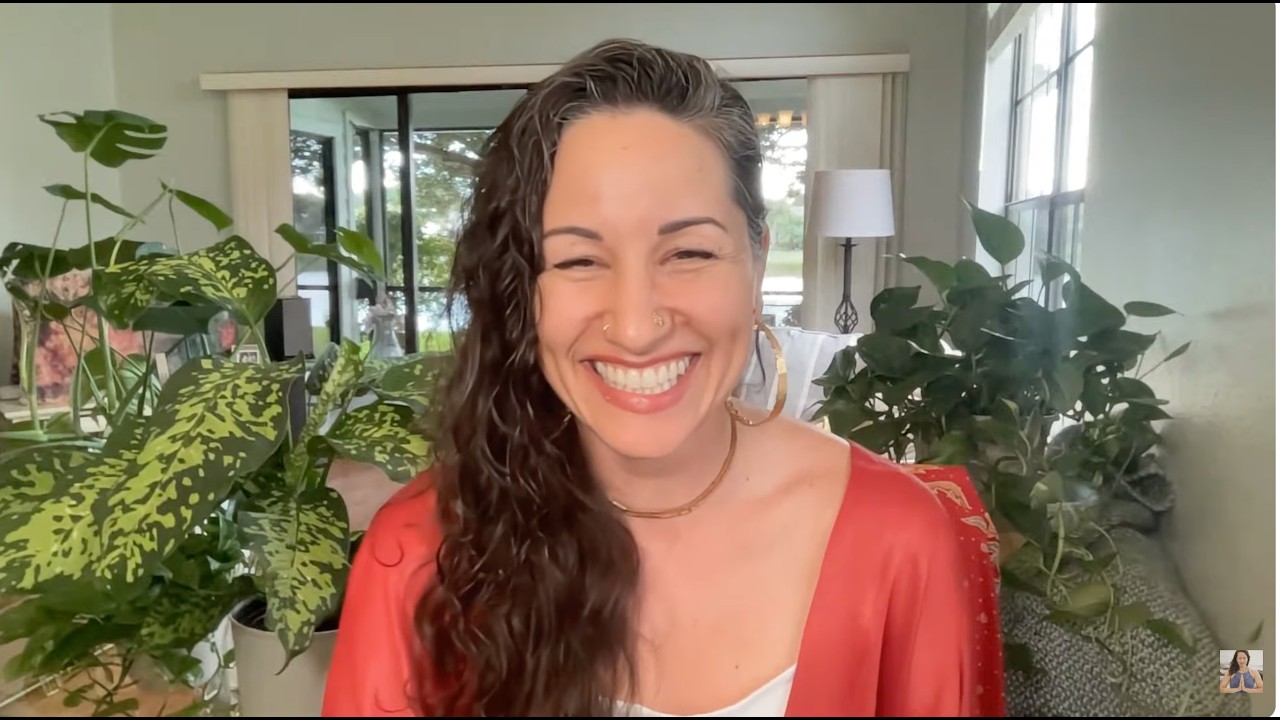
Shanin Blake's "Self Love" frames self-prioritization as a foundational superpower—not selfish indulgence but a practice of emotional honesty, daily affirmation, and permission to feel fully. The song articulates self-love through concrete practices: making yourself your top priority, treating emotional struggles with compassion rather than judgment, and trusting that contrast and difficulty are temporary phases that build gratitude and resilience.
Why Self-Love Matters as a Foundational Practice
At the core of Blake's message is a simple reframing: self-love is not frivolous or self-centered—it's medicine. The opening statement, "self love yeah it's like a superpower," establishes self-love not as a luxury but as a capability that shapes how you move through the world. This mirrors harm-reduction thinking in emotional wellness: when you are aligned with yourself and prioritizing your own wellbeing, you have more capacity to show up authentically in all other areas of life.
Blake emphasizes, "Everything I do I do for me / don't you see I'm my top priority." This directness cuts through the cultural messaging that prioritizing yourself is selfish or unkind. Instead, she suggests that being your own top priority is the foundation from which all other relationships and commitments flow. "Nothing beats when I'm good with me / I own myself" underscores that self-ownership—knowing yourself well enough to trust your own judgment and care—precedes healthy interdependence.
What Does It Mean to Treat Self-Love as Medicine?
One of Blake's most practical metaphors is treating self-love as a vitamin or prescription. "Self love the best medicine I eat it up like it's my vitamin / if I get sick I prescribe a massage." This flips the usual approach to wellness: instead of waiting for burnout or crisis, self-love becomes preventative care. A massage, rest, permission to feel, or any restorative act is not an indulgence—it's a medical intervention.
This reframe is important for people who have internalized productivity culture or emotional suppression. If self-love is medicine, then taking care of yourself is not laziness—it's maintenance. The message removes the moral weight from self-care and grounds it in practical necessity.
Giving Yourself Permission to Feel
A central pillar of Blake's self-love practice is emotional permission: "It's okay to not be okay / it's okay to have a shitty day / I give myself permission to feel / let it out be real." This is perhaps the most liberatory moment in the song because it explicitly resists toxic positivity—the pressure to always be fine, always be optimistic, always be "good."
Blake's stance is that emotional honesty and emotional variety are not failures. Feeling bad, having a difficult day, or struggling does not mean you've failed at self-love. Self-love in this framework includes the capacity to sit with discomfort, to acknowledge it, and to let it move through you without trying to optimize or fix it immediately. This aligns with somatic and grief-conscious approaches to wellness that recognize suppressed emotion as a root cause of illness.
Daily Affirmation and Self-Awareness
Blake mentions, "I say my affirmations daily," which speaks to a practice-based approach to self-love. Affirmation—whether as journaling, spoken mantra, or internal repetition—is a tool for redirecting the mind away from self-criticism and toward self-acknowledgment. The repeated refrain "I love me" throughout the song functions as an affirmation itself, normalizing self-directed care language that many people find uncomfortable to speak aloud.
She also articulates affirmations about existence and self-acceptance: "I'm exactly how I'm supposed to be / perfect in my own way." This does not mean there is no room for growth or change—rather, it's a recognition that your current self is valid, worthy, and not broken. This distinction is crucial because it separates self-love from toxic self-improvement culture.
How Do You Navigate Contrast and Difficulty?
Blake adds a layer of wisdom about life's harder moments: "I figure out when life throws those lemons I just make mushroom tea / sometimes I get down / contrast is just waves / I promise it always get better / be grateful for the change." Here she acknowledges that self-love doesn't mean avoiding or denying hardship. Instead, it means having a practice or perspective that allows you to metabolize difficulty.
The specific mention of "mushroom tea" and "sometimes I get down" suggests an integration of unconventional wellness (psychedelic-informed or plant medicine) alongside straightforward acceptance that you will sometimes struggle. The metaphor of "contrast as waves" frames difficulty as cyclical and temporary, not permanent. This perspective—that contrast and ease alternate—can reduce the shame or despair that comes from mistaking a difficult phase for a permanent condition.
Importantly, Blake adds gratitude into this mix: "be grateful for the change." This is not about being grateful for pain itself, but about recognizing that the ability to move through contrast, to observe it, and to come out the other side builds resilience and deepens your sense of self. Gratitude becomes not denial but a tool for integration.
The Role of Freedom and Present-Moment Awareness
Blake sings, "I've been living in a day dream / I've been laughing just for fun / don't worry about what the future bring." This suggests that self-love also involves a degree of presence and freedom from future-focused anxiety. Rather than constantly planning, strategizing, or worrying about what comes next, she advocates for enjoyment and ease in the present moment.
"And I'm so glad to be me / yeah I'm so glad to be free" ties self-love to freedom—freedom from comparison, from others' expectations, from the pressure to become someone else. This freedom is both internal (freedom of thought and emotional life) and external (freedom to make choices aligned with your values).
Where to Go From Here
The practice of self-love Blake outlines is concrete and accessible: begin with a daily affirmation, even a simple "I love me"; give yourself explicit permission to feel difficult emotions without judgment; treat rest and care as medicine rather than indulgence; practice presence and enjoyment in simple moments; and trust that life's contrasts and challenges are waves, not drowning. The song is a reminder that self-love is not a destination but a daily practice, and that saying "I do everything for me" is not selfish—it's the foundation from which your most authentic and generous self emerges.