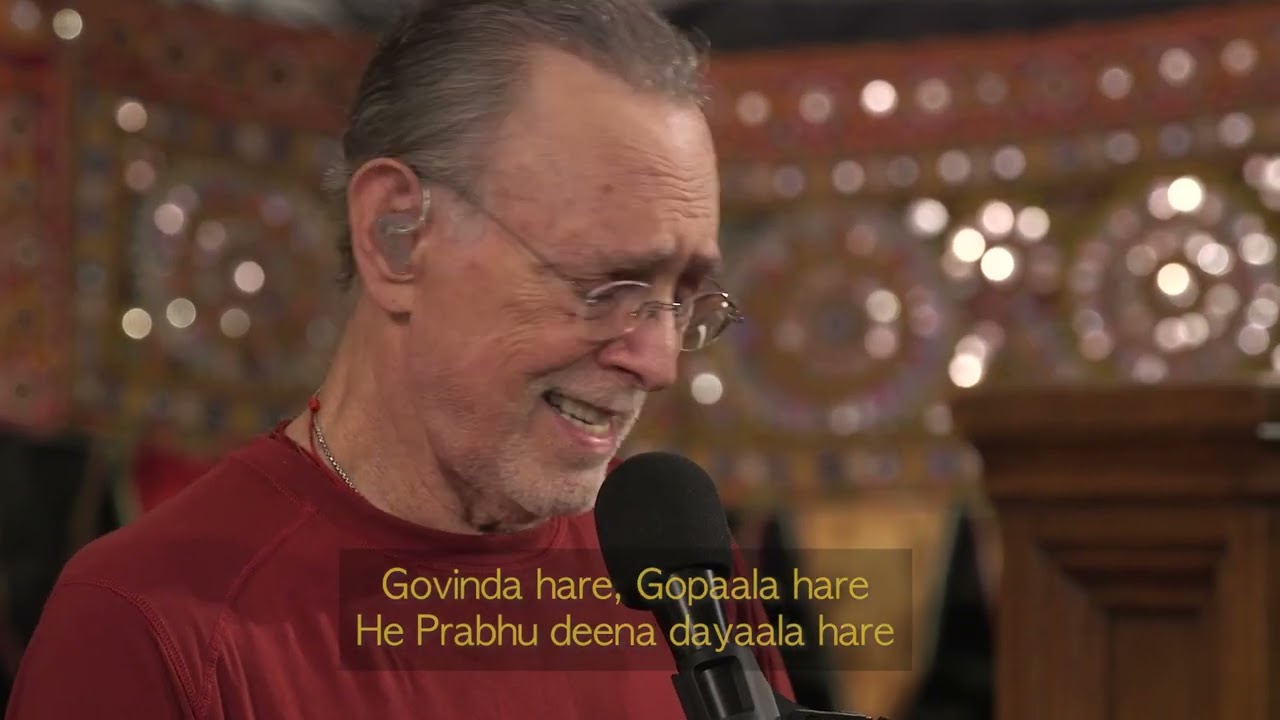
Krishna Das invites us to explore the profound act of chanting as a means of reconnecting with our true selves. When he states, "To chant is to remember who you really are," he emphasizes that this practice transcends mere vocalization; it is a pathway to self-awareness and spiritual awakening. In a world often filled with distractions and superficial identities, this reminder is crucial. It beckons us to delve deeper into our essence, urging us to peel away the layers of societal conditioning and reconnect with our authentic selves.
This notion of remembrance is not merely about recalling facts or experiences; it is about rediscovering the core of our being. Chanting serves as a bridge between the mundane and the sacred, allowing us to access a deeper understanding of our identity. In the act of vocalizing sacred sounds, we engage in a transformative process that can lead to profound insights and a renewed sense of purpose. This exploration of identity through chanting is not just a personal journey; it resonates with the collective human experience, inviting us to seek connection and unity with all beings.
The image / the metaphor
At its core, the quote evokes a vivid image of chanting as a vehicle for remembrance. The verb "chant" suggests an active engagement, a rhythmic invocation that stirs the soul. It implies a deliberate act of calling forth something that may have been forgotten or obscured. The word "remember" carries a dual meaning: it signifies both the act of recalling and the notion of re-membering, or piecing together the fragmented aspects of our identity. This imagery invites us to visualize chanting as a sacred practice that harmonizes our inner and outer worlds, creating a sense of wholeness.
In the speaker's tradition
Krishna Das's teachings are deeply rooted in the bhakti tradition, which emphasizes devotion and love for the divine. In this context, chanting is not merely an artistic expression; it is a spiritual practice that fosters a deep connection with the divine presence within and around us. Concepts such as bhakti, or devotion, and dharma, or righteous living, are integral to this tradition. Through chanting, practitioners cultivate a sense of surrender and openness, allowing the divine to flow through them and illuminate their true nature.
In the Bhagavad Gita, a foundational text of the bhakti tradition, Lord Krishna speaks of the importance of devotion and remembrance. He encourages Arjuna to remember his true self and his duty, reminding him that surrendering to the divine will leads to liberation. This theme of remembrance is echoed in many bhakti texts, where the act of chanting serves as a means of aligning oneself with divine will and purpose. By engaging in this practice, we not only remember who we are but also recognize our interconnectedness with the universe and the divine.
Living the teaching
Consider a modern scenario where the teaching of chanting as a means of remembrance can be applied. Imagine a busy professional, overwhelmed by the demands of work and life, feeling disconnected from their true self. In moments of stress, they might turn to chanting as a refuge, using the rhythmic sounds to ground themselves and reconnect with their inner essence. This practice can serve as a reminder of their values, passions, and the deeper purpose that often gets lost in the chaos of daily life. Through this simple yet profound act, they begin to remember who they are beyond their job title or societal roles.
In a different context, think about a relationship that has become strained due to misunderstandings and unspoken grievances. One partner might introduce chanting into their shared space, inviting the other to join in this practice as a way to foster connection and healing. As they chant together, they create a sacred atmosphere that encourages vulnerability and openness. This shared experience of remembrance allows them to transcend their differences, reminding them of the love and commitment that initially brought them together. In this way, chanting becomes a tool for reconciliation, helping them to remember not only their individual identities but also their shared journey.
A reflection
As we contemplate Krishna Das's words, we are invited to explore the depths of our own identities through the practice of chanting. What aspects of yourself have you forgotten or neglected in the hustle of daily life? How might the act of chanting serve as a reminder of your true essence, guiding you back to a place of authenticity and connection? In this moment of reflection, consider how you can incorporate this practice into your life, allowing it to illuminate the path to self-discovery and remembrance.