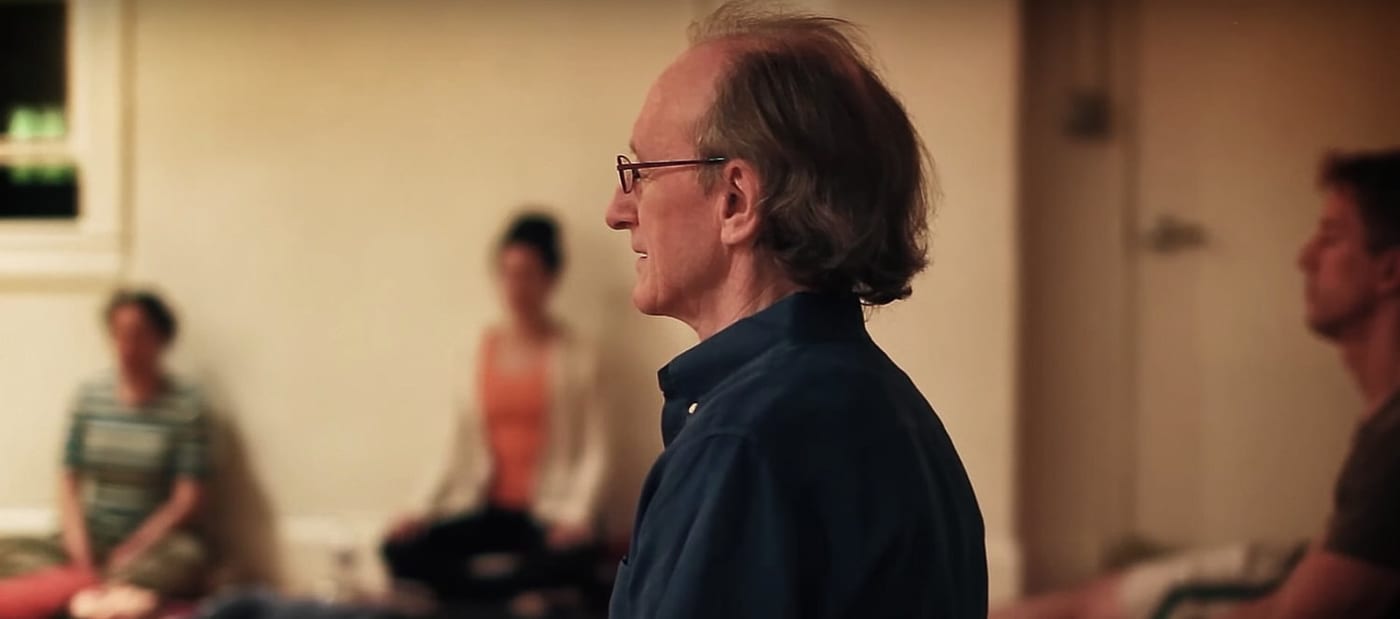

Where to Start with Hugh Byrne: A Beginner's Guide
Hugh Byrne, PhD, teaches mindfulness and compassion as tools for personal and social change. Before he was a meditation teacher, he spent more than twenty years working for human rights in Latin America and Africa and for U.S. policies supporting equality and development. That history shapes everything he teaches. One caveat: the information available lists no albums or books, so this guide points you to the places he teaches rather than to specific titled works.
The Best Entry Point
Start with his teaching at the Insight Meditation Community of Greater Washington (IMCW), where he is a lead teacher. This is his home base, and the setting where his approach is clearest: a guided sit followed by a talk, in the Insight (Vipassana) tradition. Attend a session, in person or online if IMCW offers it, rather than sampling him secondhand. Choose a general-audience session over a retreat or specialized program. The aim is to hear how he moves between formal practice and ordinary life.
The Next Three Places to Go
1. His teaching on loving-kindness and compassion. Once you've heard him teach basic mindfulness, look for sessions centered on loving-kindness. His background makes this the heart of his work: he describes how an "us" versus "them" mindset left him stressed and isolated, and these practices are the counterweight.
2. A retreat or workshop with him. He has taught at Kripalu, Omega, and Insight Meditation Society. A longer format shows what a few sessions can't: how his teaching deepens when you have days rather than an hour. Start with a weekend or shorter program if one is offered.
3. His work on mindfulness and social change. He has helped organize community efforts that bring mindfulness into civic life in Washington, DC. If you're an activist, organizer, or public servant, this is where his two careers meet most directly.
What to Expect on a First Encounter
Expect a grounded, unhurried teacher, not a guru. The language is plain, the instruction practical, and the tone invites rather than pushes. You'll likely be guided through attention to breath and body, then offered reflections on working with difficult emotions, and on how to care about the world without burning out.
He has over thirty years of practice and twenty-plus years of teaching, in both Buddhist and secular settings, so the material works whether or not you identify as Buddhist. He has also taught for corporations, government agencies, and nonprofits, which means he's practiced at translating the teachings for skeptics.
Expect to sit with discomfort, too. His teaching doesn't promise calm on demand.
Common Beginner Misunderstandings
"This is stress relief, nothing more." Relaxation may come, but his emphasis is on seeing clearly and responding wisely, including to injustice and suffering.
"Mindfulness means detachment from the world." His own story contradicts this. He didn't leave activism; he changed how he does it, loosening his grip on outcomes and dropping the enemy framing. Caring and equanimity are meant to coexist.
"Compassion is soft." Loving-kindness practice can be demanding. Extending goodwill to difficult people, or to yourself, often surfaces resistance first.
"I'll do it right once I'm calm." Many beginners wait for a quiet mind. The practice is working with the mind you have.
When This Work Lands Hardest
His teaching tends to resonate most in a few situations:
- Burnout in helping work. If you're an advocate, caregiver, organizer, or nonprofit worker, his story will feel familiar.
- Polarization fatigue. If your sense of "us" and "them" is wearing on you, his critique of that framing is directly relevant.
- Habit change. Among the topics he's known for, this suits people trying to interrupt patterns through awareness rather than willpower alone.
- Career or life transitions, when old ways of striving have stopped working.
A One-Week Starter Plan
Day 1: Attend or watch an IMCW session with Hugh. Don't evaluate it; just notice what stays with you.
Days 2-3: Practice 10 minutes daily of the basic breath-and-body attention he guides. Note when your mind wanders and how you react to that.
Day 4: Spend your 10 minutes on loving-kindness. Begin with someone easy, then yourself. Notice any resistance without fighting it.
Day 5: Bring one difficult relationship or news topic into your practice. Ask where you're locked into "us versus them."
Day 6: Sit 15-20 minutes. Afterward, write three sentences on what's changed in how you meet stress.
Day 7: Review your notes and decide the next step: another IMCW session, a loving-kindness-focused talk, or a retreat. If it's a retreat, pick a short one.
The plan is modest on purpose. His teaching rewards consistency over intensity, and a week of honest, regular practice will tell you whether to go deeper.