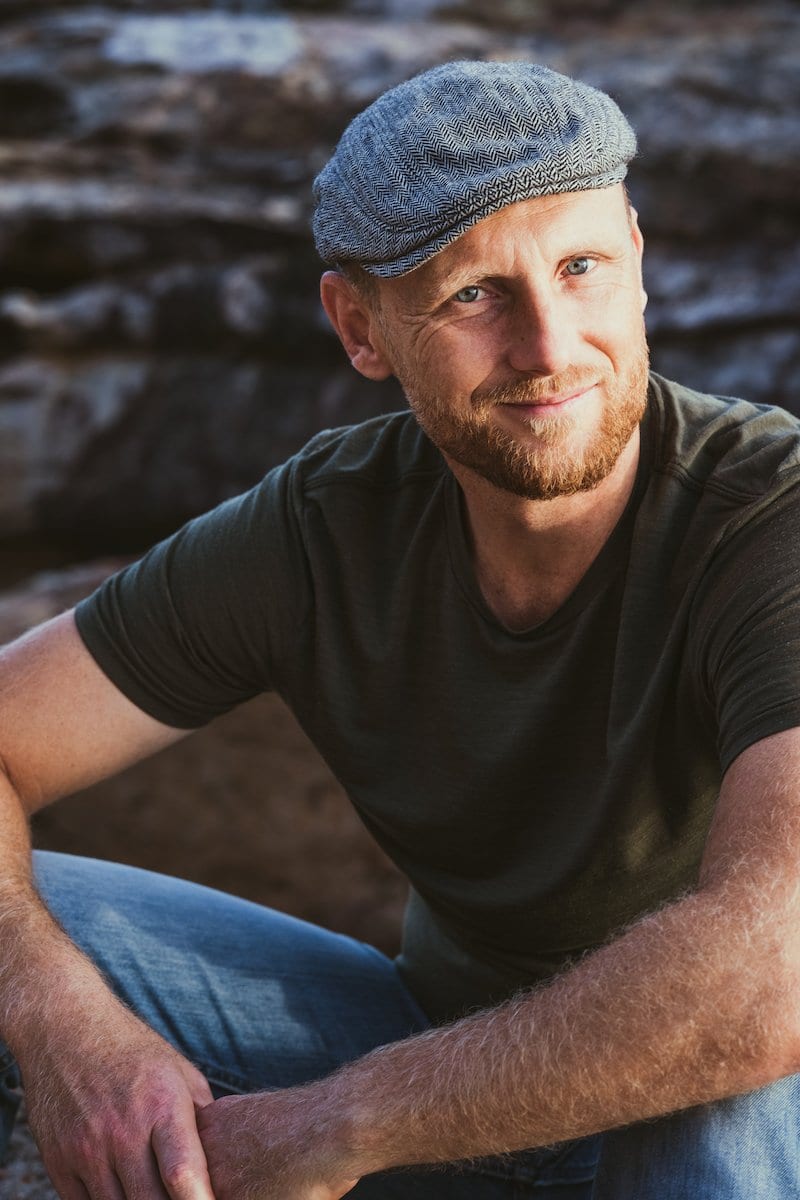

Start with his guided meditations on YouTube. They have been streamed almost 5 million times, and they are the clearest expression of his teaching. I don't have verified episode titles, so I won't invent one. Open his channel, sort the videos by Popular, and play the top guided meditation all the way through. The most-streamed sessions are the ones the most people have found useful, and that makes them a safer first pick than anything chosen for novelty. Pick one that fits your situation, such as a general mindfulness session for focus or a sleep-oriented one if rest is your problem, and do it with headphones in a place where you won't be interrupted.
His channel's own description. Read the About section next. It states his background plainly: more than 15 years of practice, training in several mindfulness traditions, and experience leading retreats and workshops. Knowing where he is coming from makes the sessions easier to trust, especially if you are skeptical of meditation.
A second guided meditation with a different purpose. His teaching covers quieting the mind, clarity and focus, and connecting with inner wisdom. If your first session was about settling down, make the second one about clarity, or the reverse. Two sessions with different aims show you the range of his approach better than five similar ones.
One-on-one mentoring. This is the deepest layer of his work, and the guided meditations are meant to carry the same spirit. He works with people who want clarity about their path, who are dealing with health challenges, or who feel stuck. It is a commitment, so treat it as a later step, once the free material has shown you whether his style suits you.
Expect a teacher with a scientific and academic grounding, not a mystical one. He spent over a decade in academic positions at universities in Europe and Australia, and he holds a PhD and a Master's degree. His framing leans on evidence and contemplative wisdom traditions together. The themes are mindfulness, acceptance, and awareness in everyday life. So the sessions should feel like practical training in noticing what is happening, not like a performance of calm. Expect to finish a session a little more settled, not transformed.
Thinking the goal is an empty mind. His stated aim includes quieting the mind, but his emphasis on acceptance and awareness means that noticing a busy mind is part of the practice, not a failure of it.
Treating it as a one-session fix. Over 15 years of practice sits behind this teaching. A single session can help, but the value comes from repetition.
Assuming it is only for spiritual people. His mentoring is aimed at scientists, academics, and other rational minds. If you distrust anything that sounds soft, that is the audience he is addressing.
Treating it as medical treatment. He works with people navigating health challenges, but meditation is a complement to professional care, not a replacement for it.
It tends to land hardest when you are stuck: at a career or life crossroads, in a stretch of overthinking where analysis has stopped producing answers, or in a period of health difficulty when your mind won't stop running. It also suits people whose work is cognitively demanding, such as researchers and academics, and who find that more thinking no longer helps. If sleep is poor because your mind won't switch off, that is another good moment to begin.
Day 1: Play the most popular guided meditation on his channel, start to finish. Afterward, write two sentences on how you feel.
Day 2: Repeat the same session. Repetition shows you what changes when the content stays the same.
Day 3: Read the channel's About section, then do a second session with a different purpose, such as focus if you started with calming.
Day 4: Return to your first session. Notice whether it feels different from Day 1.
Day 5: Choose a sleep-oriented session and use it in the evening, in bed or just before.
Day 6: Skip the video. Sit quietly for five minutes and apply the same attention to your breath and surroundings. This is the everyday-life awareness he emphasizes.
Day 7: Review your notes. Decide which session helped most, and whether you want to keep a daily practice or look into one-on-one mentoring.
Keep sessions at the same time each day if you can. Consistency matters more than which video you pick.