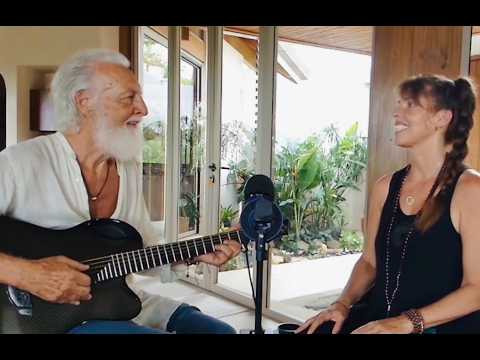
In September 2022, Martha Mwaipaja released the official music video for "ADUI"—a composition built almost entirely on the interplay of voice, rhythm, and space. Four years later, the video has accumulated nearly 13 million views, a quiet testament to the power of hypnotic vocal production in an era of algorithmic noise.
What Draws Listeners to Minimalism?
The "ADUI" video operates on economy of means. The transcript reveals a sparse lyrical landscape: "village," "women," "I do it," "I leave," "singing myself," "I know," "everything." These fragments appear amid stretches of musical space—moments the transcript marks simply as "[Music]"—creating a compositional texture that rewards deep listening rather than demanding immediate comprehension.
This approach suggests something worth considering about contemporary music consumption. In a landscape flooded with production complexity, lyrics layered with commercial messaging, and hooks engineered for maximum catchiness, "ADUI" achieves scale through restraint. The song asks something different of its listener: presence, rather than passive reception.
The Architecture of Repetition and Release
The visible structure of the video follows a journey through building intensity and release. Key moments mark a progression: at 17 seconds, "the combination sounds" introduces the core vocal texture. By 33 seconds, the word "village" anchors the piece in place. At 43 seconds, "women" appears—grounding the composition further. The sequence suggests less a narrative progression than a deepening focus, like a camera zooming slowly into a landscape until individual details become the entire frame.
The 271-second mark brings "thank you," followed by applause—a moment of completion that acknowledges both the listener and, perhaps, the collaborative energy required to hold such sustained attention. This acknowledgment appears near the video's end, suggesting that gratitude is the natural response to an audience that has stayed present rather than scrolled past.
Music as Presence Practice
What the "ADUI" video demonstrates, through its sheer reach and duration, is that audiences exist for music that operates on principles closer to meditation than entertainment. The composition doesn't compete for attention; it invites it. The sparse lyrical content requires the listener to fill space with their own meaning, their own experience of the words "village," "women," "I do it," "everything"—categories and actions universal enough to hold many interpretations simultaneously.
The view count—12,879,997—is not incidental. It represents an audience that has chosen, millions of times over, to spend six minutes and twenty seconds in focused listening to a piece that offers no external validation for that attention, no reward beyond the experience of presence itself. In that choice lies the real subject of the video: not Martha Mwaipaja's artistry alone, but the collective recognition that such artistry answers something real in the listener.
Where to go from here
For anyone drawn to music that operates as a gateway to deeper listening, "ADUI" offers an entry point. The video itself—available on Martha Mwaipaja's official channel—can be approached as both completed artwork and beginning: a six-minute invitation to notice what happens when you give undivided attention to voice, rhythm, and the spaces between them. The accumulated views suggest that millions have accepted that invitation. Their presence, alone, is the story worth telling.