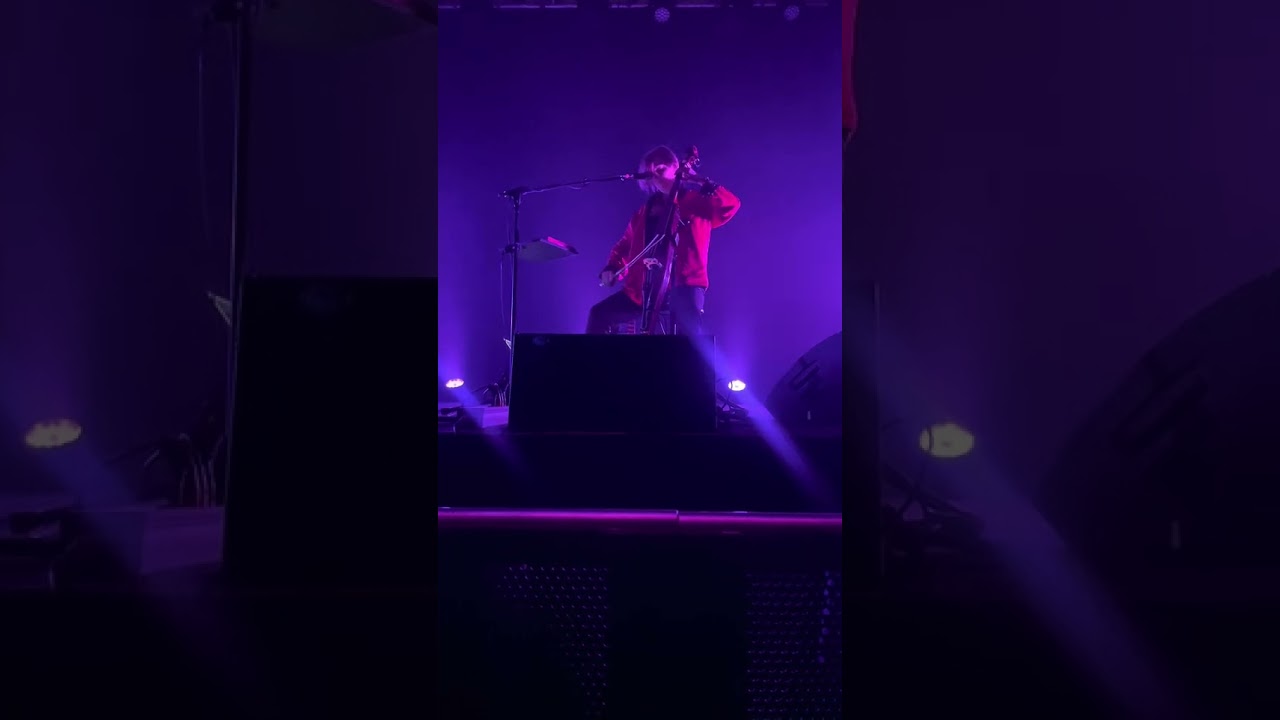
Shannon Hayden performs her single "After All" at Stanford's Center for Computer Research in Music and Acoustics (CCRMA), offering a live rendering of her compositional work in one of North America's premier digital music research and performance spaces. The performance captures the intersection of artistic expression and technical musical innovation.
What Is "After All" and When Did It Release?
"After All" is a single by Shannon Hayden, now available across all major streaming platforms. The performance at Stanford CCRMA represents a live interpretation of the recorded work, presented at one of the most significant venues for contemporary and computer-assisted music composition in North America. The piece itself marks a moment in Hayden's artistic development, bringing her compositional voice to a space dedicated to the research and performance of innovative music.
Why Perform at Stanford CCRMA?
Stanford's Center for Computer Research in Music and Acoustics stands as a nexus for artists, composers, and researchers exploring the frontiers of sound design, digital music, and acoustic innovation. CCRMA has historically hosted performances that showcase how contemporary composition intersects with technology, live performance, and audience experience. By choosing to perform "After All" at this venue, Hayden positions her work within a lineage of experimental and forward-thinking musical practice. The acoustic and technical infrastructure of CCRMA allows artists to explore sonic possibilities that extend beyond traditional concert hall settings.
How Does Live Performance Differ from Recording?
A live performance of a single offers listeners an experience distinct from the studio recording. The spatial acoustics of the venue, the immediacy of the moment, and the potential for subtle variations in interpretation all shape the listener's encounter with the work. At a research institution like CCRMA, this live rendering takes on additional resonance—the audience is often composed of other musicians, researchers, and technically informed listeners who engage with the performance through multiple lenses: emotional response, sonic design, technical execution, and compositional intention. The live setting also creates an archive of a specific moment in the artist's practice, capturing how the work functions in real time and in community.
What Role Does the Venue Play in Musical Meaning?
CCRMA is not a neutral space—it carries institutional weight and a specific history tied to innovation in music and technology. Performances at venues of this caliber often signal professional recognition and participation in a broader conversation about where contemporary music is heading. The Center attracts artists, students, and researchers who are actively engaged in pushing the boundaries of what music can be, how it can be created, and how audiences can engage with it. This context shapes how the performance is received and understood, positioning "After All" not just as a song, but as a contribution to an ongoing dialogue about artistic practice.
Where to Go From Here
Listeners interested in exploring Shannon Hayden's work further can find "After All" on all major streaming platforms. The Stanford CCRMA performance offers a window into how contemporary artists develop and present their work in research-focused environments. For those curious about the intersection of music composition, live performance, and technical innovation, CCRMA's archive of performances and artist residencies provides ongoing documentation of how these conversations unfold. Supporting artists who engage in live performance—whether in traditional venues or research institutions—helps sustain the ecosystem that allows music to evolve and deepen.