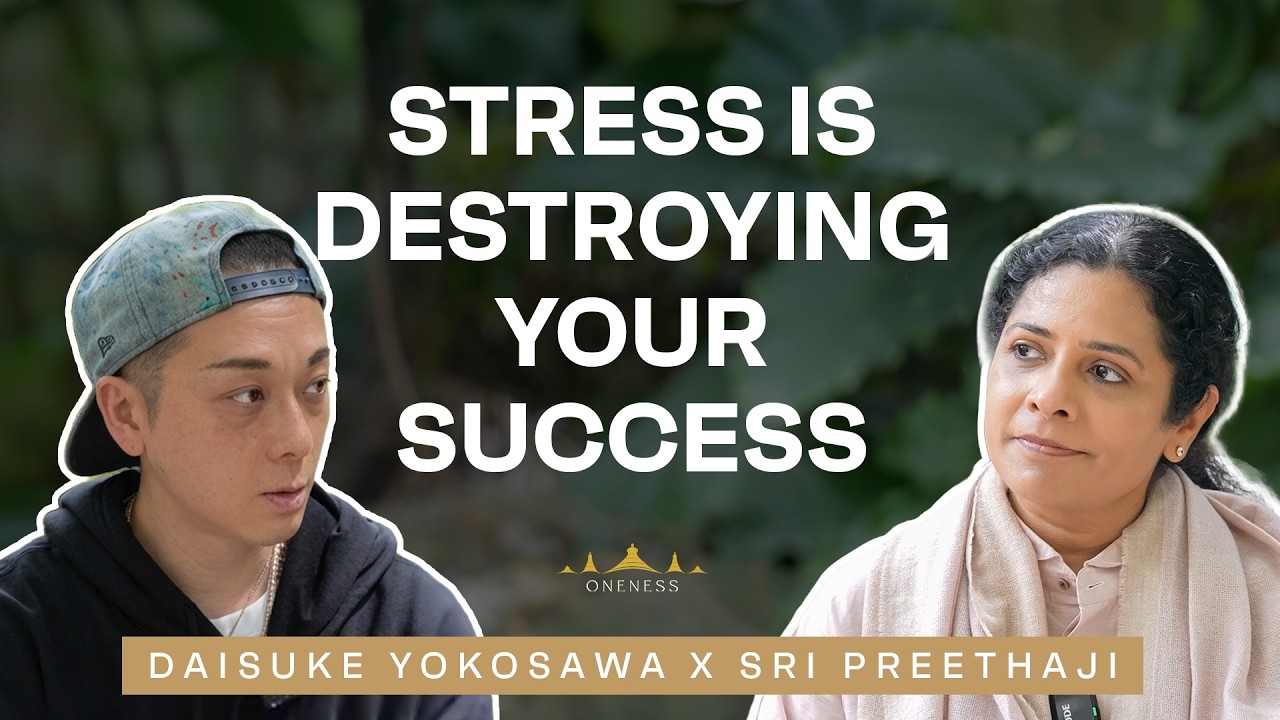
True success is not measured solely by reaching an external destination, but by the quality of being—the inner state and consciousness—you embody throughout the journey itself. The distinction between ambition (driven by ego and external validation) and passion (aligned with your deeper nature) fundamentally shapes whether achievement brings lasting fulfillment or merely perpetuates a cycle of striving.
What is the difference between ambition and passion?
In contemporary culture, ambition and passion are often conflated as synonymous forces that propel people toward success. However, they operate from distinctly different inner mechanisms. Ambition typically originates from the mind's desire for external markers—wealth, status, recognition, power. It is goal-oriented in a way that treats the present moment as merely a stepping stone to a future state of arrival. The ambitious person is often running toward something, driven by a sense of lack or inadequacy that believes fulfillment lies ahead.
Passion, by contrast, emerges from genuine resonance with an activity or calling itself. When you are passionate, the doing is inherently rewarding; the external outcome becomes secondary to the quality of engagement. Passion is not about the destination—it's about finding the process intrinsically meaningful. This distinction matters profoundly because ambition without passion often leads to achievement that feels hollow, while passion without ambition often finds its own natural expression and impact.
Why does the journey matter more than the destination?
Success frameworks often focus exclusively on goals: climb the ladder, reach the top, achieve the milestone. Yet this framing obscures a crucial truth: you spend nearly all your time in the journey, not at the destination. When you finally reach your goal, you are there for a moment before setting another one. The vast majority of your life is lived in the striving, the working, the becoming.
This is why the state of being you cultivate during the journey becomes more important than the external attainment itself. If you pursue success through stress, anxiety, self-judgment, and constant comparison, you are essentially training your nervous system and consciousness to remain in those states. Even when you reach your goal, you arrive as a person shaped by those conditions—and often immediately feel unsatisfied because the fundamental inner restlessness hasn't been resolved.
Conversely, when the journey itself is characterized by presence, authenticity, learning, and alignment with your values, you are already succeeding at the level of consciousness. The external achievement becomes a natural byproduct rather than a desperate necessity. You arrive at your destination as a person at peace, which means the destination itself becomes genuinely enjoyable.
How does being affect achievement?
Your state of being—your consciousness, awareness, and inner quality—directly influences what you create and achieve in the world. This is not merely psychological; it reflects a fundamental principle that consciousness shapes reality. When you operate from a place of wholeness, presence, and authenticity, your actions carry a different frequency. You make clearer decisions, connect more genuinely with others, and solve problems with greater creativity and wisdom.
Conversely, when you operate from fragmentation, anxiety, and ego-driven striving, your accomplishments tend to carry the imprint of that state. You may achieve external success, but it often comes at the cost of relationships, health, or integrity. More subtly, you set in motion patterns that perpetuate the very feeling of lack you were trying to overcome.
This suggests a counterintuitive approach to success: rather than ruthlessly focusing only on external goals, invest equal or greater attention to the quality of consciousness you bring to your work. Ask yourself: Who am I becoming through this pursuit? What is my inner state during the process? Am I operating from wholeness or from a sense of inadequacy? These are not soft, optional questions—they directly determine the sustainability and satisfaction of your success.
What does it mean to succeed in the state of being?
Success in the state of being means you have cultivated an inner quality that does not depend on external outcomes. You may have goals and work toward them, but your sense of worth, peace, and fulfillment are not contingent on achieving them. This is not passivity—it's the paradoxical position from which genuine achievement flows most naturally.
When you are secure in your inner state, you take better risks. You are willing to fail because failure doesn't threaten your sense of self. You are more present during the work itself, which means you learn faster and notice opportunities others miss. You are less likely to compromise your values for a win, which builds long-term trust and reputation. You can collaborate more genuinely because you're not secretly measuring yourself against others or protecting a fragile ego.
This kind of success—where being precedes and shapes doing—often results in more sustainable achievement than pure ambition alone. The person rooted in their own sense of wholeness tends to build something that lasts, that resonates, that feels authentic to who they actually are rather than who they believed they needed to become.
How can you cultivate passion instead of remaining trapped in ambition?
The first step is honest self-inquiry: What are you actually pursuing, and why? If your primary driver is fear (fear of failure, fear of insignificance, fear of lack), you are likely operating from ambition rather than passion. If your primary driver is the genuine resonance with the work itself, you are closer to passion.
Next, experiment with slowing down and checking your inner state. While pursuing your goals, pause regularly and ask: How do I feel right now? Am I at peace, or am I anxious? Am I present, or am I mentally at the finish line? Am I aligned with my values, or compromising them? These micro-moments of awareness gradually rewire your relationship to success.
You can also intentionally reconnect with what first drew you to your path. Before ambition set in, before external validation became the measure, what genuinely fascinated or moved you about this work? Returning to that source—the original spark of passion—can help you recalibrate your direction and intensity.
Finally, recognize that cultivating inner wholeness is not separate from achievement; it is the foundation for sustainable, authentic achievement. Practices like meditation, reflection, authentic conversation, and rest are not luxuries you indulge after you've made it—they are essential infrastructure for the quality of being from which real success emerges.
Where to go from here
Begin by examining one significant goal or project in your life. Ask yourself honestly whether you're pursuing it primarily from ambition (external validation, fear, ego) or from passion (genuine resonance, alignment, love of the work itself). Then notice the quality of your inner state as you work toward it each day. Over time, gradually shift your attention toward cultivating being—the inner peace, presence, and authenticity—as the primary success metric. The external achievement will follow, but it will be marked by a fundamentally different character: more joyful, more sustainable, and more genuinely yours.