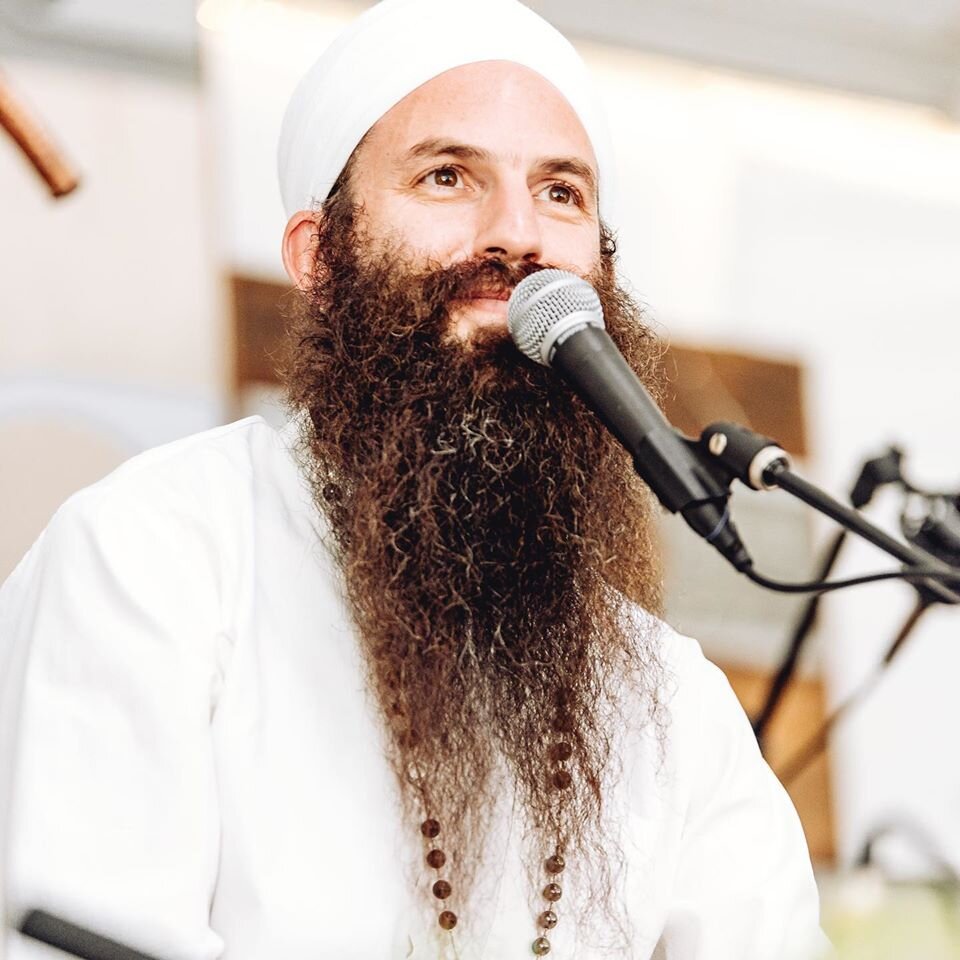
The Art of Living Retreat Center, opened in 2012 in North Carolina's Blue Ridge Mountains, offers immersive wellness experiences grounded in yoga, meditation, and Ayurveda. Operating under the Art of Living Foundation's 30+ year global commitment to health and happiness, the center provides signature breath work and meditation workshops, time-tested Ayurvedic cleanses, and access to America's top-ranked Ayurvedic spa. Guests can choose from curated retreat programs, guest presenter workshops, or customize their own R&R experience to align with their wellness goals.
The Art of Living Retreat Center represents the latest expansion of the Art of Living Foundation's decades-long dedication to integrating ancient wellness traditions with modern life. Nestled in the Blue Ridge Mountains of North Carolina, the center operates as a destination for those seeking structured wellness experiences rooted in proven practices. Since its 2012 opening, the facility has become known for combining authentic yoga philosophy, meditation instruction, and Ayurvedic medicine—all delivered in an immersive mountain environment designed to support deep personal work.
The center is not simply a spa or hotel; it functions as an educational retreat space where guests engage with trained instructors and practitioners across multiple disciplines. The mountain setting itself serves a practical function, removing guests from daily distractions and creating conditions where inner work can take hold.
Central to the Art of Living Retreat Center's offerings are signature workshops that focus on the transformative potential of conscious breathing and meditation practice. These programs draw on yoga's classical understanding of pranayama (breath work) as a direct tool for regulating the nervous system and accessing deeper mental clarity. Rather than treating breath and meditation as supplementary wellness tactics, the center positions them as primary technologies for reshaping one's relationship to stress, reactivity, and overall functioning.
The foundation's 30+ years of research and teaching have identified specific breath patterns and meditation techniques that produce measurable shifts in how practitioners experience their bodies and minds. Guests learn not just what to practice, but why these methods work—grounding their experience in both traditional wisdom and contemporary understanding of neurobiology and stress response.
Ayurveda—India's ancient medical system—forms the second pillar of the center's wellness model. The Art of Living Retreat Center houses Shankara Ayurveda Spa, ranked as America's leading Ayurvedic spa, which offers both diagnostic consultations and therapeutic treatments. Ayurvedic practitioners assess individual constitution (known as dosha—vata, pitta, or kapha) and recommend personalized protocols to restore balance.
The center offers time-tested cleanses and therapies that have been refined over thousands of years. These are not marketing concepts but actual protocols designed to support the body's natural detoxification processes, improve digestion, reduce inflammation, and enhance overall vitality. Common offerings include panchakarma (a comprehensive cleansing regimen), herbal treatments, oil therapies, and dietary recommendations calibrated to individual constitutional type and current imbalances.
By integrating Ayurvedic assessment with retreat programming, guests receive coherent guidance—breath work and meditation are prescribed alongside specific oils, herbs, and lifestyle adjustments that reinforce the same healing principles.
The center operates a flexible retreat model designed to meet different needs and time commitments. Signature retreats follow a structured curriculum focused on specific themes—such as intensive breath work, meditation deepening, or Ayurvedic cleansing. These programs are vetted offerings that teach proven methodologies in a concentrated format.
Guest presenter programs bring visiting teachers and experts into the center, expanding the scope of offerings beyond the resident faculty. These might include specialized yoga instruction, dharma teachings, or Ayurvedic education from recognized authorities in those fields.
R&R Retreats offer a more open-ended option, allowing guests to design their own experience. Participants choose from available classes, treatments, and services and structure their days according to personal preference and rhythm. This model suits those seeking guided wellness support without a rigid itinerary.
The center's full retreat calendar is available online, with programs ranging from weekend intensive to week-long immersions, allowing guests to select based on their availability and depth of engagement desired.
The Blue Ridge Mountains location is not incidental to the Art of Living Retreat Center's design. High-altitude mountain environments have been used for centuries in contemplative traditions to facilitate introspection and psychological work. The natural beauty, reduced artificial stimulation, and elevation create conditions where the nervous system naturally relaxes into a different mode of functioning.
The physical isolation from urban noise and digital distraction removes what contemporary neuroscience calls "cognitive load"—the constant background processing required in busy environments. This mental bandwidth becomes available for deepening meditation practice, integrating breath work, and receiving Ayurvedic guidance. The mountains also support the center's emphasis on natural rhythms, from seasonal programming adjustments to the daily practice of following sunrise and sunset cycles.
The Art of Living Retreat Center explicitly grounds its offerings in "authentic traditions of yoga and Ayurveda," distinguishing itself from wellness centers that cherry-pick practices without understanding their philosophical or energetic foundations. Authenticity here means several things: the practices taught reflect actual yoga philosophy and training lineages (not modern fitness rebranding of yoga), Ayurvedic protocols are administered by trained practitioners using classical diagnostic methods, and the overall framework respects the integrative nature of these systems rather than fragmenting them into isolated modalities.
This matters because yoga and Ayurveda were developed as comprehensive systems addressing body, mind, and energetic functioning. When isolated and decontextualized, they lose their synergistic power. The Art of Living Retreat Center's commitment to authenticity means that a guest's breathing practice, meditation instruction, dietary recommendations, and spa treatments all reinforce and communicate the same underlying principles of balance, cleansing, and harmonization.
The center offers cleanses and therapies described as "time tested" and "practiced for thousands of years," emphasizing that these are not experimental or trend-based protocols. In Ayurvedic medicine, the ability to process and eliminate toxins—both physical (through digestion) and mental (through meditation)—is foundational to health. Many modern wellness problems stem from accumulated toxicity at multiple levels: undigested foods, environmental exposures, emotional patterns, and mental habits.
Ayurvedic cleansing therapies work by stimulating the body's own elimination channels, improving digestive fire (agni), and supporting the lymphatic system. When combined with meditation and breath work, which regulate the nervous system and mental clarity, these physical therapies become part of a holistic reset. Guests often report improved energy, digestion, mental clarity, and emotional resilience following these programs.
Shankara Ayurveda Spa operates as an integrated clinical and therapeutic facility within the retreat center. Rather than being a luxury amenity, the spa functions as a treatment center where Ayurvedic practitioners deliver specialized therapies. These might include abhyanga (full-body oil massage), shirodhara (medicated oil poured on the forehead), nasya (nasal oil treatment), or other specialized procedures designed to rebalance specific constitutional imbalances.
The "America's #1" ranking reflects both the quality of practitioners and the authenticity of protocols. Guests receive individualized assessment rather than standardized spa treatments, ensuring that each therapy directly addresses their specific health goals and constitutional type.
While the center attracts diverse participants, it particularly serves those seeking: stress reduction and nervous system healing, support for meditation or yoga practice, Ayurvedic health optimization, detoxification and cleansing, and integration of ancient wellness traditions into modern life. People often come to the center after reaching a wellness plateau with conventional approaches, or seeking to deepen existing yoga and meditation practice.
The flexible retreat model means someone might attend for a single weekend or invest a full week, allowing accessibility across different life circumstances and commitment levels.
Those interested in exploring the Art of Living Retreat Center can begin by reviewing the full retreat calendar on their website. For newcomers to yoga and Ayurveda, introductory signature retreats provide structured entry points. Those with existing practice can use the guest presenter programs and advanced retreats to deepen understanding. The center also maintains active social media channels (Twitter and Facebook) for real-time updates on programs and special offerings.
The foundation offers additional resources through its main website and Art of Living retreat center blog, which educates on yoga principles, Ayurvedic concepts, and integration of these practices into daily life. For those unable to attend in-person retreats, these digital resources provide a starting point for understanding the philosophical and practical frameworks that guide the center's work.
The Art of Living Retreat Center's model demonstrates that authentic wellness is not about adding more luxury or convenience to life, but rather about removing obstacles, re-establishing connection with natural rhythms, and learning proven practices for mental and physical balance. The combination of breath work, meditation, and Ayurvedic medicine—delivered in a mountain environment designed to support introspection—creates conditions for substantial shifts in how participants experience health and their own capacity for wellbeing.


