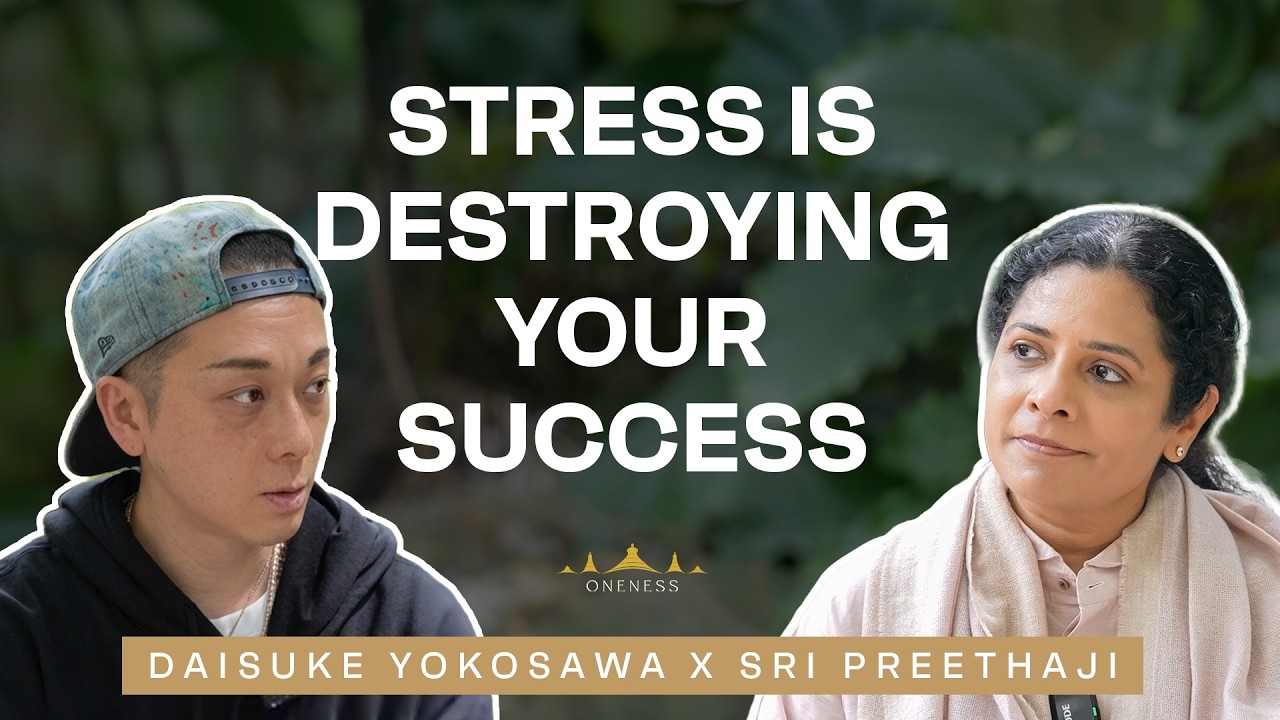
A common spiritual misconception frames desire as an obstacle to enlightenment—something to be suppressed or transcended. But Sri Preethaji and Sri Krishnaji of the Oneness Movement explore a more nuanced reality: desire itself is not the problem. Rather, the inner state from which desire arises determines whether it leads to suffering or fulfillment. True spirituality doesn't demand the elimination of desire, but a fundamental shift in how you relate to wanting, seeking, and becoming.
Is Desire a Block to Spiritual Progress?
Many spiritual traditions teach that desire is the root of suffering—that enlightenment requires renouncing wants entirely. This framework creates an internal conflict: to be truly spiritual, you must suppress your natural inclination to seek, grow, and achieve. The result is often guilt, self-judgment, or a sense that your ordinary human longings make you "unspiritual."
But the Oneness Movement perspective inverts this problem. The question isn't whether you desire—it's from what state you desire. Two people can pursue the same goal—say, professional success or a loving relationship—from entirely different inner landscapes. One might grasp from scarcity, self-doubt, or the belief that their worth depends on the outcome. Another might move toward the same goal from a place of wholeness, clarity, and self-acceptance. The desire is identical; the consciousness is not.
This distinction dissolves the spiritual-versus-worldly dichotomy. You don't have to choose between ambition and peace. Instead, spirituality becomes about purifying your inner state so that your desires flow from a place of abundance rather than lack.
What Role Does Inner State Play in Fulfillment?
The central insight offered in this teaching is that fulfillment is not primarily about what you achieve, but about who you are when you pursue it. This reverses the typical goal-oriented mindset. Most people assume that if they reach their objective—get the promotion, find the partner, earn the wealth—they will then feel complete. They delay their sense of okayness until conditions change.
The Oneness approach suggests this is backwards. If you are fragmented, anxious, or operating from a belief in your own inadequacy, you will carry those same patterns even after achievement. The promotion won't heal the underlying insecurity. The relationship won't fill the void created by self-rejection. The wealth won't grant you peace if you were already at war with yourself.
Conversely, when you cultivate an inner state of presence, self-acceptance, and wholeness—what some call grace or awakening—your relationship to desire shifts. You no longer grasp. You no longer demand. You move toward what matters from a place of sufficiency. Paradoxically, this often leads to more effective action, because you're no longer sabotaging yourself with doubt and desperation. You're also more resilient when outcomes don't match expectations, because your sense of self isn't tied to external results.
Can Peace and Aspiration Coexist?
The teaching raises a critical question: must you choose between contentment and growth? Between being satisfied and continuing to reach? Traditional spirituality sometimes implied yes—that peace required detachment from ambition. But lived experience suggests otherwise. Many awake, peaceful people continue to create, serve, and evolve. They hold both acceptance and aspiration simultaneously.
This becomes possible when you understand that peace is not a destination you earn through achievement—it's a quality of consciousness available now. You can be at peace and actively pursuing meaningful goals. You can accept what is and work toward what could be. These aren't contradictory; they're complementary movements.
In fact, desires pursued from a state of inner peace tend to be wiser and more aligned. They're less likely to be compensatory (trying to fill a void), reactive (rebelling against others' expectations), or delusional (chasing what you think will fix you). They emerge from clarity about what actually matters to you, not from desperation or conditioning.
How Do You Transform Your Relationship to Desire?
The shift isn't about willpower or suppression. It's about awareness and inner work. Several practices support this transformation:
- Observe the origin of desire. Before pursuing a goal, pause and notice the inner state from which it arises. Are you running toward something because it genuinely calls to you, or running away from something you're avoiding? Are you chasing it to prove something, or to express something true about yourself?
- Cultivate self-acceptance first. Much desire originates from self-rejection—the belief that you're not enough as you are. Spiritual work often begins by developing compassion and acceptance for yourself exactly as you are now. This doesn't prevent growth; it anchors it in wholeness rather than fragmentation.
- Distinguish between wants and needs. Not all desires carry equal weight. Some are authentic expressions of your nature; others are conditioned impulses or wounds seeking healing. Spiritual maturity involves discernment about which desires align with your deeper integrity.
- Release attachment to outcomes. You can work toward a goal with full commitment and energy while simultaneously releasing your grip on whether it happens. This sounds paradoxical but is the heart of engaged spirituality. You do your part; you let go of the result.
Why Does Spirituality Not Require Renunciation of Desire?
The Oneness Movement teaching challenges the renunciate ideal—the assumption that spiritual maturity means withdrawing from worldly engagement. Instead, spirituality is portrayed as a transformation of consciousness that allows you to participate fully in life without being enslaved by it.
This reflects a both/and rather than either/or worldview. You can be a householder, a parent, a professional with ambitions, someone who cares about beauty and comfort and achievement—and also be spiritually awake. The question is not what you do, but the quality of consciousness with which you do it. Are you present? Are you aligned? Are you operating from wholeness or from fragmentation?
Many contemporary spiritual teachers share this view: that the path is not about becoming a ghost or renouncing the world, but about meeting life from an awakened place. You still have preferences, goals, and desires. But you're no longer controlled by them. You're not seeking fulfillment through external achievement because you've found it internally. This paradoxically makes you more effective and more alive—not less.
What Is the Real Spiritual Work Around Desire?
If the goal isn't to eliminate desire, what is the spiritual work? It's three-fold:
First, wake up to your conditioning. Much of what you think you want is inherited—from your family, culture, advertising, or wounds. Spiritual practice involves becoming conscious of these patterns so you can distinguish between imposed wants and authentic desires.
Second, develop your capacity to hold both acceptance and aspiration. This requires emotional and spiritual maturity. It means you can be at peace even when things aren't perfect, while simultaneously working to improve them. You can love your life as it is and still reach for what calls you.
Third, align your actions with your deepest values. Desires that flow from your authentic self—from what you genuinely care about, not what you think you should want—tend to lead to fulfillment even if external outcomes vary. Alignment is often more important than achievement.
From this perspective, the spiritual path is not a retreat from desire but a maturation of it. You stop being a slave to unconscious wanting and become a conscious creator. You stop seeking fulfillment through achievement and find it through presence. You stop experiencing peace and ambition as opposites and learn to dance with both.
Where to Go From Here
If this exploration resonates, consider examining your own relationship to desire. Notice the goals you're pursuing and ask honestly: from what inner state am I moving toward this? Is it from wholeness or from a sense of lack? Would achieving this goal actually change my fundamental sense of okayness, or am I already ok?
Explore meditation or contemplative practice that cultivates self-awareness without judgment. The goal is not to suppress desire but to see it clearly—to understand its roots and its true nature. As you develop inner presence and acceptance, your desires will naturally clarify and refine. You'll find yourself wanting fewer things you don't actually need, and pursuing what matters with greater authenticity and power.
The spiritual promise isn't the elimination of desire, but its transformation. Peace and aspiration can flow together. Fulfillment can arise not from what you achieve, but from who you are as you pursue it.