EveryGetaway

Browse All Retreats

Find your transformative retreat

retreats

Yoga Retreats
Meditation Retreats
Wellness Retreats
Spiritual Retreats
Adventure Retreats
Creative Retreats
Couples Retreats
Detox & Cleanse
Fitness Retreats
Corporate Retreats
Popular Destinations
BaliSedonaLos AngelesCosta RicaNew YorkSan FranciscoAustinMiamiJoshua TreeTulum
View All CategoriesView All Destinations

Explore All Features

Powerful tools to grow your events

Platform Features

Smart Dynamic Pricing
Ticket Categories
Assigned Seating
Abandoned Cart Recovery
Visitor Recovery
Donations & Sliding Scale
Affiliate Engine
Ticket Scanner
Coupon Codes
Custom Questions
Ticket Sharing
Upsells & Add-ons
Analytics & Reporting
Email Sequences
Waitlist / Notify / Remind
People & Places
Retreat LeadersRetreat OrganizersRetreat CentersKnowledge BaseInspiration
View All FeaturesAbout Us
PricingBlog
Language
Saved events
Browse All Events

retreats

Yoga RetreatsMeditation RetreatsWellness RetreatsSpiritual RetreatsAdventure RetreatsCreative RetreatsCouples RetreatsDetox & Cleanse

Popular Destinations

BaliSedonaLos AngelesCosta RicaNew YorkSan Francisco

People & Places

Retreat LeadersRetreat OrganizersRetreat CentersKnowledge BaseInspiration

Platform Features

Smart Dynamic PricingTicket CategoriesAssigned SeatingAbandoned Cart RecoveryVisitor RecoveryDonations & Sliding ScaleAffiliate EngineTicket ScannerCoupon CodesCustom QuestionsTicket SharingUpsells & Add-onsAnalytics & ReportingEmail SequencesWaitlist / Notify / Remind
View All FeaturesAbout Us
PricingBlog
Log inSeekersRetreat leaders
  • Browse All Retreats
  • For Seekers
  • Yoga Retreats
  • Meditation Retreats
  • Wellness Retreats
  • Spiritual Retreats
  • Adventure Retreats
  • Creative Retreats
  • Couples Retreats
  • Detox & Cleanse
  • Fitness Retreats
  • Corporate Retreats
  • Retreats
  • Workshops
  • All Categories →
  • Bali, Indonesia
  • Costa Rica
  • Tulum, Mexico
  • Sedona, Arizona
  • Thailand
  • Portugal
  • India
  • Hawaii
  • Greece
  • Spain
  • California
  • Colorado
  • Sri Lanka
  • Morocco
  • All Cities →
  • For Retreat leaders
  • For Organizations
  • Pricing
  • 500K+ Buyer Network
  • Abandoned Cart Recovery
  • Smart Dynamic Pricing
  • Ticket Categories
  • Recurring Events
  • Assigned Seating
  • Affiliate Engine
  • Waitlist / Notify
  • Ticket Scanner
  • Embed Widget
  • Event Syndication
  • Message Center
  • Integrations
  • Reports
  • All Features →
  • About
  • The Ecosystem
  • Blog
  • Glossary
  • Inspiration
  • Help Center
  • Contact
  • API Docs
  • Brand Assets
  • Careers
  • Press
  • Terms of Service
  • Privacy Policy

Retreats

  • Browse All Retreats
  • For Seekers
  • Yoga Retreats
  • Meditation Retreats
  • Wellness Retreats
  • Spiritual Retreats
  • Adventure Retreats
  • Creative Retreats
  • Couples Retreats
  • Detox & Cleanse
  • Fitness Retreats
  • Corporate Retreats
  • Retreats
  • Workshops
  • All Categories →

Destinations

  • Bali, Indonesia
  • Costa Rica
  • Tulum, Mexico
  • Sedona, Arizona
  • Thailand
  • Portugal
  • India
  • Hawaii
  • Greece
  • Spain
  • California
  • Colorado
  • Sri Lanka
  • Morocco
  • All Cities →

For Retreat leaders

  • For Retreat leaders
  • For Organizations
  • Pricing

Features

  • 500K+ Buyer Network
  • Abandoned Cart Recovery
  • Smart Dynamic Pricing
  • Ticket Categories
  • Recurring Events
  • Assigned Seating
  • Affiliate Engine
  • Waitlist / Notify
  • Ticket Scanner
  • Embed Widget
  • Event Syndication
  • Message Center
  • Integrations
  • Reports
  • All Features →

Company

  • About
  • The Ecosystem
  • Blog
  • Glossary
  • Inspiration
  • Help Center
  • Contact
  • API Docs
  • Brand Assets
  • Careers
  • Press
  • Terms of Service
  • Privacy Policy
EveryGetaway
© 2026 EveryGetaway. All rights reserved.
Inspiration

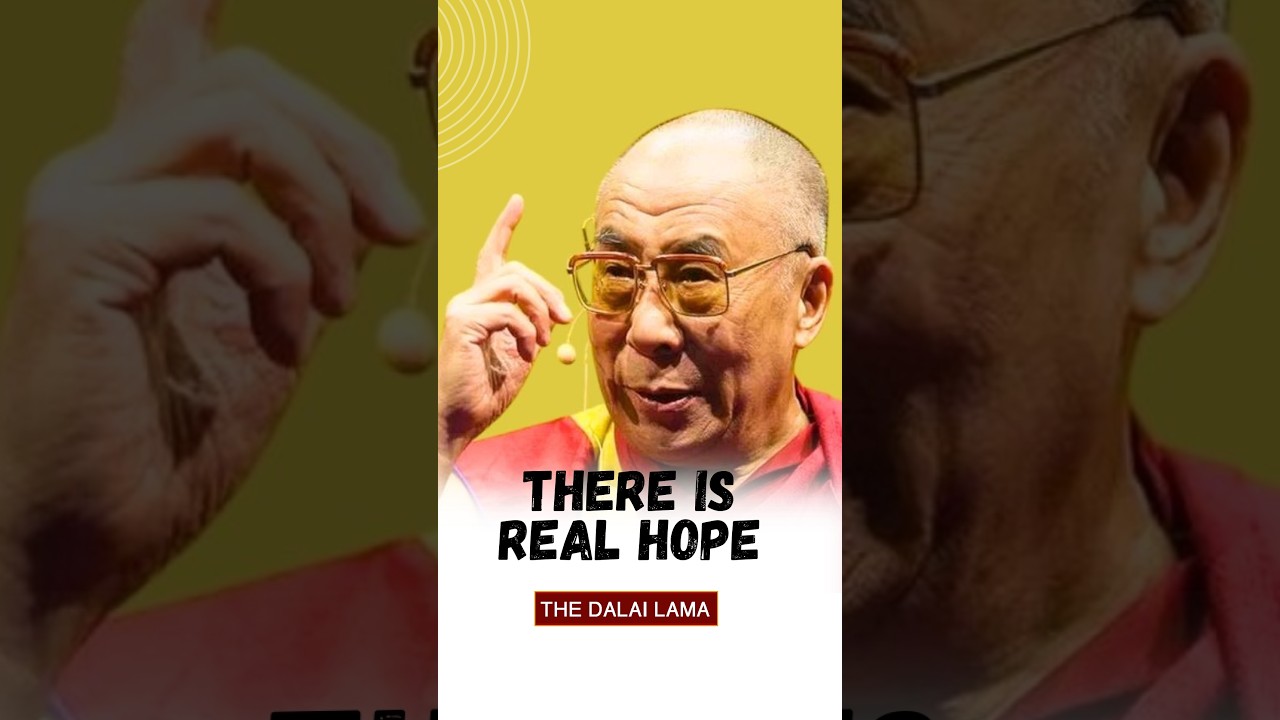
Dalai Lama on Teacher Authority: Compassion Over Credentials

Be Here Now Network
Be Here Now Network
Jul 16, 2025
7 min read

In this dharma talk recorded at Spirit Rock in 1993, Jack Kornfield reflects on encounters with the Dalai Lama, exploring what actually authorizes a spiritual teacher. The Dalai Lama's central insight: compassion—not titles, institutional authority, or converting students—determines whether a teacher genuinely embodies liberation. Kornfield uses this framework to examine how authentic practice spreads through the "scent" of actual peace and well-being, how students should relate skeptically to teachers, and how true spiritual life engages with difficulty rather than escaping it.

Read · 7 sections

What Makes a Teacher Truly Authorized?

Kornfield begins by situating this talk within a moment of rapid Buddhist expansion in the West. In 1993, Spirit Rock was experiencing spring renewal, and the wider landscape showed over 1,000 U.S. meditation centers—evidence of a movement far larger than any single sangha or institution. Yet quantity raised questions about quality: what distinguished authentic dharma teaching from mere institutional growth?

The Dalai Lama's answer shifted the conversation away from credentials. Rather than focusing on lineage, formal ordination, or institutional standing, he emphasized that a teacher's students' freedom authorizes the teaching. This reframing is radical: you do not need a fancy title or organizational backing to be a teacher. What matters is whether students around you grow more free, more awake, more compassionate. The "authorization" comes through the actual results visible in those students' lives—their reduced suffering, increased clarity, expanded heart.

This principle runs counter to much institutional religion, where authority flows downward from ordained hierarchies. Here, authority flows from the ground up: the teacher is someone whose presence and words catalyze genuine freedom in others.

Why Compassion Spreads the Dharma Better Than Conversion

The Dalai Lama also emphasized that compassion, not conversion or institutional growth, spreads the dharma. Kornfield notes this subtly undercuts evangelical models of Buddhist practice. The goal is not to make more Buddhists, get more adherents, or expand an organization. The goal is to express and radiate compassion—and that compassion itself, witnessed and felt by others, transmits something true about liberation.

This distinction matters practically. A teacher focused on conversion will pressure students, claim superiority, build loyalty to themselves or an institution. A teacher grounded in compassion simply remains present, kind, and truthful. That presence, that quality of being, communicates more than any doctrine. Students are drawn not by obligation but by the fragrance of something real.

Kornfield frames this using the Mahāparinirvāṇa Sūtra's teaching on gathering "in harmony and concord." True sangha—true community—arises not from doctrinal uniformity or institutional loyalty, but from beings coming together in a spirit of mutual respect and shared commitment to awakening. Compassion creates that harmony naturally.

The Scent-Test of Liberation: Recognizing Authentic Peace

One of Kornfield's most memorable images comes from the Dalai Lama: "Nirvana has a wonderful scent—like flowers." You can tell when you are around someone connected with nirvana. The scent is unmistakable: fragrance of peace, well-being, and liberation.

This sensory language moves beyond intellectual belief. You don't need a degree in Buddhist philosophy to recognize authentic peace. You feel it in a room. You notice it in how someone responds to difficulty, speaks to others, holds themselves. Kornfield suggests this is a reliable test: if a teacher or community smells like real peace and freedom, that is the authentic teaching. If there is inauthenticity, inaccessibility, or hidden suffering, that too becomes apparent.

The scent-test is also deeply democratic. You don't need institutional credentials to notice it. Any student, any beginner, can learn to trust their own recognition of genuine liberation when they encounter it. This empowers practitioners to be discerning—to "spy on your teachers," as Kornfield playfully suggests. Trust slowly. Watch. Does this person become freer, kinder, more honest over time? Does being around them make you feel more alive and less trapped?

How Should Students Relate to Teachers?

Kornfield emphasizes healthy skepticism as a spiritual practice. Rather than surrendering to a teacher's authority, students are invited to be investigators. The historical Buddha himself taught: don't believe anything just because I said it, don't rely on scripture alone, don't trust authority figures blindly. Instead, test teachings through your own experience.

This requires "spying on your teachers" in a friendly way. Watch how they respond when criticized. Do they become defensive or do they listen? Notice whether their teaching matches their conduct. Are they practicing what they preach, or are there hidden contradictions? Do they acknowledge their own limitations and wounds, or do they project an image of perfection?

Kornfield also introduces a psychological dimension often missing from traditional dharma talks: the wounded teacher and the wounded student. Many teachers come to spiritual practice to heal trauma or escape pain. This is understandable, but unhealed wounds can leak into teaching. A teacher who hasn't done psychological work may inadvertently retraumatize students, claiming their pain is "just ego" or "an attachment to process." Kornfield calls for bringing psychology into dharma—recognizing that genuine liberation includes psychological healing, not its bypass.

Is Spiritual Life an Escape or an Engagement?

Kornfield addresses a common misconception: that spiritual practice means withdrawing from difficulty, becoming peaceful in a detached way. He reframes spiritual life as engagement with difficulty, not escape from it. True practice includes sitting with pain, confusion, and conflict—not transcending them through dissociation or spiritual bypass.

He offers a playful example: "Bodhisattva off-duty?" The question is whether practice happens only on the meditation cushion, in a retreat setting, or whether it extends everywhere—including watching late-night TV, dealing with a difficult family member, or facing a work conflict. Real practice is continuous engagement with whatever arises. You are not trying to achieve a special meditative state and cling to it. You are learning to meet life—all of it—with clarity and compassion.

This reframes the spiritual path as fundamentally relational and embodied. You practice in community, with real people, in real conflict. The dharma is not a private experience; it is expressed through how you show up for others.

Interdependence and the True Meaning of Emptiness

Kornfield notes that authentic dharma teaching emphasizes interdependence—the mutual, all-pervasive connection among all beings. This is sometimes taught abstractly as "emptiness," but the real meaning is that true emptiness embraces every creature. You are not separate from the suffering of others. Your freedom is inseparable from theirs.

This understanding has ethical implications. You cannot achieve nirvana while remaining indifferent to others' pain. The bodhisattva vow—to liberate all beings—is not a sentimental wish but a logical consequence of understanding interdependence. When you deeply see that all beings are interconnected, compassion and action follow naturally.

Kornfield emphasizes this explicitly when discussing speaking out against spiritual misconduct and retraumatization. Authentic teachers will acknowledge harm, protect vulnerable students, and address abuse rather than hiding it. A lineage that covers up abuse is not transmitting true dharma; it is perpetuating suffering. Speaking up is itself a bodhisattva act—protecting the sangha and the dharma itself.

Where to Go From Here

If this talk resonates, consider practicing the scent-test yourself. Next time you encounter a teacher, a community, or a teaching, check in with your body and intuition. Does it smell like freedom, or does something feel off? Trust that recognition. You don't need external permission to be a discerning student.

Explore the Mahāparinirvāṇa Sūtra's teachings on sangha and right gathering. Notice where you experience harmony and concord with others—and where there is hidden friction or coercion. That too is teaching.

Finally, examine your own practice: Are you using meditation to escape life, or to engage with it more fully? Where are you being a bodhisattva "on duty" and where are you checking out? Real practice includes all of it—the difficulty, the mess, the confusion—with an increasingly open and kind heart.

Comments

Loading the conversation…

Be Here Now Network
ArtistBe Here Now Network

Be Here Now Network is the creator of Heart Wisdom with Jack Kornfield, a podcast exploring consciousness, spirituality, and personal transformation. With 313 episodes, they have c…

View profileWebsite
Explore Topics
Spiritual-authorityDalai-lamaTeacher-studentCompassionDharma

Got Questions?

Frequently Asked Questions

According to Kornfield's account, the Dalai Lama teaches that authentic teacher authority comes from students' freedom, not titles or credentials. A real teacher is someone whose presence and words catalyze genuine awakening and compassion in those around them—the students themselves authorize the teaching through their visible growth.
Kornfield offers the 'scent-test': authentic teachers radiate a fragrance of peace, well-being, and liberation that you can feel in your body. You can also practice healthy skepticism—watch how they respond to criticism, whether their conduct matches their teaching, and whether they acknowledge their own limitations rather than projecting perfection.
Spiritual bypass occurs when teachers or students use spiritual ideas to avoid real psychological work or healing. Kornfield emphasizes that authentic liberation includes psychological healing, not its avoidance. Teachers with unhealed wounds can retraumatize students by dismissing legitimate pain as 'just ego' rather than bringing both psychology and dharma into the work.
The Dalai Lama's teaching, as Kornfield presents it, is that the dharma spreads through the actual expression of compassion, not through institutional growth or conversion. When compassion becomes visible and felt by others, it transmits something true about liberation more powerfully than any argument or recruitment effort.
Kornfield teaches that understanding interdependence—that all beings are connected—naturally gives rise to compassion and ethical action. True emptiness embraces every creature, so you cannot achieve liberation while remaining indifferent to others' suffering. Speaking against abuse or harm becomes a bodhisattva act.
Kornfield challenges the idea that spiritual practice is only meditation or retreat. Real practice engages with all of life—late-night TV, difficult family members, work conflict—with increasing clarity and compassion. Spiritual life is continuous engagement with difficulty, not escape from it.
No. Kornfield encourages healthy skepticism, suggesting students 'spy on their teachers' in a friendly way. Watch for consistency between teaching and conduct, how they respond to criticism, and whether they acknowledge their own wounds. Trust slowly and let your own experience be the final authority.

Continue Reading

More from Be

View All
When Science Meets the Unmeasurable: Paradigm Collapse and Spiritual Inquiry
Inspire

When Science Meets the Unmeasurable: Paradigm Collapse and Spiritual Inquiry

Ram Dass recounts his encounter with a Nobel laureate physicist who accepted every story about his guru—until one crossed the line. The gap …

1 min read
Be Here Now: The Stranger Who Changed Everything
Inspire

Be Here Now: The Stranger Who Changed Everything

A barefoot mystic appeared at a Kathmandu restaurant in 1969 and transmitted a teaching that reshaped American spirituality. This is the ori…

1 min read
Our Compassionate Nature: Real Hope for a Peaceful World
Inspire

Our Compassionate Nature: Real Hope for a Peaceful World

Human problems are mostly self-created, yet science shows our compassionate nature. The Dalai Lama explains why real hope for a peaceful fut…

1 min read
Spiritual Practice in Daily Work, Not Just Prayer Rooms
Inspire

Spiritual Practice in Daily Work, Not Just Prayer Rooms

True spiritual practice isn't confined to meditation rooms or sacred objects. Honest, compassionate work—in any profession—is itself a spiri…

1 min read

Keep exploring

Continue your journey

More wisdom and gatherings from across the BrightStar directory.

More Articles

Browse the full library of teachings, interviews, and guides.

Back to all articles →

Teachers & Artists

Explore the lineages, musicians, and guides of the conscious world.

Explore artists →

Find an Event

Kirtan, retreats, sound baths, breathwork, festivals — happening soon.

Browse events →