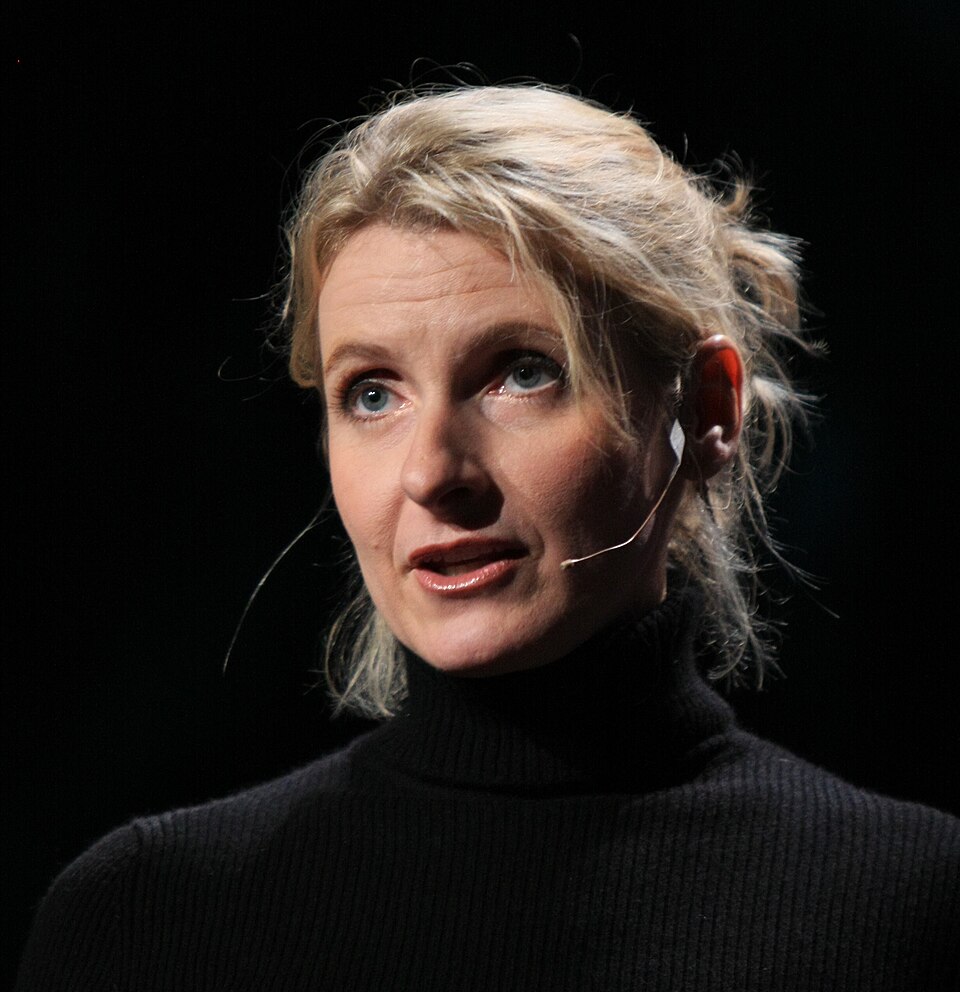
Elizabeth Gilbert opens her mailbox to letters from readers with a specific request: Can she name the exact gelateria where she ate gelato in Rome? The pizzeria in Naples? The ashram in India? They've followed her path through Italy, India, and Bali. Now they want the addresses for the next waypoints. As excited as Gilbert is to see people inspired to travel, there's a moment of recalibration required. "The point isn't that you go do what I did," she explains in this 2008 Borders Media interview. "The point is that maybe this book will encourage you to ask yourself the same questions that I was asking myself that led to this journey." This gap—between mimicking someone's external journey and undertaking your own internal one—is where the real teaching of Eat, Pray, Love lives, and it's a distinction worth understanding.
When a Memoir Becomes a Travel Checklist
The phenomenon Gilbert describes reveals something universal about how we consume stories of transformation. A book meant to model a process—asking hard questions, taking time for self-discovery, permitting yourself to want something different—gets read as a blueprint. Follow these steps in these places, and you'll find what she found. It's a natural misreading, because the external journey is concrete. You can buy a plane ticket to Rome. You can find an ashram. But the internal work—the suffering, the questioning, the slow building of a different vision for your life—that's invisible in the margin notes.
What Gilbert learned from these letters was that the readers most impacted weren't the ones planning to retrace her steps. They were the ones who recognized themselves in her questions.
What Sets a Spiritual Journey in Motion?
Gilbert's answer is unflinching: "I think every major spiritual epic journey in our lives begins with that series of self-interviewing." Not a flash of insight. Not a sudden decision to book a ticket. A conversation with yourself, repeated and deepened over time. The questions are stark: What is it that I really want? Why am I so unhappy? What would change this? What am I here for? Where am I going? What do I want to do with my one wild and wonderful life?
For Gilbert, these questions didn't arrive in an afternoon. They emerged from four years of what she calls "suffering and anguish" following a traumatic divorce. She wasn't meditating in India yet. She was home, asking herself the same hard questions over and over, letting them build into something larger. The slow architecture of desire. That extended season of self-questioning is where the journey actually begins—not at the airport.
The breakthrough came when she gave herself permission to dream without limits. "If you could do anything, what would you do?" she kept asking. "Stop limiting it, just blow it up as big as you can imagine it to be." The year-long journey—Italy for pleasure, India for spirituality, Bali for connection—took shape only after she'd done this foundational work of interrogation.
Does Every Path to Transformation Look the Same?
One of Gilbert's most important clarifications in this interview cuts through a false assumption: "I think that the world would be an even more cruel and unfair place than it already is if the only people who could have spiritual journeys were people who could afford to go to India." The democratization of spiritual practice isn't a modern convenience. It's a necessity.
The interviewer—who describes herself as happily married and not in crisis—makes this real. She didn't need to sit in an Indian ashram or struggle with meditation the way Gilbert did. But the interviewer recognized something valuable in Gilbert's work: the principle of being present to your actual life, right now, instead of mentally living somewhere else. "How many times do I wake up on a Monday and start thinking about the weekend or how often am I thinking about the next vacation and how many days in between am I missing because I'm not thinking about what's happening today?" she asks.
The interviewer's answer to this recognition was its own form of spiritual practice: a gratitude journal. Every night before bed, five things from that day that she's grateful happened. "I'm just forcing myself then throughout the day to be thinking about the little moments that matter, even if it's a stressful work day or even if I'm not feeling well." She never expected that reading Eat, Pray, Love would lead her to something transformative in her actual life. But the logic is the same as Gilbert's: awareness of what you actually want, permission to pursue it, and a practice that reconnects you to what's alive right now.
Why the Process Matters More Than the Destination
What Gilbert kept returning to in this interview is the irreducibility of self-discovery. You cannot buy your way to it. You cannot Instagram it. You cannot even inherit someone else's itinerary and arrive at their insights. The journey must be yours because the questions are yours. Your suffering. Your anguish. Your vision of what you'd do if you let yourself dream.
The architecture of transformation that Gilbert models—four years of questions, then a leap—runs counter to our culture's appetite for speed. We want the highlights. The gelato moment. The temple moment. The sudden awakening. What we don't see is the years of asking yourself over and over what you're doing with your one wild and wonderful life, and hearing silence, and asking again.
This is the true universality of Eat, Pray, Love: not that everyone needs to go to Italy, India, and Bali, but that everyone is eventually called to answer a hard set of questions about what they really want and what's stopping them. For some people the answer involves travel. For others it involves sitting still. For the interviewer it involved starting a journal. The form follows the conviction.
Where to Go From Here
The invitation Gilbert extends in this interview is neither to emulate her nor to ignore her. It's to use her journey as permission for your own. Ask yourself the questions she asked. Don't worry about getting them right—they're not meant to be answered once. They're meant to be lived with, turned over, allowed to change you. And then notice: what would you do if you gave yourself permission? What's stopping you? What's one small practice—a journal, a moment of presence, a different question—that could shift how you move through today?
The real journey never appears in anyone's travel photographs.


