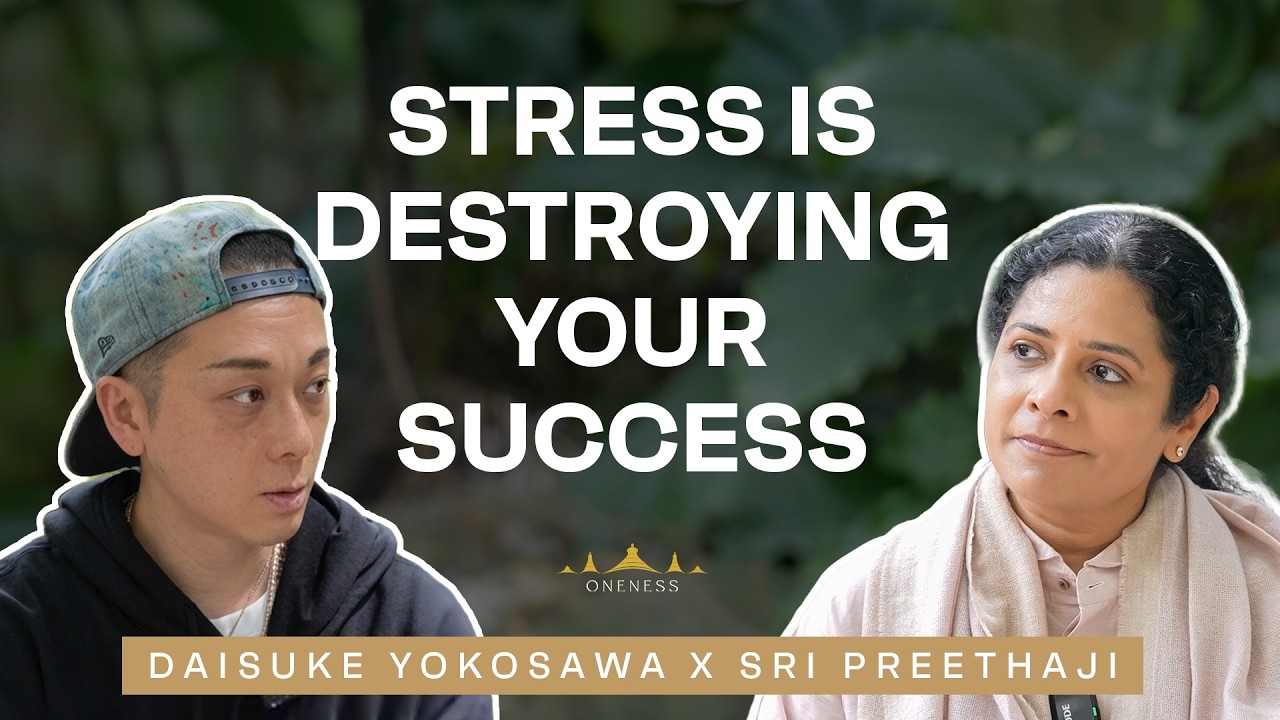
Enlightenment is not a distant transcendental goal or retreat from the world. Instead, it is a functional state of unperturbed calm—the capacity to meet life's challenges, relationships, and responsibilities from a place of inner stillness rather than fear, anxiety, or confusion. This redefinition reframes enlightenment as a practical, achievable condition for everyday life: leaders who respond without panic, parents who act from clarity rather than reactivity, partners who listen from openness, and teachers who guide from presence.
What If Enlightenment Means Staying Calm Under Pressure?
The conventional image of enlightenment often carries associations with retreat—monks in caves, renunciation of worldly life, escape from struggle. But this vision inverts that assumption. Enlightenment is redefined not as transcendence of life, but as presence within life. The measure is not how far you withdraw, but how steady you remain when pulled in many directions.
Consider the parent woken at 3 a.m. by a crying child, the leader facing a crisis, the partner navigating conflict. In each case, the conditioned response is often driven by fear: What if I fail? What if I'm wrong? What if this falls apart? These anxieties cloud judgment and narrows options. Unperturbed calm—inner stillness—is the absence of that noise. It is the condition in which you can actually see the situation clearly and respond rather than react.
How Does Inner Stillness Change Decision-Making?
When decisions flow from inner stillness rather than fear or confusion, the quality of those decisions shifts. A leader operating from stillness does not make reactive choices designed to protect ego or appease anxiety. A parent speaking from that space is not driven by the need to control or the panic of inadequacy. A partner listening from stillness is not waiting for their turn to defend themselves; they are genuinely present.
This is not passivity. Stillness is not blankness. It is an active clarity—the mind sharp and focused, yet not contracted by emotion. From this state, responses are calibrated to what the situation actually demands, not what the nervous system fears. The decision-maker has access to wisdom, creativity, and compassion that are unavailable when the system is in threat mode.
Why Is This Enlightenment for "Everyday Life"?
The shift from transcendental to practical is crucial. If enlightenment were only a state achieved by monks or accessible only through decades of retreat, it would remain an inspiration but not a solution. But if enlightenment is the capacity to remain unperturbed—to access inner stillness amid the ordinary friction of relationships, work, parenting, and leadership—then it becomes directly relevant to how you live now.
This is enlightenment embedded in context: You are a parent and you can respond from calm. You are a leader and you can make decisions from clarity. You are a partner and you can listen from openness. You are a teacher and you can guide from presence. The roles don't dissolve; the quality of presence within the roles transforms.
What Role Does Impact Play in This Vision?
When decisions and relationships flow from inner stillness, impact naturally shifts. A parent operating from calm models emotional regulation for their child. A leader responding from clarity creates psychological safety in the team. A partner listening from presence deepens intimacy. A teacher guiding from stillness creates space for genuine learning. Impact is not forced; it emerges as a byproduct of presence.
This reframes the spiritual life. It is not about achieving a state you can retreat into, but about bringing that state into the places where it matters: where other people depend on your clarity, where stakes are real, where your presence either escalates or de-escalates a situation.
How Do You Access This Inner Stillness?
The description points to a vision without prescribing method. Yet the implication is clear: inner stillness is cultivated. It is not automatic. It requires a shift in where attention rests—from the loop of fear and reactivity toward a deeper ground of calm. This might involve meditation, inquiry, or deliberate practice in pausing before responding. It might mean noticing, in small moments, the difference between a reactive mind and a still mind, then learning to extend that difference into longer stretches of life.
The work is not mystical, though the results may feel surprising. It is the unglamorous practice of training the mind and nervous system to remain open and clear when their default is to contract and protect. It is the daily choice to let decisions and relationships emerge from stillness rather than fear.
Where to Go From Here
If this vision resonates, begin with observation. Notice the moments in your day when you are operating from fear or confusion versus clarity. Notice what your relationships look like when you are reactive, and what they look like when you are calm. Notice how your decisions change when anxiety is present versus when it is absent. These small observations are the beginning of understanding what inner stillness actually means in your own life—not as an abstract ideal, but as a measurable shift in how you show up. From there, the question becomes: what practices or shifts could extend those moments of stillness into longer stretches, so that your leadership, parenting, partnership, and teaching flow increasingly from that ground?