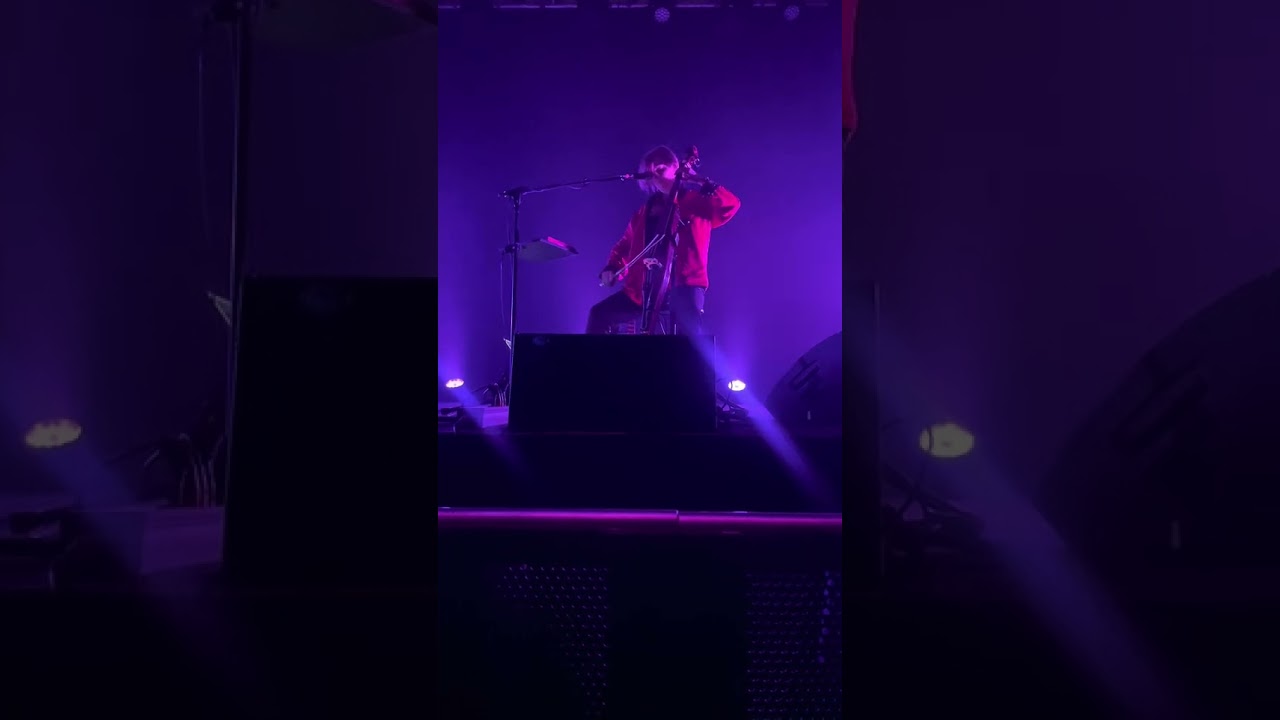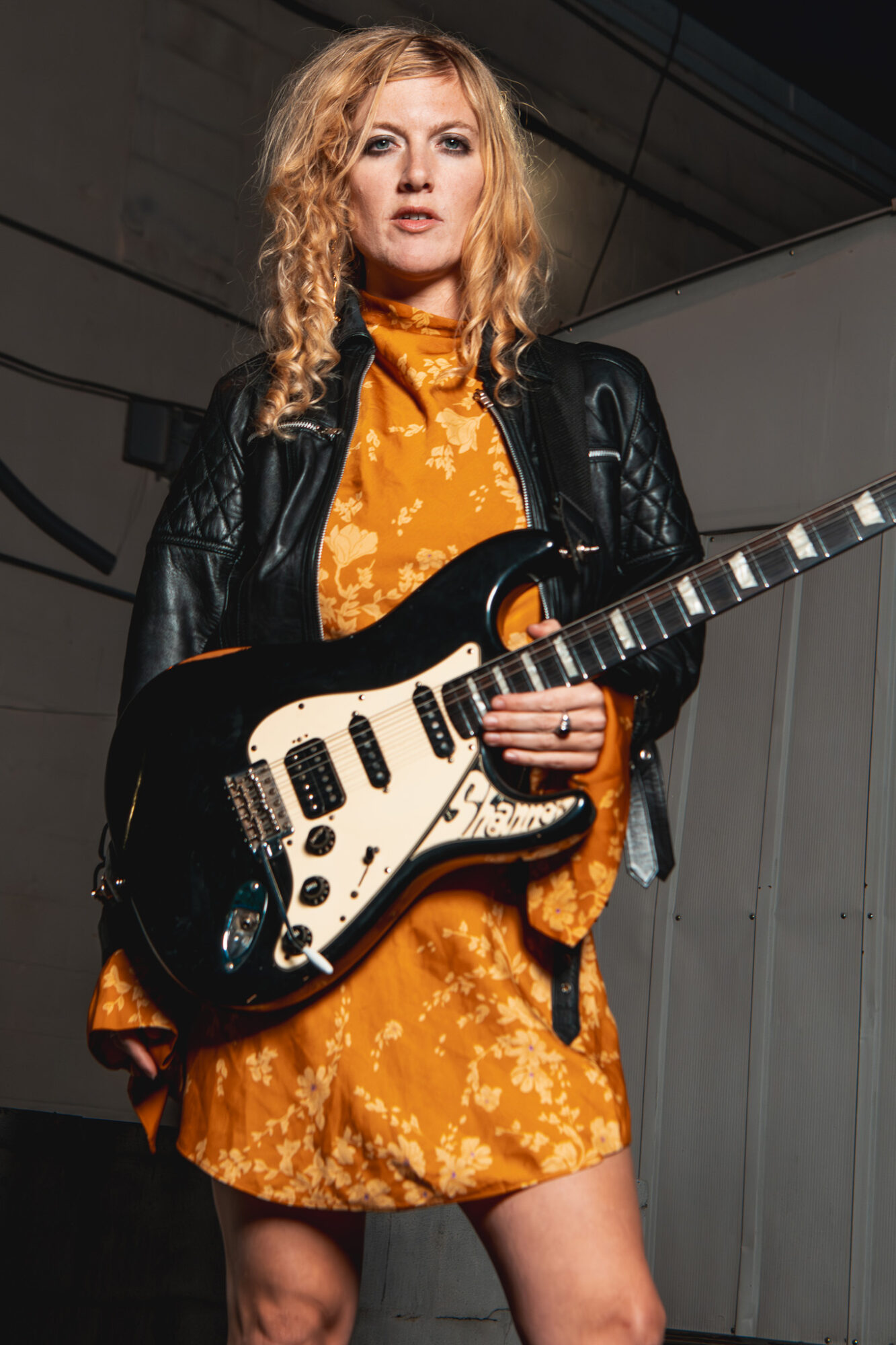
Cellist Shannon Hayden delivers a virtuosic performance of Ezra Laderman's Fantasy for Solo Cello from her graduate degree recital at Yale University. The performance captures the work's emotional range and technical demands, moving through passages of introspection, dramatic intensity, and refined musical expression. This recording documents a significant moment in contemporary classical music performance, showcasing both the composer's vision and the performer's interpretive commitment to bringing Laderman's complex score to life on the instrument.
Ezra Laderman (1924–2011) was an American composer whose catalogue includes numerous works for chamber ensembles and solo instruments. The Fantasy for Solo Cello stands as a significant entry in the unaccompanied cello repertoire—a genre that demands both technical mastery and profound interpretive sensitivity from the performer. Unlike more structured forms such as sonatas or concertos, a fantasy allows the composer greater freedom to explore thematic material without adhering to strict formal constraints. In Laderman's hands, this freedom becomes an opportunity to craft a piece that moves fluidly between moments of introspection, emotional intensity, and virtuosic display.
The work requires a cellist who can navigate both the intimate, lyrical passages and the technically demanding sections with equal conviction. Shannon Hayden's interpretation demonstrates a deep understanding of the score's architecture, balancing the work's expressive demands with the instrument's full range of colors and technical possibilities.
This recording was captured during Hayden's graduate degree recital at Yale University, one of the most rigorous and prestigious music conservatories in the United States. A graduate recital represents a culminating artistic statement—a moment where a student must demonstrate not only technical proficiency but also mature musical judgment and the ability to sustain an entire program of substantial works. The inclusion of Laderman's Fantasy in this recital suggests deliberate curation, selecting contemporary classical works that challenge and showcase the performer's artistry.
Performing at Yale places this work within a lineage of serious contemporary music engagement. Yale's school of music has long emphasized the study and performance of twentieth-century and contemporary works, creating an environment where pieces like Laderman's fantasy are valued as essential contributions to the cello repertoire rather than peripheral curiosities.
The structure of Laderman's Fantasy unfolds through distinct emotional territories. Rather than developing a single theme in traditional sonata fashion, the piece moves through contrasting states of feeling and musical material. Hayden's performance captures these transitions with clarity, allowing the listener to understand the underlying architecture of the work even without access to the score.
The opening material establishes a contemplative tone, inviting the cellist to explore the instrument's ability to sing with a voice closely resembling the human voice itself. This is where the cello's greatest expressive power resides—in its proximity to vocal range and timbre. Hayden allows space for this singing quality to emerge, never forcing the tone but instead drawing it naturally from the instrument's resonance.
As the fantasy progresses, the musical landscape shifts. More active passages introduce rhythmic momentum and technical figuration. These moments require the cellist to maintain clarity of voice even while executing the mechanical demands of the score. The balance between technical display and musical substance is critical here—virtuosity for its own sake would undermine the work's integrity, while excessive caution would diminish the composer's clear intentions to include passages of considerable difficulty.
Unaccompanied cello works place extraordinary demands on the performer. Without harmonic support from piano or strings, every note must ring true; every intonation must be secure; every rhythmic gesture must be precisely placed. The cellist cannot hide behind ensemble sound or rely on a collaborating pianist to fill in harmonic gaps. This isolation is also an opportunity: the performer has total control over tempo, phrasing, and the work's overall narrative arc.
Hayden's approach to Laderman's score demonstrates sophisticated understanding of the instrument's capabilities. Her bow control shapes phrases with deliberate intention—some passages receive a flowing, singing approach while others employ more angular articulation to highlight rhythmic or structural elements. Her left-hand technique navigates the register changes and intonation challenges inherent in solo cello writing without drawing attention to the mechanics of performance.
The decisions about vibrato, for instance, represent interpretive choices that significantly color the listener's experience. A consistently wide vibrato might evoke a certain warmth or sentimentality, while strategic, minimal vibrato can create a more direct or austere quality. Hayden's vibrato choices appear calibrated to the emotional content of each passage, deepening the sense that this is a reading by an artist who has thoroughly internalized the score.
The solo cello repertoire stretches back to the baroque suites of Johann Sebastian Bach. Those works established the medium as one capable of sustaining an entire performance with intellectual and emotional rigor. Contemporary composers like Ezra Laderman build upon this tradition while expanding what a solo cello can express. Twentieth-century and twenty-first-century composers have explored extended techniques, unusual tunings, and non-traditional notation to expand the instrument's possibilities.
Laderman's Fantasy, while rooted in the tradition of lyrical and virtuosic cello writing, incorporates the harmonic and rhythmic language of mid-twentieth-century composition. The work sits within a recognizable aesthetic—not aggressively avant-garde or experimental, but also not retrograde. This middle ground requires a performer like Hayden who can honor both the traditional expressive values of cello playing and the more modern compositional vocabulary.
This recording documents not just a competent performance but a mature artistic interpretation. Hayden brings presence and conviction to every moment, avoiding both the excessive emotion that can undermine contemporary classical music and the detached intellectualism that can render it lifeless. She listens to herself play, responding to the sound she is making rather than simply executing predetermined interpretive choices mechanically.
The recording quality, while not pristine studio documentation, captures the immediacy of a live recital performance—complete with the acoustic of a concert hall. This adds authenticity to the reading; we hear Hayden's performance as an audience member would have experienced it in the moment, without the artificiality of multiple takes or heavy engineering.
For musicians studying the cello repertoire, this recording provides a substantial model of how to approach a significant contemporary work. For listeners interested in twentieth-century American composition, it offers access to Laderman's voice as a composer—his use of melody, harmony, and form to create a coherent statement within the constraints of solo instrument writing. For those simply seeking to hear beautiful cello playing, Hayden's performance delivers musical substance and technical accomplishment in equal measure.
Listeners drawn to this performance might explore other works in Ezra Laderman's catalogue, particularly his chamber music and additional solo works. Examining the broader context of contemporary classical cello repertoire—including works by composers such as Leon Kirchner, Elliott Carter, or more recent figures—helps situate Laderman's contribution within larger compositional conversations. For those interested in developing their own practice with solo cello works, studying how performers like Hayden shape phrase, control tone color, and navigate technical challenges provides a masterclass in the art of unaccompanied string playing. The Bach cello suites remain essential reference points for anyone seeking to understand the depth possible in solo cello performance; comparing interpretations of Bach with approaches to contemporary works reveals how much interpretive freedom the performer maintains across different compositional eras.