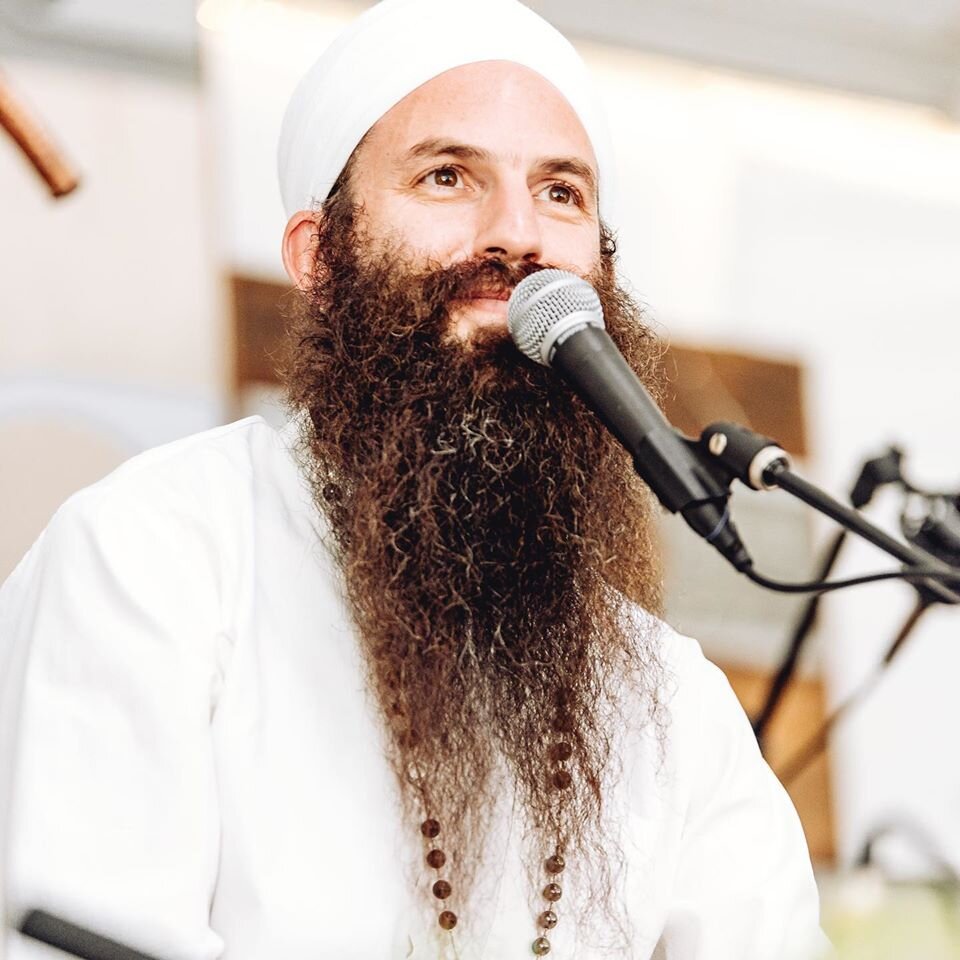
The Art of Living Retreat Center, nestled in North Carolina's Blue Ridge Mountains, is a wellness destination founded on the principle that healing happens when values like compassion and connectedness are actively cultivated. Through signature programs in breathing techniques, meditation, Ayurvedic therapies, and plant-based nutrition, the center creates an environment designed to strip away daily stress, restore nervous system balance, and help guests reconnect with their authentic selves. Multiple guests describe tangible outcomes—from three-year chronic pain disappearing within days to a fundamental shift in how they experience belonging and peace.
The Art of Living Retreat Center's location in the Blue Ridge Mountains is not incidental to its therapeutic function—it is central to it. According to program participants, the drive up the mountain itself initiates a shift in consciousness. One guest notes, "Just the drive up the hill to the mountain for me I can feel the stress and whatever I've been thinking about and the hustle and bustle of the day just starts to fade away and the quiet just kind of compounds it" (48s). The environment is designed to progressively deepen stillness rather than interrupt it.
Upon arrival, guests report an immediate physiological and psychological response. Another participant describes: "From the moment I step onto the premises I immediately feel at peace & at calm" (61s). The center's leadership understands that the mind cannot easily find silence in a chaotic setting. As one instructor explains, "It's so still and quiet here that it allows the mind that much more silence that it's easier to feel that stillness within" (71s). This recognition reflects a core principle of traditional yoga philosophy—that external conditions support internal transformation. The quiet is not passive; it actively creates the conditions for the nervous system to downregulate and the thinking mind to settle.
One of the most striking testimonials comes from a guest who had lived with a debilitating autoimmune disorder for three years. She describes her experience: "I was diagnosed with an autoimmune disorder and I was in chronic debilitating pain so I decided to try this and on day three I woke up completely pain-free. I haven't been pain-free for about three years" (116–127s). This account suggests that the integrated approach at the center—combining Ayurvedic protocols, structured retreat programs, nutritional support, and the nervous system reset that occurs in the quiet environment—can produce measurable physiological shifts remarkably quickly.
While a single testimonial does not constitute clinical evidence, the mechanism is plausible within traditional Ayurvedic and somatic frameworks. Chronic pain is often maintained by nervous system dysregulation, inflammatory dietary patterns, and psychological stress. The center's programs address all three: breathing techniques and meditation directly regulate the autonomic nervous system; Ayurvedic food preparation ensures easily digestible, anti-inflammatory meals; and the retreat setting itself removes the chronic stressors that perpetuate inflammation. The guest's three-day turnaround likely reflects the combined effect of these inputs rather than any single intervention.
The center employs a chef trained in both conventional and Ayurvedic food preparation. Guests describe the food experience as more than mere nutrition: "The chef is fantastic, making accommodations for everyone. Food that's good for you because it actually sits on your stomach and clears your mind" (132–138s). This phrasing—that food should "sit on your stomach and clear your mind"—reflects Ayurvedic understanding that digestion is cognitive; what you eat influences not just physical health but mental clarity and emotional state.
The retreat also integrates a working garden, which serves multiple functions beyond food production. One gardener at the center shares: "I love everything about gardening—it puts you in the ground. It also puts you in touch with where your food actually comes from" (147–152s). This approach connects guests to the source of their sustenance, fostering gratitude and awareness that traditional medicine systems recognize as themselves therapeutic. The act of gardening also grounds the nervous system through direct contact with earth and natural cycles, a principle now validated by research on grounding and earthing.
The Art of Living Foundation, which oversees the retreat center, is built on a specific approach to pranayama (breathing practices) and meditation. Center leadership articulates the purpose clearly: "Through our programs we have different breathing techniques, meditations and processes, so that the blossoming of who you really are easily begins to express itself" (184–194s). This framing is important—the programs are not designed to create a new identity or impose a spiritual ideology, but to remove obstacles so that one's authentic nature can emerge naturally.
This aligns with classical yoga philosophy, which holds that our true nature is already whole; suffering arises from identification with mental patterns and stress responses. Breathing techniques work by interrupting the feedback loop between the mind and nervous system. When breath is controlled and deepened, the mind naturally becomes calmer and more spacious. Meditation then allows space for observation without reactivity. Multiple guests report that these practices led to "a deeper connection to who they really are" (108–116s)—not a new persona, but a felt sense of their underlying wholeness beneath the accumulated stress and identity constructs.
The center's leadership emphasizes that this is not a retreat for a single spiritual tradition or demographic. "It's a place where people from different cultures, backgrounds and generations can come together" (197s). This inclusivity reflects the Art of Living Foundation's global reach—the organization operates in over 150 countries and serves practitioners of many faiths and no faith.
The stated intention for the center goes beyond individual healing: "Let this place be a chance for miracles in the lives of millions of people, where tears turn into smiles, desperation turns into hope, dullness turns into creativity and hatred turns into love" (214–227s). This vision suggests that the center is understood not just as a commercial wellness destination but as a laboratory for social transformation. The belief is that when individuals restore balance and access their deeper nature, they naturally radiate compassion and contribute to cultural healing.
One of the most human outcomes reported is a restoration of belonging—a psychological state that modern life often erodes. A repeat visitor explains: "Each time I come back here to the Art of Living Center I feel like I'm returning home" (91–99s). Another guest is more emphatic: "I feel like I'm home. I feel like I belong which is so rare that we can feel that way" (167–173s). The rarity emphasized here is significant; many people report that experiences of true belonging are scarce in contemporary life.
This restoration of belonging appears to arise from multiple sources: the quality of the natural environment, the intentionality of the staff and community, the removal of stimuli that usually demand defensive posturing, and the practice of meditation itself, which cultivates an inner sense of okayness independent of external validation. The center's stated goal is to "put a smile on everyone's face as they leave this place" (80–84s), but more importantly, to ensure "You can come with all the stresses & tensions that you want but you can't take them when you go back home" (80s). The implication is that the retreat is designed to not just provide temporary relief but to teach the nervous system and mind a new baseline of calm that can be carried forward.
The center integrates creative activities into its wellness programs. A staff member notes: "Working creatively really creates a sense of calm and it also creates a sense of connection" (159–164s). This reflects research showing that creative engagement—whether gardening, art, music, or craft—activates parasympathetic nervous system states and provides a natural container for psychological integration. Creative work is often nonverbal, allowing the thinking mind to relax while the deeper mind processes and integrates experience. The sense of connection that arises may come from both the act itself and the community context in which it occurs.
If you are interested in exploring integrated wellness retreats grounded in traditional practices, begin by examining the science of nervous system regulation through breathwork—read research on vagal tone and polyvagal theory to understand why breathing practices work. If chronic pain or autoimmune conditions are relevant to your life, investigate Ayurvedic approaches to inflammation and digestion; consider whether your current food choices support or undermine your clarity and physical ease. If you feel drawn to the retreat model, look for centers that emphasize environmental quality, staff training in both modern and traditional modalities, and genuine community rather than purely commercial hospitality. Finally, consider what it would mean to cultivate a space—even a small one in your home or daily routine—where values like compassion and connectedness are actively nurtured. The retreat center's model suggests that healing environments are not accidents; they are intentionally designed.


