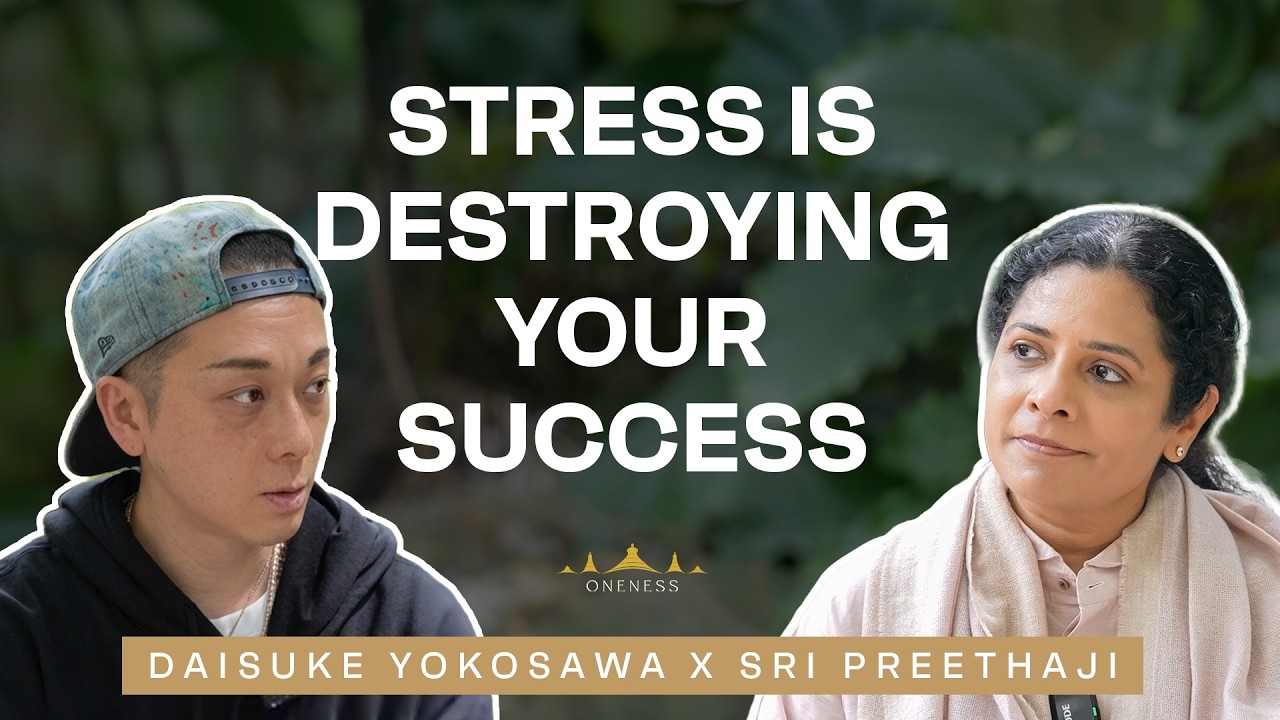
Samskaras are deep behavioral and psychological imprints inherited from ancestral lineage and accumulated through life experiences, distinct from vasanas (impressions from past lives). Unlike vasanas that carry forward from individual karma across lifetimes, samskaras originate in your family line and early conditioning, embedding themselves in consciousness from birth. Through heightened awareness and consistent spiritual practice, these ancestral poisons can be recognized, confronted, and gradually transcended—enabling genuine spiritual maturation regardless of age.
What are samskaras and how do they differ from vasanas?
In the Oneness Movement framework, samskaras represent a specific category of psychological and spiritual imprints that must be clearly distinguished from vasanas. While both are conditioning patterns that shape behavior and perception, their origins differ fundamentally. Vasanas are impressions carried forward from past lives through individual karma—they reflect your own soul's accumulated patterns across many incarnations. Samskaras, by contrast, are ancestral poisons passed down through your family line and reinforced by the conditioning received during your own lifetime.
This distinction matters because it changes how you approach healing. A samskara embedded since childhood through family patterns, cultural conditioning, and inherited emotional wounds operates differently than a vasana that traces back to soul-level choices. Samskaras are not uniquely yours—they belong to a collective family consciousness, making them both more intractable and paradoxically easier to release once you recognize them as inherited rather than intrinsic to your true nature.
How do ancestral samskaras form and get transmitted?
Samskaras develop through two primary mechanisms: genetic inheritance of behavioral patterns and explicit conditioning during formative years. When your parents, grandparents, and earlier ancestors lived through trauma, scarcity, shame, or limiting beliefs, they encoded these patterns into their nervous systems and psychological structures. These imprints then transmit to the next generation not just through conscious teaching but through the energetic and emotional atmosphere of the family environment.
A child absorbs far more than explicit instruction. They internalize the anxiety patterns, defensive strategies, emotional numbness, or compulsive behaviors they witness in caregivers. They learn what emotions are safe to feel and which must be suppressed. They adopt beliefs about money, relationships, self-worth, and spirituality from the unspoken assumptions that permeate the family consciousness. These absorbed patterns crystallize into samskaras—deeply grooved neural and energetic pathways that feel completely natural and "normal" because they have shaped consciousness since before conscious memory began.
The Abundance Festival emphasizes that these ancestral poisons are particularly virulent because they operate beneath awareness. Unlike chosen beliefs or behaviors that can be examined and questioned, samskaras feel like the natural structure of reality itself. They are "the way things are done in our family," "the way people like us experience the world." This invisibility makes them exceptionally powerful.
Why are samskaras called "poisons" in spiritual practice?
Samskaras function as poisons because they systematically distort perception and limit potential. A samskara is not neutral; it actively constrains how you think, feel, and act. Consider a common ancestral pattern: a family history of financial insecurity might embed a samskara of scarcity consciousness. This poison then filters every decision—you unconsciously avoid opportunities because you fear loss, you sabotage abundance when it approaches, you work from a place of anxiety rather than creativity. The samskara acts like toxin in the system, poisoning your relationship with abundance itself.
Other ancestral poisons operate similarly across different domains:
- Shame patterns: Inherited family shame about sexuality, emotion, or the body creates a poison that makes embodiment difficult and intimacy complicated
- Rejection patterns: If ancestors experienced abandonment or rejection, the samskara creates hypervigilance to rejection in descendants, causing them to withdraw before being hurt
- Control patterns: Families that experienced chaos may embed a samskara that requires rigid control, making flexibility and trust nearly impossible
- Unworthiness patterns: Some families carry generational patterns of self-doubt and minimization that poison the ability to receive or claim success
The poison metaphor is precise: these patterns do not just limit options—they actively damage and distort the nervous system, emotional body, and spiritual perception of the person carrying them.
How does age factor into the capacity to clear samskaras?
A key teaching from the Oneness Movement framework is that spiritual maturation and samskara clearing are not tied to chronological age. This is liberating because many traditions suggest that deep patterns are fixed or that youth is required for transformation. However, samskaras—because they originate in this lifetime through conditioning rather than spanning multiple incarnations—can be addressed and transcended at any age through consistent awareness and practice.
What changes with age is not the possibility of clearing samskaras but the sophistication and integration of the process. An older person may have had decades to notice recurring patterns and may have already begun the work of questioning inherited assumptions. A younger person may be more flexible neurologically and less habituated to these patterns, but may lack the reflective capacity to see them clearly. The Abundance Festival framework suggests that when you become aware of a samskara—whenever that occurs—you have the capacity to work with it directly through spiritual practice and conscious witnessing.
What practices enable confrontation and clearing of samskaras?
The Oneness Movement teaching emphasizes that clearing samskaras requires two simultaneous movements: heightened awareness and dedicated spiritual practice. Awareness alone is insufficient—you can intellectually understand that you carry an ancestral pattern of unworthiness without that understanding penetrating deep enough to shift the embedded imprint. Conversely, practice without clear awareness of what is being worked with becomes diffuse and may not target the specific poison that needs to be addressed.
Effective samskara work typically involves:
- Recognition: Identifying the specific ancestral pattern operating in your life—noticing the recurring thoughts, emotional reactions, and behavioral loops that signal a samskara's presence
- Ancestral acknowledgment: Consciously recognizing that this pattern belongs to your family line, not to your essential nature—creating separation between the imprint and your true self
- Witnessing practice: Observing the samskara operating without judgment or identification, allowing it to surface and be seen rather than acted from unconsciously
- Intention and ritual: Consciously stating your choice to transcend this inherited pattern, sometimes through formal spiritual ritual or practice that honors both the ancestors and your own freedom
- Repeated embodiment: Practicing new responses and perceptions that are not poisoned by the ancestral pattern, gradually rewiring the nervous system and consciousness
The Abundance Festival framework suggests that this work is not primarily about suppressing or fighting the samskara. Rather, through awareness and practice, you gradually dissociate from identification with the pattern. You recognize it as something inherited rather than essential, and this recognition itself begins the process of transcendence.
How do samskaras specifically block abundance and prosperity?
The context of the Abundance Festival points to a particular focus: how ancestral samskaras create unconscious barriers to prosperity and material well-being. Many families carry generational patterns rooted in historical scarcity, deprivation, persecution, or the belief that spiritual development requires renunciation and poverty. These patterns transmit as samskaras that make abundance feel dangerous, undeserved, or spiritually compromising.
Common ancestral poisons around abundance include:
- Belief that money is "unspiritual" or morally corrupting
- Conviction that suffering is noble and prosperity is selfish
- Unconscious sabotage of success rooted in ancestral patterns of deprivation
- Anxiety about visibility and prominence that comes from family histories of persecution
- Guilt about having more than ancestors experienced, creating self-imposed limitation
When these samskaras operate unconsciously, they create an internal conflict between conscious desire for abundance and unconscious programming against it. The person may work hard and create opportunities, but the inherited poison systematically undermines manifestation. Only through direct confrontation of the ancestral pattern itself can this internal sabotage be addressed.
What is the relationship between samskara clearing and spiritual growth?
The Oneness Movement framework positions samskara clearing as essential foundation work for genuine spiritual development. Spiritual growth is not primarily about acquiring new knowledge or experiences—it is about progressively removing what obscures the clarity, peace, and unity that are already present. Samskaras are major obscurations because they are so deeply woven into the fabric of consciousness that they often go unexamined.
When samskaras operate unconsciously, they create what might be called "false limitations"—the person imagines themselves incapable of certain experiences or achievements because the ancestral poison has created a neurological and energetic barrier. Actual spiritual maturation includes the capacity to see through these false limitations and to access potentials that were always present but blocked.
Furthermore, unprocessed ancestral samskaras can actually be transmitted further to descendants. By recognizing and transcending these patterns, you not only free yourself but you interrupt the transmission to the next generation. This represents genuine spiritual service within your lineage.
Where to go from here
Beginning samskara work requires first turning your attention inward with genuine curiosity: What recurring patterns show up in my life? What emotional reactions seem disproportionate to current circumstances? What beliefs about what is possible or impossible for "people like me" quietly limit my choices? These questions often point toward ancestral samskaras waiting to be seen and addressed.
Consider exploring your family history not just factually but energetically. What challenges did your ancestors face? What beliefs did they develop to survive? What unspoken assumptions pervade your family culture? This recognition itself begins the process of separating your essential self from inherited conditioning.
Seek out spiritual teachers, communities, or practices specifically oriented toward ancestral healing and samskara clearing. The Oneness Movement's Abundance Festival represents one such dedicated space. Working with guidance and in community amplifies the capacity to recognize and transcend patterns that operate so deeply that the individual mind alone often cannot perceive them clearly. The goal is not perfection or complete eradication of all traces—it is progressive liberation that allows your authentic nature and genuine potential to emerge.