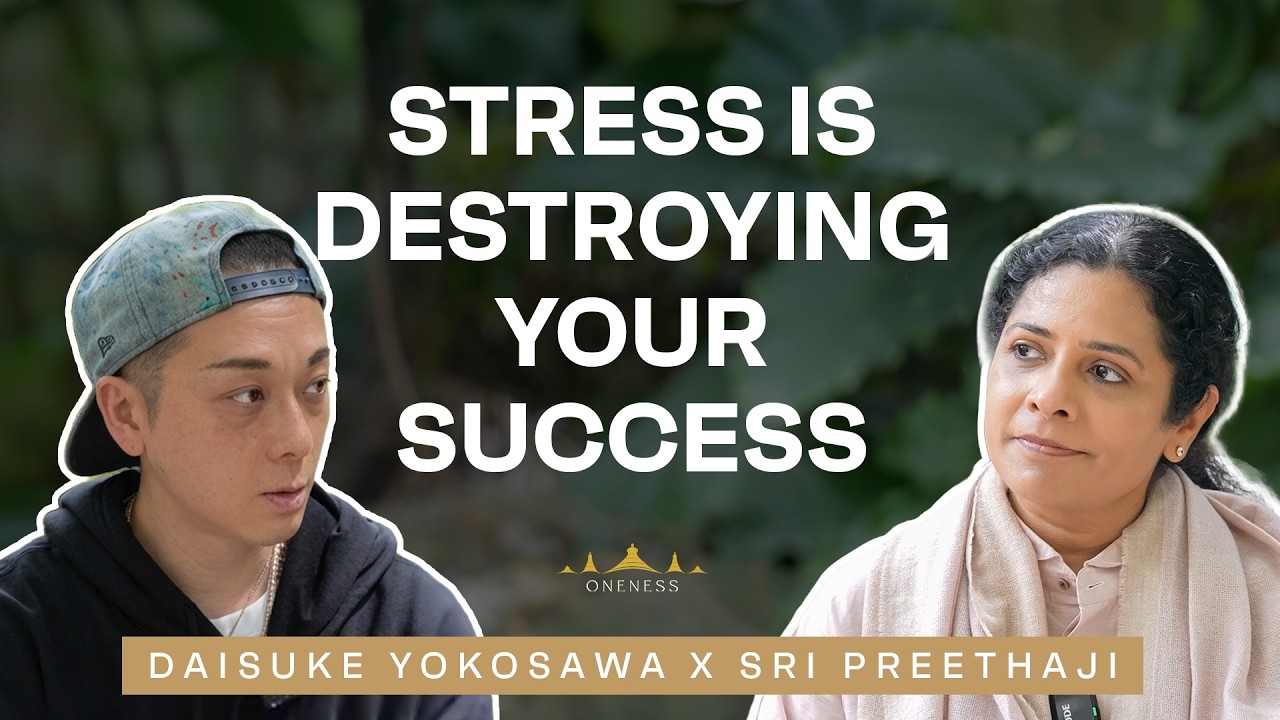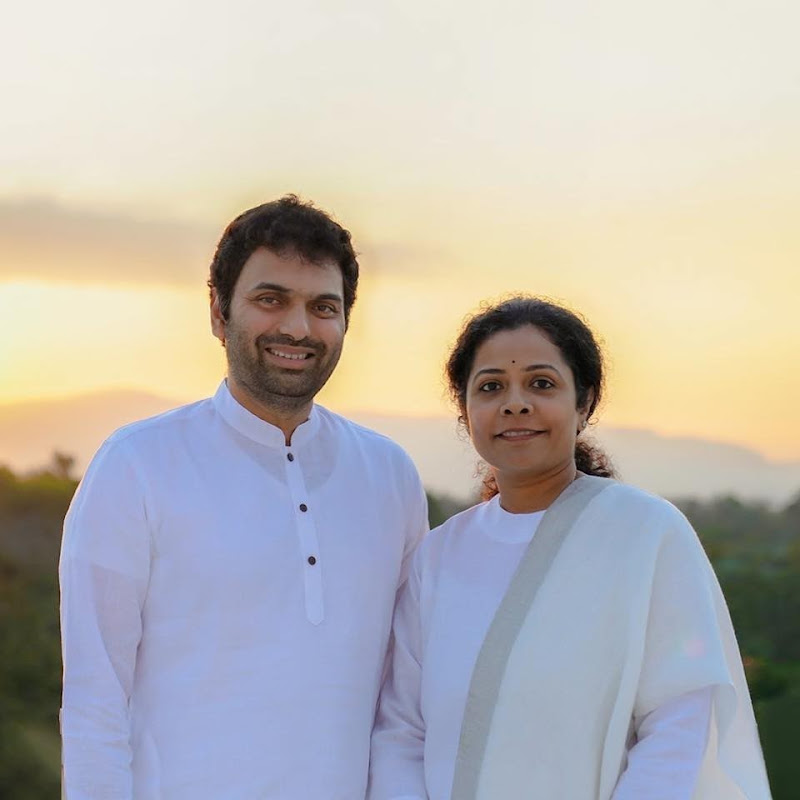
Sri Preethaji and Sri Krishnaji from the Oneness Movement teach that anger and emotional pain are not inevitable states we must endure. Rather, the duration of anger is determined by a choice we make—either to cling to it or to release it. The teaching suggests that this release is not a distant, difficult ideal but something accessible within minutes, challenging the common belief that we are helpless victims of our emotions.
What Is the Real Question About Anger?
The opening question—"How long will YOU be angry?"—reframes the entire conversation around emotional suffering. Rather than asking why anger arises or how to prevent it, Sri Preethaji and Sri Krishnaji direct attention to a more powerful inquiry: how long are you choosing to sustain it? This shift moves responsibility from external circumstances to internal agency. Events happen, triggers occur, and anger may arise naturally, but the duration of that anger is not automatic. It becomes a matter of will and awareness.
This teaching challenges a widespread cultural belief that emotions happen to us, that they have their own timeline independent of our consciousness. If someone hurts us, we assume we have the right to be angry for a proportional length of time—days, weeks, or even years. The Oneness teaching suggests this timeline is actually negotiable, that we maintain it through repeated choice rather than through circumstance.
Can Pain Really Be Released in Minutes?
The claim that letting go can happen "in minutes" appears radical when set against lived experience. Many people report that emotional pain lingers despite conscious effort to release it. However, Sri Preethaji and Sri Krishnaji are likely distinguishing between the initial emotional reaction and the sustained mental loop that prolongs suffering. The pain itself—the raw feeling—may have a natural arc. But the story we build around it, the rehearsal of the hurt, the planning of responses, the judgment of ourselves for feeling it—these are all choices that can be interrupted.
The minutes they reference may point to the moment of conscious recognition and decision. When you become aware that you are choosing to hold anger, that awareness itself creates a gap. In that gap, release becomes possible. The instruction is not that feelings evaporate instantly through denial or willpower, but that the grip you maintain on them can loosen through clear choice.
What Does It Mean That Letting Go Is "Not Impossible"?
The phrase "letting go isn't impossible, it's a choice" contains a subtle but important distinction. Many spiritual teachings speak of surrender, acceptance, or forgiveness as if they were virtues to aspire to—distant goals. This framing can inadvertently reinforce the belief that they are difficult or rare. By stating that letting go is not impossible, Sri Preethaji and Sri Krishnaji are saying it is within the scope of what you can actually do right now, not in theory but in practice.
The reframe from "impossible" to "choice" also removes the victim narrative. If letting go were impossible, you would be justified in holding anger indefinitely—it would be something done to you. But if it is a choice, then you have power. This is not blame; it is empowerment. The teaching invites you to recognize that you have agency in this domain.
How Does This Apply to Everyday Anger?
Consider a common scenario: someone says something hurtful, and anger arises. In the Oneness framework, anger is not the problem. Anger is a natural response to perceived violation. The question becomes: will you feed it or starve it? Feeding it means reviewing the offense, imagining how you will respond, recruiting evidence that you were wronged, creating stories about the other person's character. This feeding loop can last for years. Starving it means noticing the anger, acknowledging it, and then consciously choosing to withdraw your attention from the narrative.
The teaching suggests that once you recognize anger as something you are sustaining through mental activity—not something that is simply happening to you—you gain the ability to stop sustaining it. This is practical, not spiritual. It is about how your mind actually works and where your power lies.
Why Do We Typically Hold Onto Anger Longer Than Necessary?
There are several reasons why people maintain anger beyond the moment of the triggering event. First, anger often feels justified and righteous. To release it too quickly might feel like a betrayal of yourself, as if you were admitting the other person's behavior was acceptable. Second, anger provides a sense of control. When you feel wronged, anger is one of the few emotions that feels active and powerful, whereas hurt or sadness feel vulnerable. Third, anger can serve as a boundary. Holding anger toward someone keeps you vigilant and wary, which feels protective.
Sri Preethaji and Sri Krishnaji's teaching does not ask you to abandon these functions. Rather, it invites you to notice that these are all choices you are making—often unconsciously. Once you see them, you can decide if they still serve you. Do you still need anger to feel justified? Do you still need it to feel safe? These are questions only you can answer, but asking them is the doorway to change.
What Is the Relationship Between Anger and Choice?
The teaching creates a direct link between anger and choice at multiple levels. First, how long you sustain anger is a choice. Second, whether you feed it through rumination is a choice. Third, whether you believe it is justified is a choice. Fourth, whether you act from anger or respond from awareness is a choice. None of these are about suppressing or denying anger. They are about not colluding with it, not treating it as if it were a truth about the situation rather than a response in your consciousness.
This is distinct from spiritual bypass, which asks you to pretend anger is not there. The Oneness teaching acknowledges anger fully and then asks: do you want to organize your life around it? Do you want it to determine how long you suffer?
Where to Go From Here
To work with this teaching, begin by observing your anger without judgment. Notice how long you sustain it after the triggering event has ended. Notice the stories you tell about the situation and the other person. Notice the physical sensations that accompany holding onto anger. Then, experiment with choice. Pick a small anger—not the largest, most justified anger you carry, but something moderate. Notice the moment you decide to stop feeding it. What happens? Does relief come? Does sadness? Does clarity? The teaching is not about becoming a person who never feels anger, but about becoming someone who does not remain trapped in it. The choice is always available, in this moment and the next.