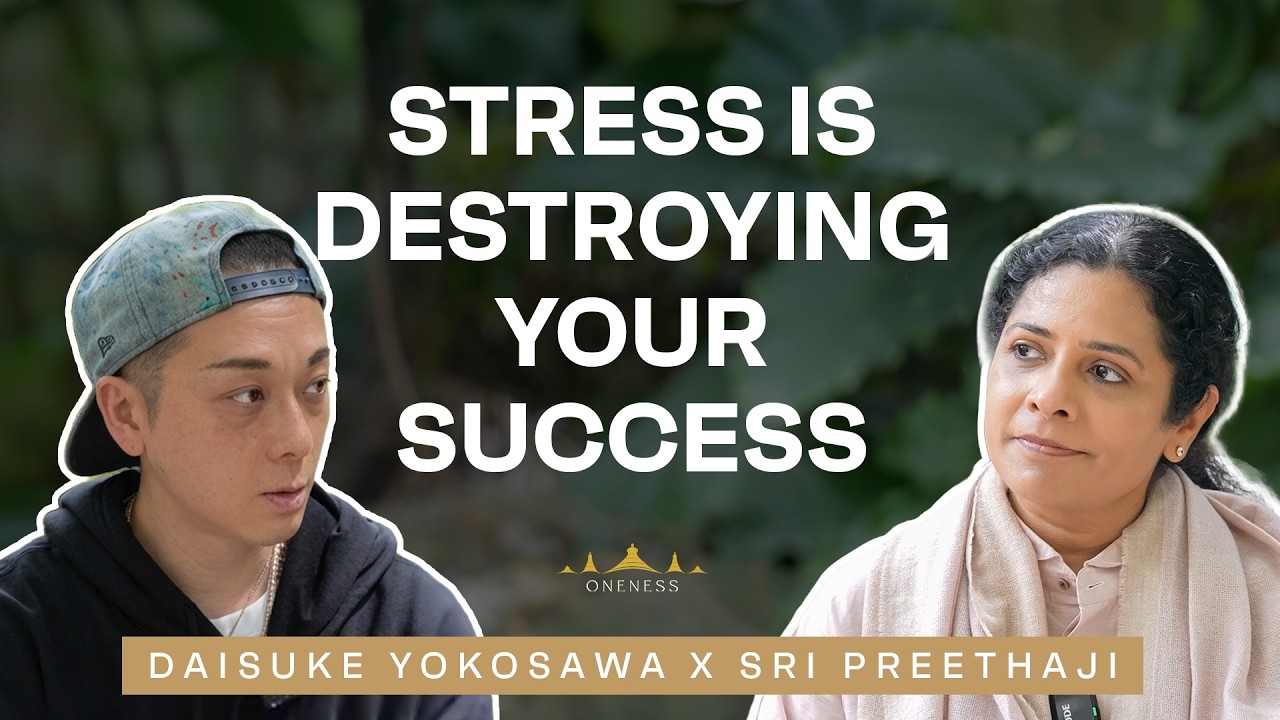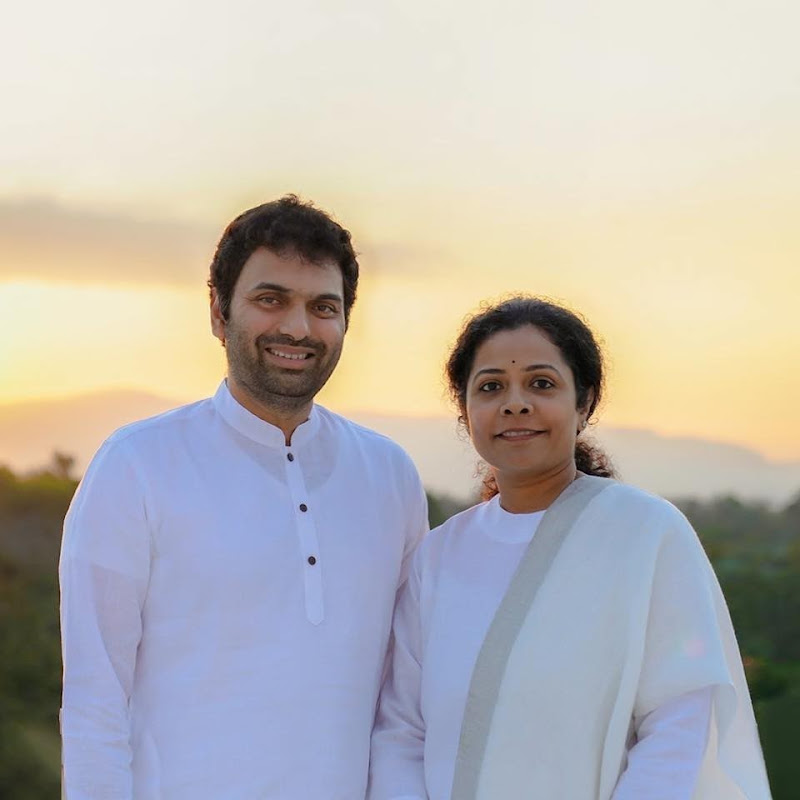
Stress and overwhelm often root in how we perceive struggle and scarcity rather than in external circumstances alone. By shifting our internal state from tension to calm presence, and by recognizing our capacity for connection and love, we can access a flow state where abundance becomes natural. The Oneness Movement teaches that dissolving stress requires both inner awareness practices and a fundamental reorientation toward peace, love, and trust in life's unfolding.
Why Does Stress Feel Like the Default Setting?
Modern life often positions stress as inevitable. Work deadlines, financial pressure, relationship complexity, and health concerns create a baseline of tension that many accept as normal. Yet beneath this acceptance lies a misunderstanding: stress is not primarily a response to external events, but a pattern of internal resistance to what is. When we struggle against reality rather than work with it, we create the very overwhelm we fear.
The Oneness Movement perspective suggests that overwhelm accumulates when we operate from a consciousness of scarcity—the belief that there is not enough time, love, money, or safety. This mindset generates constant vigilance, control-seeking, and a frantic energy that ironically prevents us from accessing the very abundance we pursue. Breaking free from overwhelm, then, begins with recognizing this internal pattern.
What Is the Difference Between Stress and Calm Presence?
Stress operates as a contraction—a tightening of awareness, breath, and nervous system. When stressed, we narrow our focus to threat, loss, and what is missing. Our thinking becomes repetitive and circular, our body tense, and our relationships strained. Calm presence, by contrast, is an expansion. It is the capacity to meet life fully, without needing to contract against it.
Calm presence is not passivity or resignation. Rather, it is a state of alert relaxation in which the nervous system is regulated, the mind is clear, and action flows naturally from inner wisdom rather than fear. When you are calm, you can see solutions that panic obscures. You can access creativity, compassion, and intelligent response. Most importantly, calm presence is learnable—it is not reserved for those with "easy" lives, but available to anyone willing to shift their internal stance.
How Does the Shift From Struggle to Flow Actually Work?
The movement from struggle to flow begins with awareness. Struggle often operates unconsciously; we do not realize we are resisting until we pause and notice the tension in our body, the tightness in our thoughts, or the sense of pushing against the current. The first step is simple: observe the struggle without judgment. What does it feel like? Where do you sense it? What thought or belief underlies it?
Once struggle is visible, the shift becomes possible. Flow emerges when you align your effort with the natural shape of the situation rather than against it. If a door is locked, struggling to force it harder is futile; finding the key or the right door is flow. In life, this often means distinguishing between what is genuinely yours to do and what you are attempting to force. It means trusting timing, releasing the need to control every outcome, and moving with intelligence rather than willpower alone.
This shift is supported by specific practices. Breath work can regulate the nervous system quickly, moving you from a stressed state into calm. Meditation cultivates the awareness needed to notice patterns before they grip you. And perhaps most importantly, practices that awaken love and connection—whether through community, movement, or intentional heart-opening—naturally dissolve the isolation and fear that fuel stress.
Can Stress and Abundance Coexist?
Abundance is often confused with material wealth alone, yet true abundance includes peace of mind, meaningful relationships, creative expression, and a sense of enoughness. A person can be financially wealthy yet feel chronically stressed and spiritually impoverished. Conversely, someone with modest resources can feel genuinely abundant if they experience love, purpose, and trust.
The key insight is this: stress and abundance consciousness are largely incompatible operating modes. When your internal state is contracted, vigilant, and fearful, you cannot access the generosity, openness, and trust that allow abundance to flow. Abundance does not mean everything you want materializes instantly; it means you feel resourced, supported, and capable of meeting life. It means you believe in your own adequacy and in the world's fundamental friendliness.
By dissolving stress—by moving from contraction to expansion, from struggle to flow—you naturally come into alignment with abundance. Your thinking becomes clearer, your intuition sharper, your capacity to recognize and seize genuine opportunities greater. You are less likely to self-sabotage or push away good things out of fear. You attract differently when your vibration shifts.
What Role Does Love and Connection Play?
The Oneness Movement emphasizes that love is not merely an emotion but a fundamental force for healing and transformation. When you feel isolated, disconnected, or unsupported, stress intensifies. Loneliness amplifies fear. But when you experience genuine connection—whether with a community, a practice, or a sense of belonging to something larger than yourself—the nervous system naturally settles. Fear loosens its grip.
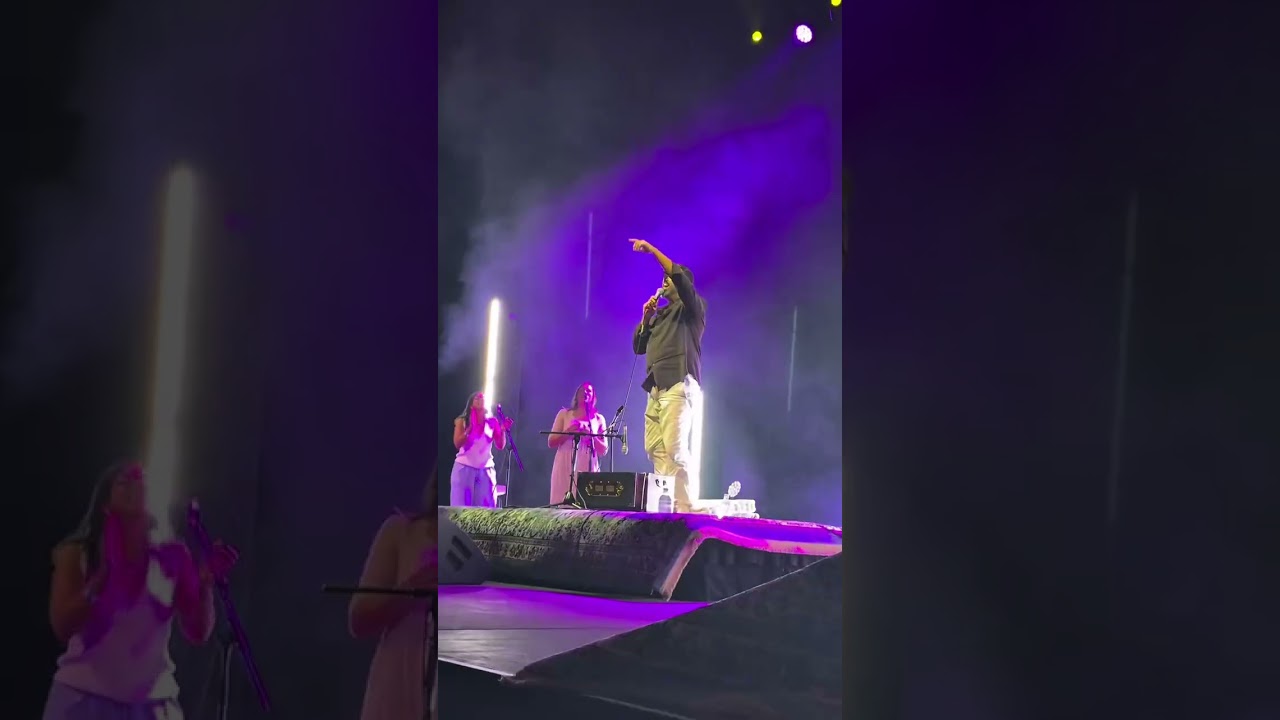
Love-based practices can include joining others in meditation or movement, sharing experiences with a community, or consciously opening the heart through dedicated inner work. When thousands of people practice together with shared intention, as in the kind of global summit the Oneness Movement offers, the collective energy itself becomes supportive. You are not struggling alone; you are held in a field of intention and presence that makes your own shift easier.
How Can You Begin to Dissolve Stress Today?
You do not need to overhaul your life to begin shifting from stress to calm. Small, consistent practices anchor the new consciousness:
- Pause and breathe: When you notice stress, stop. Take five slow, deep breaths, placing your hand on your heart. This simple act signals your nervous system that you are safe and begins to dissolve contraction.
- Name what is real versus what is feared: Stress often conflates what is actually happening with catastrophic stories about what might happen. Distinguish between fact and fear-based projection.
- Find one thing you trust in: Stress thrives in a sense of total uncertainty and lack of support. Identify one person, practice, belief, or reality you genuinely trust. Return to this as an anchor.
- Move your body with presence: Stress lives in a static, contracted state. Movement—whether yoga, walking, dancing, or any embodied practice—helps discharge stress and restore flow.
- Connect intentionally: Reach out to one person with genuine interest. Share something true. Let yourself be seen. Connection is an antidote to the isolation that fuels overwhelm.
Where to Go From Here
The shift from stress to calm, from struggle to abundance, is not a one-time event but an ongoing re-orientation of consciousness. Small daily practices create the conditions for this shift, yet there is also power in diving deeper with community and sustained focus. Participating in structured experiences—whether a retreat, summit, or regular group practice—accelerates the process by immersing you in a field of intention and support that makes internal change more possible. The Oneness Global Summit, for example, is designed as exactly such a container: a three-day intensive that awakens love, peace, and abundance consciousness alongside thousands of other seekers. Even without such a formal program, you can begin today by noticing stress, taking a conscious breath, and choosing one small practice that signals to your nervous system and psyche that calm is possible and worthy.