EveryGetaway

Browse All Retreats

Find your transformative retreat

retreats

Yoga Retreats
Meditation Retreats
Wellness Retreats
Spiritual Retreats
Adventure Retreats
Creative Retreats
Couples Retreats
Detox & Cleanse
Fitness Retreats
Corporate Retreats
Popular Destinations
BaliSedonaLos AngelesCosta RicaNew YorkSan FranciscoAustinMiamiJoshua TreeTulum
View All CategoriesView All Destinations

Explore All Features

Powerful tools to grow your events

Platform Features

Smart Dynamic Pricing
Ticket Categories
Assigned Seating
Abandoned Cart Recovery
Visitor Recovery
Donations & Sliding Scale
Affiliate Engine
Ticket Scanner
Coupon Codes
Custom Questions
Ticket Sharing
Upsells & Add-ons
Analytics & Reporting
Email Sequences
Waitlist / Notify / Remind
People & Places
Retreat LeadersRetreat OrganizersRetreat CentersKnowledge BaseInspiration
View All FeaturesAbout Us
PricingBlog
Language
Saved events
Browse All Events

retreats

Yoga RetreatsMeditation RetreatsWellness RetreatsSpiritual RetreatsAdventure RetreatsCreative RetreatsCouples RetreatsDetox & Cleanse

Popular Destinations

BaliSedonaLos AngelesCosta RicaNew YorkSan Francisco

People & Places

Retreat LeadersRetreat OrganizersRetreat CentersKnowledge BaseInspiration

Platform Features

Smart Dynamic PricingTicket CategoriesAssigned SeatingAbandoned Cart RecoveryVisitor RecoveryDonations & Sliding ScaleAffiliate EngineTicket ScannerCoupon CodesCustom QuestionsTicket SharingUpsells & Add-onsAnalytics & ReportingEmail SequencesWaitlist / Notify / Remind
View All FeaturesAbout Us
PricingBlog
Log inSeekersRetreat leaders
  • Browse All Retreats
  • For Seekers
  • Yoga Retreats
  • Meditation Retreats
  • Wellness Retreats
  • Spiritual Retreats
  • Adventure Retreats
  • Creative Retreats
  • Couples Retreats
  • Detox & Cleanse
  • Fitness Retreats
  • Corporate Retreats
  • Retreats
  • Workshops
  • All Categories →
  • Bali, Indonesia
  • Costa Rica
  • Tulum, Mexico
  • Sedona, Arizona
  • Thailand
  • Portugal
  • India
  • Hawaii
  • Greece
  • Spain
  • California
  • Colorado
  • Sri Lanka
  • Morocco
  • All Cities →
  • For Retreat leaders
  • For Organizations
  • Pricing
  • 500K+ Buyer Network
  • Abandoned Cart Recovery
  • Smart Dynamic Pricing
  • Ticket Categories
  • Recurring Events
  • Assigned Seating
  • Affiliate Engine
  • Waitlist / Notify
  • Ticket Scanner
  • Embed Widget
  • Event Syndication
  • Message Center
  • Integrations
  • Reports
  • All Features →
  • About
  • The Ecosystem
  • Blog
  • Glossary
  • Inspiration
  • Help Center
  • Contact
  • API Docs
  • Brand Assets
  • Careers
  • Press
  • Terms of Service
  • Privacy Policy

Retreats

  • Browse All Retreats
  • For Seekers
  • Yoga Retreats
  • Meditation Retreats
  • Wellness Retreats
  • Spiritual Retreats
  • Adventure Retreats
  • Creative Retreats
  • Couples Retreats
  • Detox & Cleanse
  • Fitness Retreats
  • Corporate Retreats
  • Retreats
  • Workshops
  • All Categories →

Destinations

  • Bali, Indonesia
  • Costa Rica
  • Tulum, Mexico
  • Sedona, Arizona
  • Thailand
  • Portugal
  • India
  • Hawaii
  • Greece
  • Spain
  • California
  • Colorado
  • Sri Lanka
  • Morocco
  • All Cities →

For Retreat leaders

  • For Retreat leaders
  • For Organizations
  • Pricing

Features

  • 500K+ Buyer Network
  • Abandoned Cart Recovery
  • Smart Dynamic Pricing
  • Ticket Categories
  • Recurring Events
  • Assigned Seating
  • Affiliate Engine
  • Waitlist / Notify
  • Ticket Scanner
  • Embed Widget
  • Event Syndication
  • Message Center
  • Integrations
  • Reports
  • All Features →

Company

  • About
  • The Ecosystem
  • Blog
  • Glossary
  • Inspiration
  • Help Center
  • Contact
  • API Docs
  • Brand Assets
  • Careers
  • Press
  • Terms of Service
  • Privacy Policy
EveryGetaway
© 2026 EveryGetaway. All rights reserved.
Inspiration

Indigenous Language Reimagines Eilish's'Birds of a Feather'

Emma Donovan
Emma Donovan
Jul 9, 2026
7 min read
Watch · 5

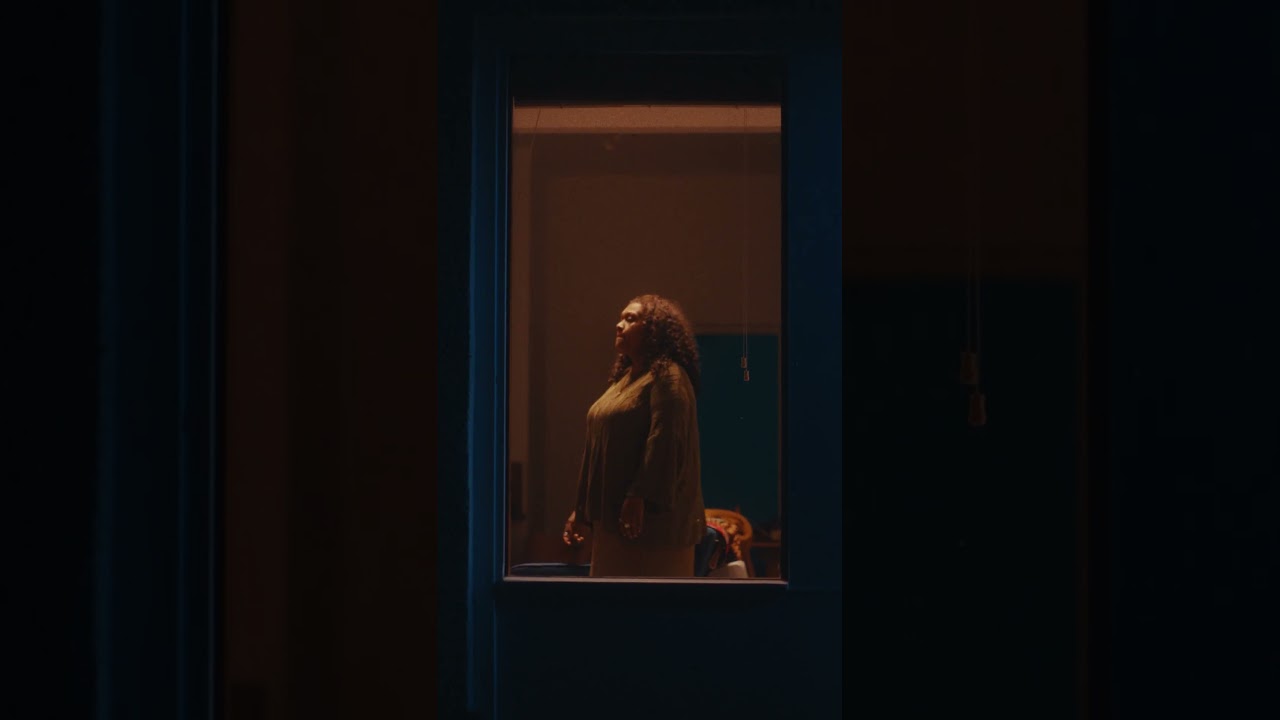
Emma Donovan stands in the triple j Like A Version studio, Drifting Clouds arranged behind her—Declan Kelly on drums, Adam Ventoura on bass, Joshua Needs on guitar, Daniel Pliner on keys, Mi-Kaisha and Tehya Makani on backing vocals. They're about to perform Billie Eilish's "Birds of a Feather," one of the most emotionally direct love songs in contemporary pop. But what unfolds over the next three minutes and fifty-eight seconds is more than a cover: it's a performance that travels between languages, suggesting that devotion—absolute, irrational, all-consuming devotion—speaks in any tongue.

Read · 8 sections

What Makes "Birds of a Feather" Resonate?

Billie Eilish's original song arrives without irony or qualification. The opening line establishes its emotional thesis immediately: "I want you to stay / 'Til I'm in the grave / 'Til I rot away, dead and buried." This isn't vulnerability dressed up carefully for public consumption. It's a raw statement of interdependence, a declaration that the narrator's survival is inseparable from their partner's presence. The song builds through escalating expressions of devotion—"If you go, I'm going too / 'Cause it was always you"—until it reaches the chorus that gives the song its title: "Birds of a feather, we should stick together."

The title references an old axiom about compatibility, but Eilish's version transforms it into something closer to metaphysics. The song suggests that certain beings are bound at a level that precedes choice or reason. They simply belong together, or one cannot survive without the other. This is devotion elevated beyond practical partnership into something almost spiritual—a love so complete it becomes almost indistinguishable from a need to breathe.

How Does the Live Arrangement Change the Song?

For the triple j recording, produced under the direction of Live Music Producer Eileen McDonald Sparks, the song is elevated from Eilish's intimate original production into a full ensemble performance. The band arrangement provides dynamic space—the drums and bass create foundation, the keys and guitar layer in texture, and the backing vocals create depth around Donovan's central performance. The arrangement doesn't overwhelm the song's emotional core; instead, it creates room for that emotion to breathe and develop across its duration.

The structure allows for the song to build in intensity as it progresses. The opening verses sit relatively spare, with Donovan's voice prominent and the band providing minimal accompaniment. As the performance moves through the song, instrumental elements layer in, creating a fuller sound that mirrors the escalation of emotion in Eilish's lyrics. By the time the chorus arrives—"Birds of a feather, we should stick together, I know"—the full ensemble is engaged, giving the declaration maximum weight.

Where Does the Language Shift Occur?

Thirty-eight seconds into the performance, at the moment when the lyrics would traditionally continue in English, something shifts. New language enters: "Djerap ngawerang / Ngalak dandjoo koorul." These phrases appear phonetically in the transcript as sections of Aboriginal Australian language, interspersed throughout the performance. They return multiple times—around the one-minute mark, around the two-and-a-half-minute mark, and in the final moments before the song concludes.

The language sections don't interrupt the performance's flow. They integrate seamlessly into the arrangement, suggesting that these words and sounds have always belonged to the song. There is no pause, no explanation, no moment where the performance stops to contextualize the linguistic shift. The music simply continues, carrying both languages forward simultaneously.

What Happens When Languages Converge in Song?

The decision to include Indigenous Australian language within an Eilish cover creates a particular kind of meaning. On one level, it's a straightforward act of interpretation—an artist performing an established song through their own cultural and linguistic lens. On another level, it raises questions about what remains constant when language changes.

The themes at the heart of "Birds of a Feather"—devotion, commitment, the idea that two beings meant for each other cannot be separated—are not unique to English or to contemporary pop music. These are concepts that exist across human cultures and across centuries of artistic expression. By performing them in another language, particularly a language rooted in this land's history, the performance asserts something: that these emotions are not the property of any single moment or culture.

The absence of translation or explanation is significant. The listener encounters the language shift without mediation. They don't need to understand every word to feel the emotional continuity. A phrase in English about devotion is followed by phrases in another language, and the meaning—the feeling of absolute commitment—persists. This suggests that emotion can exist independent of linguistic comprehension, that the body and voice can communicate across language barriers when the feeling is genuine enough.

Why Does Format Matter for This Kind of Interpretation?

Triple j's Like A Version segment exists specifically to create space for artists to claim established songs as their own. The format is clear: each week, a musician performs one of their own compositions and one cover song they love, recorded live with their band. This structure creates permission for radical reinterpretation. Artists aren't expected to reproduce the original; they're invited to inhabit it, transform it, make it their own.

In this instance, that permission allows Emma Donovan and Drifting Clouds to suggest that an Eilish song—written in 2023, born from a particular moment in contemporary pop—can also exist in relationship with older languages and traditions. The cover doesn't diminish the original; it expands the conversation about what the song can hold and what it can mean.

How Does the Emotional Arc Hold Together?

The performance opens with Eilish's desperation: "I want you to stay." It closes with a moment of reflection that feels earned through the journey of the three-minute-and-fifty-eight-second performance: "I knew you in another life / You had that same look in your eyes." Between these bookends, the song moves through escalating declarations of commitment, passes through sections in Indigenous language, rises to the titular chorus, and ultimately settles into a kind of acceptance.

What's remarkable is how the emotional trajectory remains coherent despite the linguistic shifts. The love doesn't become confused or diluted when the language changes. If anything, the consistent emotional through-line—the unwavering devotion—becomes more apparent when stripped of the specificity of English words. The feeling precedes and transcends language.

What Does This Performance Suggest About Music and Culture?

Music is often understood as a universal language—a cliché, certainly, but one rooted in something true. Yet music always arrives in a specific cultural, linguistic, and historical context. A contemporary pop song written in English carries assumptions and cultural weight distinct from how it might sound in another language, performed by artists with different cultural roots.

This performance suggests that both things can be true simultaneously: a song can belong to its original moment and artist, and it can also be fully claimed and transformed by others. The song doesn't lose its identity when it's performed in another language. Instead, it gains new dimensions. The universality of its emotional core is affirmed precisely by its ability to travel across linguistic and cultural boundaries.

The performance also raises a quiet question about what we lose and what we gain when we move between languages in artistic expression. There's something that exists in the specificity of "I want you to stay"—the vulnerability of English, the contemporary idiom. And there's something different that exists in the Aboriginal Australian language sections—a different resonance, a different historical weight, a different relationship to place and time. The performance doesn't ask which is better or more authentic. It suggests they can coexist, that the same emotional truth can be told in multiple registers.

Where to Go From Here

This three-minute-and-fifty-eight-second performance is available through triple j's Like A Version series. For anyone interested in how contemporary pop music can be reimagined through cultural and linguistic lenses, in how artists use covers to make established songs their own, or in the specific work that happens at the intersection of different languages and traditions, this recording is essential. It's a model for what happens when an artist takes a song that doesn't originate with them and, through the choices they make about arrangement, language, and interpretation, makes it unmistakably their own—not by erasing the original, but by expanding what it can hold.
Comments

Loading the conversation…

Transcript

[0:15] I want you to stay

[0:19] 'Til I'm in the grave

[0:24] 'Til I rot away, dead and buried

[0:29] 'Til I'm in the casket you carry

[0:33] If you go, I'm going too

[0:38] 'Cause it was always you

[0:42] And if I'm turnin' blue, please don't save me

[0:47] Nothing left to lose without my baby

[0:53] Djerap ngawerang

[0:55] Ngalak dandjoo koorul

[0:57] Ngany kaa - ditj

[0:58] Ngany waangki ngany yoowart

[1:01] waba-naadi doombar

[1:02] Yoowart worala walak-yidja

[1:05] Mining yonadji kalya - koorul

[1:07] Mining nidja kalya - koorul

[1:10] Nidja Kwaba-Ngadi

[1:12] Dhunga ngarra nhaku ngarrka ngathi

[1:17] Dhungan ngarra mak yakan ngarra djal nhungu

[1:22] Yaka ngarrany guyangi miridhi, marrkap ngarra

[1:28] Love you 'til the day that I die

[1:33] 'Til the day that I die

[1:38] 'Til the light leaves my eyes

[1:42] 'Til the day that I die

[1:48] I want you to see

[1:52] How you look at me

[1:57] You wouldn't believe if I told ya

[2:02] You would keep the compliments I throw ya

[2:06] But you're so full of shit

[2:11] Tell me it's a bit

[2:15] Say you don't see it, your mind's polluted

[2:21] Say you wanna quit, don't be stupid

[2:27] Dhunga ngarra nhaku ngarrka ngathi

[2:32] Dhungan ngarra mak yakan ngarra djal nhungu

[2:37] Yaka ngarrany guyangi miridhi marrkap ngarra

[2:43] Love you till the day that I die

[2:45] Birds of a feather, we should stick together, I know ('til the day that I die)

[2:50] I said I'd never think I wasn't better alone ('til the light leaves my eyes)

[2:54] Can't change the weather, might not be forever ('til the day I die)

[2:59] But if it's forever, it's even better

[3:04] Djerap ngawerang

[3:05] Ngalak dandjoo koorul

[3:07] Ngany kaa - ditj

[3:09] Ngany waangki ngany yoowart

[3:11] waba-naadi doombar

[3:13] Yoowart worala walak-yidja

[3:16] Mining yonadji kalya - koorul

[3:18] Mining nidja kalya - koorul

[3:20] Nidja Kwaba-Ngadi

[3:23] I knew you in another life

[3:27] You had that same look in your eyes

[3:32] I love you, don't act so surprised

[3:39] Nidja Kwaba-Ngadi

Emma Donovan
ArtistEmma Donovan

Emma Donovan, MA, LPC, LCPC, is a therapist, holistic healer, coach, meditation teacher, and personal growth educator. She is a voracious learner and has completed advanced trainin…

View profileWebsite
Explore Topics
Indigenous-languageMusic-coverBillie-eilishCultural-translationLike-a-version

Got Questions?

Frequently Asked Questions

Like A Version is an Australian radio format where artists perform one of their own original songs and cover a song they love. The performances are recorded live with full band arrangements and released across triple j's platforms and streaming services.
The cover integrates an Aboriginal Australian language throughout several sections, interspersed with the original English lyrics. The language sections flow naturally into the arrangement without explanation, suggesting continuity in emotional meaning across both languages.
The cover maintains the emotional core of Eilish's original—devotion and commitment—while suggesting these themes are universal across cultures and languages. The addition of Indigenous language expands rather than changes the song's meaning.
Emma Donovan performs with Drifting Clouds, featuring Declan Kelly on drums, Adam Ventoura on bass, Joshua Needs on guitar, Daniel Pliner on keys, and backing vocals by Mi-Kaisha and Tehya Makani.
Billie Eilish's 'Birds of a Feather' is a love song about absolute interdependence and devotion, with lyrics expressing a willingness to die for one's partner. The title references the idea that two beings meant for each other should 'stick together.'
The full performance is 3 minutes and 58 seconds long.
Reinterpreting songs through different cultural and linguistic lenses allows artists to expand a song's resonance across communities. The choice suggests universal emotions like devotion and commitment speak every language.

Continue Reading

More from Emma

View All
Soul Music's Paradox: Why We Need Others While Standing Alone
Inspire

Soul Music's Paradox: Why We Need Others While Standing Alone

Soul artist explores a 1970s classic to address the paradox: independence and longing coexist. "Being on your own doesn't mean you don't nee…

1 min read
Soul Reimagined: Emma Donovan's "Do I Need You?"
Inspire

Soul Reimagined: Emma Donovan's "Do I Need You?"

Emma Donovan reclaims Ann Peebles' 1974 soul classic through her lineage as a Gumbaynggirr and Yamatji artist, centering authenticity, Count…

1 min read
Hare Krishna Mantra: Sound as a Path to Inner Awakening
Inspire

Hare Krishna Mantra: Sound as a Path to Inner Awakening

The maha-mantra awakens the heart to its divine nature through transcendental sound. A live kirtan at World Yoga Festival explores mantra as…

1 min read
Om Namo Bhagavate Vasudevaya: Sacred Sound's Power
Inspire

Om Namo Bhagavate Vasudevaya: Sacred Sound's Power

Kirtan artist Radhika Das explores how transcendental sound awakens the heart's divine nature through the transformative power of mantra and…

1 min read

Keep exploring

Continue your journey

More wisdom and gatherings from across the BrightStar directory.

More Articles

Browse the full library of teachings, interviews, and guides.

Back to all articles →

Teachers & Artists

Explore the lineages, musicians, and guides of the conscious world.

Explore artists →

Find an Event

Kirtan, retreats, sound baths, breathwork, festivals — happening soon.

Browse events →