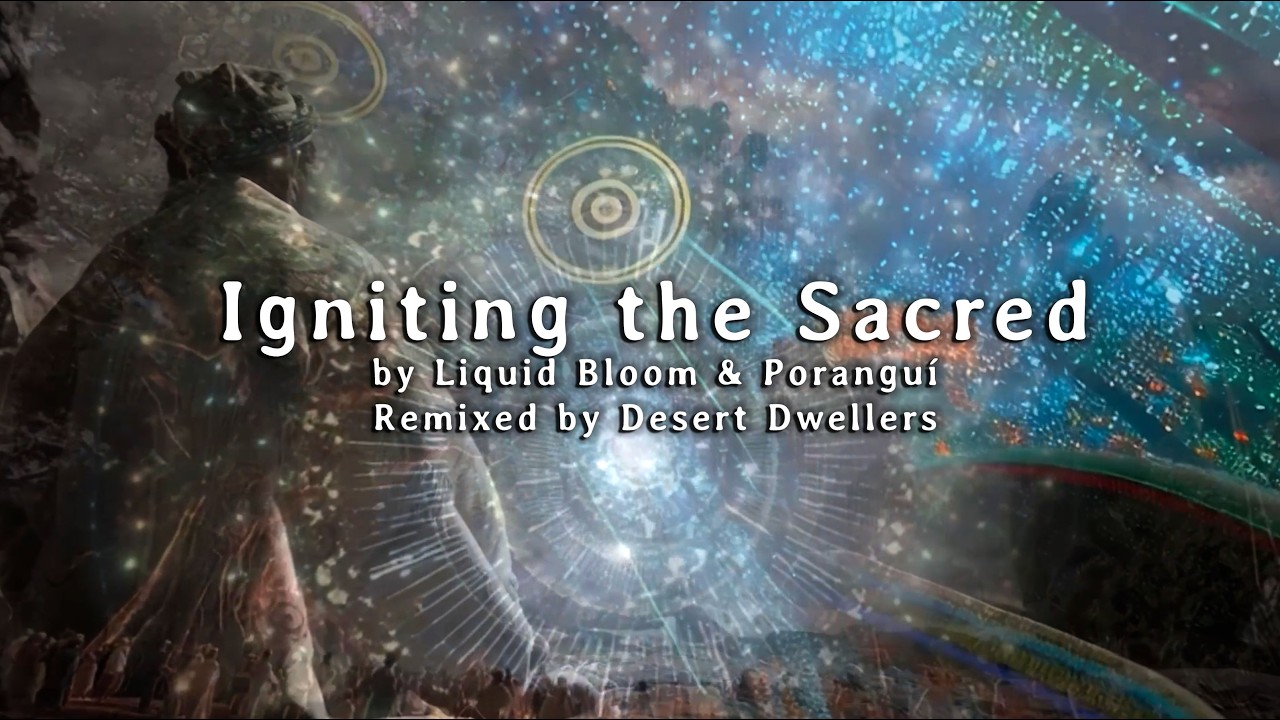
The moon climbed over the Hungarian lake as the AMBYSS stage filled with sound. For two and a half hours at Ozora Festival in 2023, Liquid Bloom—the project centered on artist Amani—wove together the work of over a dozen collaborators into a single continuous thread: a psychedelic journey through downtempo, dub, and bass that functioned less like a DJ set and more like a ceremony. The music that night was neither club nor concert; it was an act of curation that trusted the listener's own metabolism to transform.
A Collaborative Ecology of Sound
Liquid Bloom's approach to live performance reveals something essential about how contemporary electronic music can operate at the margins of rave culture and spiritual practice. The set from Ozora was not built on original production alone, but on a principle of weaving—taking the work of artists including Poranguí, Ixchel Prisma, Deya Dova, PERE, ATYYA, Geometrae, Skysia, Orenda, Basher Toe, Tribone, Nanosphere, and Somatoast, and re-contextualizing it through remix and juxtaposition. The tracklist reads like a genealogy: "Prayer of Protection," "Roots of the Earth," "Preparing the Path," "Return to Source," "The Mycelium is Listening," "Corazon de Gaia."
This is not accidental. The arc from earth to water to ancestral memory to collective heart is the same arc that moves through ceremonial music traditions across cultures—the same shape that shamanic drumming circles follow, now translated into granular synthesis and sub-bass frequencies. The difference is the speaker; the intention remains intact.
How Sound Awakens the Underground Network
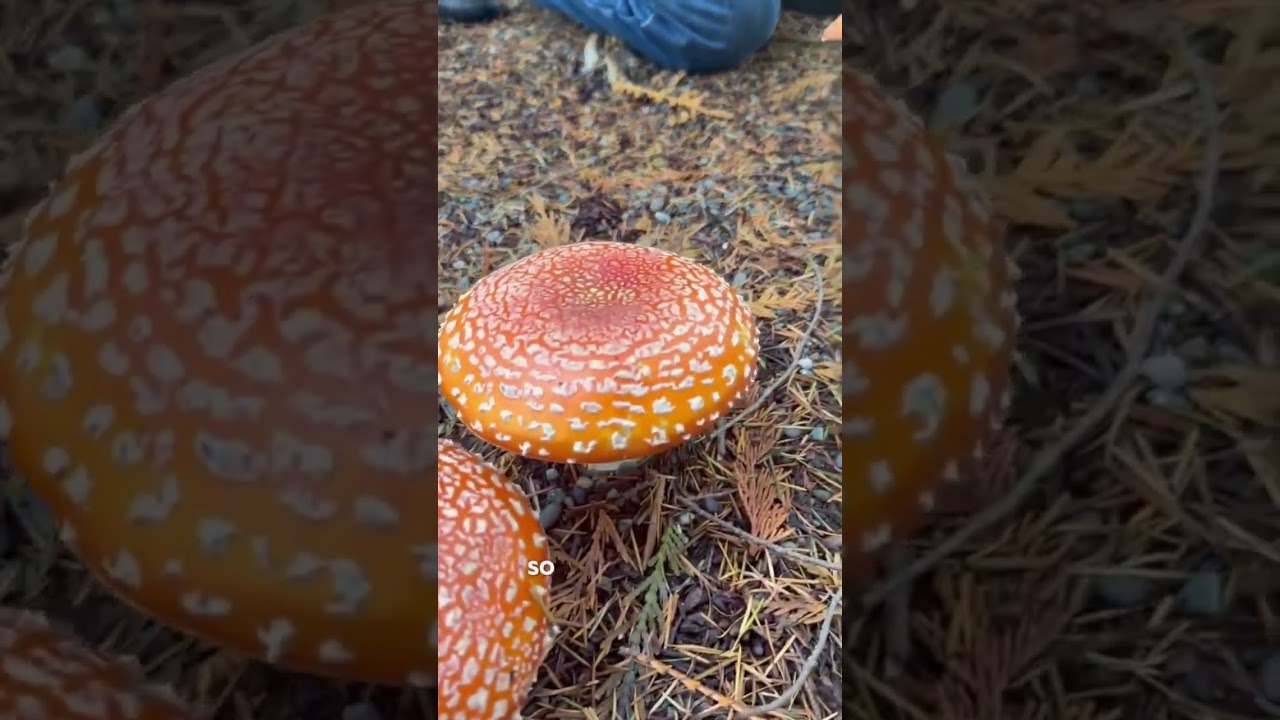
Embedded within the Ozora set, scattered among the instrumental passages, were spoken-word fragments that suggested the philosophical underpinning of Liquid Bloom's work. The clearest articulation came midway through: a meditation on mycelium networks and their relationship to sound. "Throughout all these landscapes are these fine membranes of mycelium with miles under every footstep that you take," the voice intones. "You leave an impression. The mycelium is existential. The mycelium is everywhere."
The passage—drawing on mycologist Paul Stamets' research into fungal networks—positions sound not as abstraction but as ecological intervention. "Lightning stimulates the mushrooms to form from mycelium," the track explains. "Sound stimulates mycelium. When there's a lightning strike, the mycelial networks are electrified." The logic extends backward: "Our prehistoric ancestors, which celebrate nature with drumming, using music, awakens the mycelial networks who are listening all around. In response to mycelial networks, channel nutrients to plants, to the trees, and reward our celebrations with bountifully food."
This is the deep story of why people gather to dance to electronic music at festivals. It is not escapism, though it resembles it. It is a reclamation of an ancient biological conversation—humans using rhythm to speak to the living earth beneath them.
From Earth to Heart
The tracklist's thematic progression unfolds like a ritual. "Prayer of Protection" (featuring Poranguí, with Ryan Herr's remix) opens the container. "Roots of the Earth" (ATYYA remix) anchors the work in soil and foundation. "Fire Gathering," "Preparing the Path," and "Riding Through" build momentum and intention. At the midpoint, "The Mycelium is Listening"—the moment where the set's philosophy becomes audible. From there, the journey moves through the ancestral ("Whispers of Our Ancestors"), the sacred ("Return to Source," "Inner Sanctum," "Peyote Canyon"), and arrives at the collective heart: "Corazon de Gaia," the heart of Earth herself.
The remix structure—each track existing in multiple versions by different artists—adds another layer. A single Liquid Bloom composition passes through the hands of Geometrae, Skysia, Orenda, Basher Toe, each remix a different lens on the same essential idea. This is how oral traditions work: the story is constant; the voice changes.
Electronic Music as Place
What distinguishes this set from thousands of others recorded at festivals is the explicit ceremonial framing. Ozora itself—a transformational festival in Hungary known for its commitment to psychedelic, electronic, and spiritual culture—provides the container, but Liquid Bloom fills it with intention. The duration (2.5 hours), the location (a lakeside stage under moonrise), the selection of collaborators, the thematic arc—these are choices that shape the listener's interior experience as surely as any yoga class or sound bath.
The set succeeds because it never breaks character. There is no sudden pivot to harder techno, no wink at the crowd, no ego in the mixing. The downtempo and dub emphasis throughout keeps the frequency grounded—literally in the bass frequencies that the mycelium passage suggests are active in soil communication. It is music that asks listeners to slow down, to notice their own feet on earth, to consider the fungal network they are literally standing upon.
Where to go from here
For listeners interested in exploring Liquid Bloom's wider catalog, the tracklist serves as a map: artists like Poranguí, PERE, and ATYYA represent the core collaborators whose work appears throughout. The emphasis on downtempo, psychedelic dub, and bass music connects to broader conversations within electronic music about slowing down, deepening listening, and re-enchanting the technological with the ecological. The appearance of Paul Stamets' research in the set suggests an engagement with contemporary mycology and systems thinking—evidence that this is not music made in isolation, but in conversation with real science and real ecological concern. For those seeking ceremonial electronic music with intellectual and spiritual depth, Liquid Bloom's work offers both the sound and the framework to understand why humans have always needed rhythm to speak to the earth.
Liquid Bloom is the world-electronic project of Amani Friend of Desert Dwellers, moving between deep ambient, downtempo and ecstatic dancefloor sound where ancient traditions meet…
Liquid Bloom (Amani) builds sets through collaborative weaving—taking work from multiple artists, remixing and contextualizing them into a single thematic journey rather than a traditional club mix. The Ozora set used over a dozen collaborators, each contributing remixes that became movements in a larger ceremonial arc.
The set includes a spoken passage explaining that mycelium networks respond to sound just as they respond to lightning, and that prehistoric cultures used drumming to activate these networks. The music itself—especially the sub-bass frequencies—is positioned as an ecological intervention, a conversation with living systems beneath the earth.
The Ozora performance emphasizes psychedelic downtempo, dub, and bass—music that moves slowly and deeply rather than driving toward peaks. The low-frequency emphasis throughout reflects the tracklist's focus on grounding, earth connection, and sustained meditative states.
The tracks follow a ceremonial arc: beginning with protection and roots (earth), moving through gathering and preparation, arriving at the mycelium passage (ancestral knowledge), then ascending through sacred experience to the final heart-centered track, 'Corazon de Gaia.' This mirrors the structure of ritual across cultures.
The Ozora set features remixes from over a dozen artists including Poranguí, PERE, ATYYA, Geometrae, Skysia, Orenda, and Basher Toe. Each artist's remix offers a different lens on the same Liquid Bloom compositions, functioning similarly to how oral traditions vary a single story across voices.
The AMBYSS stage at Ozora Festival is positioned lakeside and the set was performed as the moon rose, creating a ceremonial temporal and spatial container. The duration (2.5 hours) and location (under moonlight over water) were integral to the set's impact.
Rather than building toward club peaks and drops, the set sustains a meditative state through consistent downtempo and dub frequencies, spoken passages about ecological consciousness, and a thematic progression that mirrors ritual structures. It invites deep listening rather than ecstatic movement.