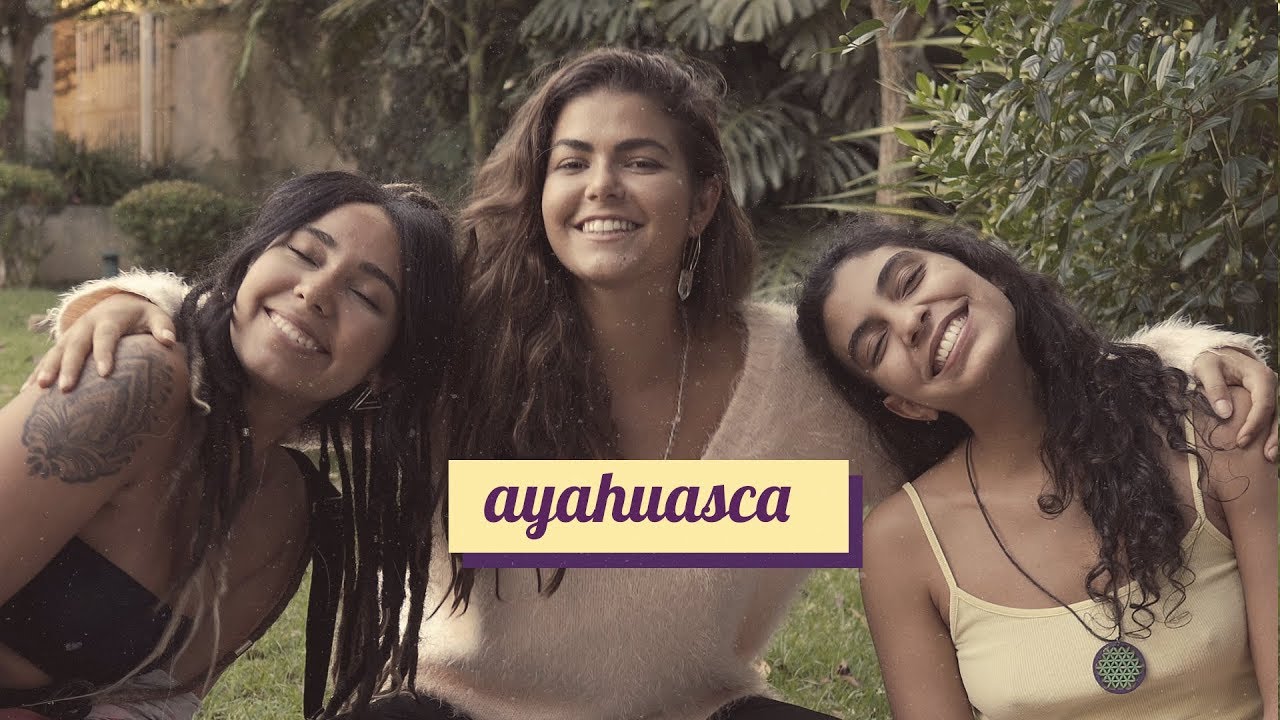
The invitation came from someone with genuine roots—a local guide who saw potential in showing travelers the Hawaii that exists beyond the postcard. Laylä Föz and her friend Luísa Moraleida accepted, stepping into episode 12 of the "Aloha Layla" series with openness and curiosity, ready to discover what "bem raiz" (authentic, grassroots) Hawaiian culture actually looks and feels like when experienced on the island's own terms rather than through a tour operator's script.
The Portuguese phrase used in the episode description—"points bem raiz"—translates to something like "authentic local spots," places that have resisted commercialization and remain genuinely connected to the communities that inhabit them. In Hawaii, where tourism shapes so much of the visible landscape, finding these spaces requires local knowledge and genuine relationships. That's what Föz was after: not another waterfall photo or sunset selfie, but the lived experience of aloha as understood by people who belong there.
The episode captures something many travelers miss—the difference between visiting Hawaii and understanding Hawaii. When someone from the islands takes you somewhere, you're not just seeing a location; you're being invited into a relationship with place, with history, with the people who steward it.
Travel content often centers the vlogger's reaction, the newcomer's wonder. But the real story here is the generosity of the guide himself—someone who took time to share his knowledge and his community with visitors. That act of welcome, of saying "let me show you what matters," is increasingly rare in an age of algorithmically-generated travel itineraries and Instagram location tags.
Luísa Moraleida's decision to join Föz for this particular episode suggests the appeal wasn't the spectacle but the access. When someone you trust invites you somewhere, you bring a different kind of attention. You listen differently. You're more likely to notice what locals notice: the rhythm of daily life, the plants that grow there, the stories embedded in specific corners.
If you're drawn to travel content that prioritizes authenticity over aesthetics, the "Aloha Layla" series documents not just destinations but the relationships that make travel meaningful. The episode published on BrightStar represents a moment—brief but genuine—of cross-cultural encounter built on trust rather than transaction. That distinction matters, especially now.