EveryGetaway

Browse All Retreats

Find your transformative retreat

retreats

Yoga Retreats
Meditation Retreats
Wellness Retreats
Spiritual Retreats
Adventure Retreats
Creative Retreats
Couples Retreats
Detox & Cleanse
Fitness Retreats
Corporate Retreats
Popular Destinations
BaliSedonaLos AngelesCosta RicaNew YorkSan FranciscoAustinMiamiJoshua TreeTulum
View All CategoriesView All Destinations

Explore All Features

Powerful tools to grow your events

Platform Features

Smart Dynamic Pricing
Ticket Categories
Assigned Seating
Abandoned Cart Recovery
Visitor Recovery
Donations & Sliding Scale
Affiliate Engine
Ticket Scanner
Coupon Codes
Custom Questions
Ticket Sharing
Upsells & Add-ons
Analytics & Reporting
Email Sequences
Waitlist / Notify / Remind
People & Places
Retreat LeadersRetreat OrganizersRetreat CentersKnowledge BaseInspiration
View All FeaturesAbout Us
PricingBlog
Language
Saved events
Browse All Events

retreats

Yoga RetreatsMeditation RetreatsWellness RetreatsSpiritual RetreatsAdventure RetreatsCreative RetreatsCouples RetreatsDetox & Cleanse

Popular Destinations

BaliSedonaLos AngelesCosta RicaNew YorkSan Francisco

People & Places

Retreat LeadersRetreat OrganizersRetreat CentersKnowledge BaseInspiration

Platform Features

Smart Dynamic PricingTicket CategoriesAssigned SeatingAbandoned Cart RecoveryVisitor RecoveryDonations & Sliding ScaleAffiliate EngineTicket ScannerCoupon CodesCustom QuestionsTicket SharingUpsells & Add-onsAnalytics & ReportingEmail SequencesWaitlist / Notify / Remind
View All FeaturesAbout Us
PricingBlog
Log inSeekersRetreat leaders
  • Browse All Retreats
  • For Seekers
  • Yoga Retreats
  • Meditation Retreats
  • Wellness Retreats
  • Spiritual Retreats
  • Adventure Retreats
  • Creative Retreats
  • Couples Retreats
  • Detox & Cleanse
  • Fitness Retreats
  • Corporate Retreats
  • Retreats
  • Workshops
  • All Categories →
  • Bali, Indonesia
  • Costa Rica
  • Tulum, Mexico
  • Sedona, Arizona
  • Thailand
  • Portugal
  • India
  • Hawaii
  • Greece
  • Spain
  • California
  • Colorado
  • Sri Lanka
  • Morocco
  • All Cities →
  • For Retreat leaders
  • For Organizations
  • Pricing
  • 500K+ Buyer Network
  • Abandoned Cart Recovery
  • Smart Dynamic Pricing
  • Ticket Categories
  • Recurring Events
  • Assigned Seating
  • Affiliate Engine
  • Waitlist / Notify
  • Ticket Scanner
  • Embed Widget
  • Event Syndication
  • Message Center
  • Integrations
  • Reports
  • All Features →
  • About
  • The Ecosystem
  • Blog
  • Glossary
  • Inspiration
  • Help Center
  • Contact
  • API Docs
  • Brand Assets
  • Careers
  • Press
  • Terms of Service
  • Privacy Policy

Retreats

  • Browse All Retreats
  • For Seekers
  • Yoga Retreats
  • Meditation Retreats
  • Wellness Retreats
  • Spiritual Retreats
  • Adventure Retreats
  • Creative Retreats
  • Couples Retreats
  • Detox & Cleanse
  • Fitness Retreats
  • Corporate Retreats
  • Retreats
  • Workshops
  • All Categories →

Destinations

  • Bali, Indonesia
  • Costa Rica
  • Tulum, Mexico
  • Sedona, Arizona
  • Thailand
  • Portugal
  • India
  • Hawaii
  • Greece
  • Spain
  • California
  • Colorado
  • Sri Lanka
  • Morocco
  • All Cities →

For Retreat leaders

  • For Retreat leaders
  • For Organizations
  • Pricing

Features

  • 500K+ Buyer Network
  • Abandoned Cart Recovery
  • Smart Dynamic Pricing
  • Ticket Categories
  • Recurring Events
  • Assigned Seating
  • Affiliate Engine
  • Waitlist / Notify
  • Ticket Scanner
  • Embed Widget
  • Event Syndication
  • Message Center
  • Integrations
  • Reports
  • All Features →

Company

  • About
  • The Ecosystem
  • Blog
  • Glossary
  • Inspiration
  • Help Center
  • Contact
  • API Docs
  • Brand Assets
  • Careers
  • Press
  • Terms of Service
  • Privacy Policy
EveryGetaway
© 2026 EveryGetaway. All rights reserved.
Inspiration

Radhe Govinda Mantra: Sound,Heart Awakening, and Devotion

Radhika Das
Radhika Das
Jun 6, 2023
7 min read
Watch · 7

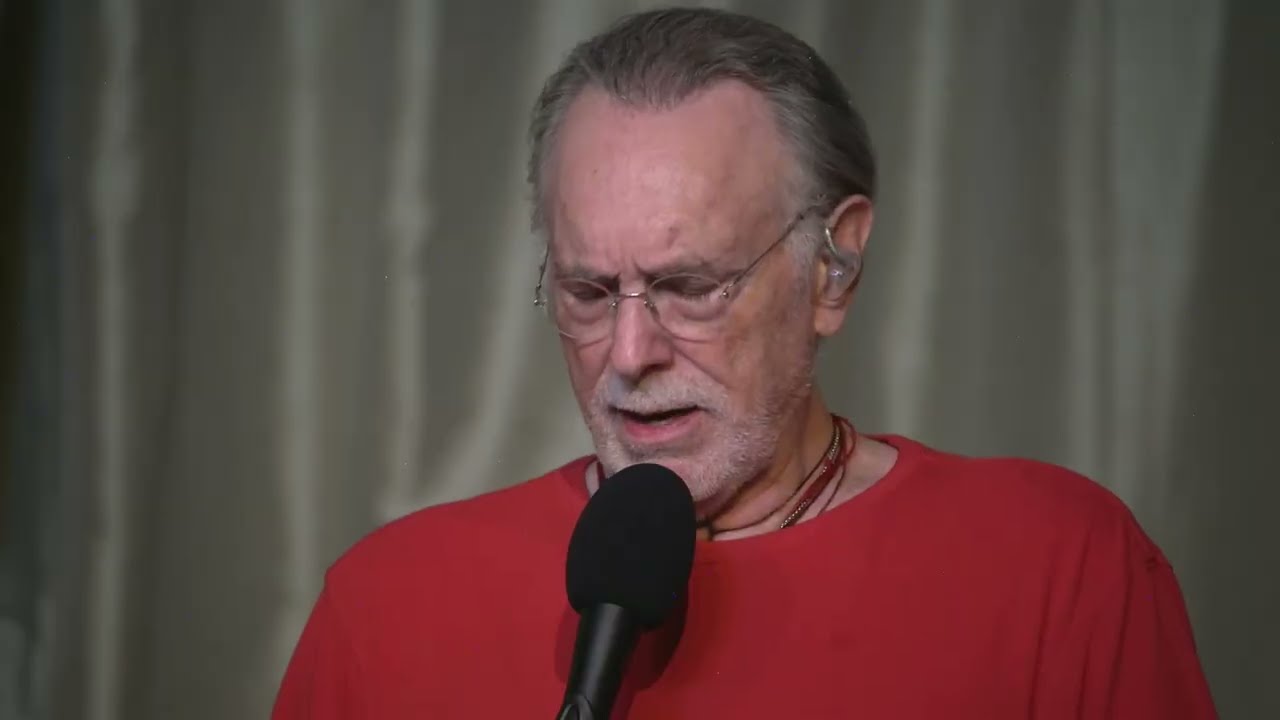
The Radhe Govinda mantra is a sacred sound formula rooted in the Sanskrit word "mantra"—meaning "that which liberates and cleanses the mind." When vibrated repeatedly through kirtan (congregational chanting), this mantra purifies the heart and mind, allowing inherent brilliance to shine into every aspect of life. Performed at Union Chapel in London, this live kirtan demonstrates how transcendental sound—channeled through various spiritual traditions across history—awakens the heart to its divine nature and brings about joy and true inner satisfaction.

Read · 8 sections

What Is a Mantra and How Does It Work?

A mantra is far more than a rhythmic phrase or meditation tool. The Sanskrit word "mantra" itself carries profound meaning: "that which liberates and cleanses the mind." When a sacred sound formula like Radhe Govinda is vibrated repeatedly, it functions as a process of purification—not merely psychological, but spiritual at its root. The heart and mind, through consistent repetition and intention, begin to shift their frequency and resonance.

This practice spans across cultures and spiritual traditions throughout history. Chants, prayers, hymns, and recitation of sacred texts have all served to awaken the inherent spiritual nature within human beings. The Radhe Govinda kirtan exemplifies this universal principle: transcendental sound as a vehicle for awakening consciousness. Unlike secular affirmations or self-help mantras, a mantra rooted in bhakti (devotional practice) carries the weight of centuries of spiritual lineage and the intention of countless practitioners who have resonated these sounds before.

The Heart Awakening and Divine Nature

The specific mantra "Radhe Govinda" is said to awaken the heart to its divine nature. Radha and Govinda (Krishna) represent different aspects of consciousness and devotion in the bhakti tradition—Radha embodying the soul's yearning for the divine, and Govinda representing the divine beloved. When these names are chanted together, the vibration is understood to invoke the relationship between the individual soul and the infinite source.

This awakening is not intellectual. It is felt as joy and true inner satisfaction—a shifting of the heart's orientation from external seeking to internal recognition of divinity. The repeated invocation of these names begins to work on the subtle levels of consciousness, gradually opening channels of perception that may have been obscured or dormant. In this way, the "innate brilliance within" begins to shine out into every aspect of life—relationships, work, creative expression, and presence.

How Does Kirtan Create the Mood for Devotion?

The arrangement of the Radhe Govinda kirtan performed at Union Chapel was inspired by Krishna Das, Pragjibhai Ladva, and Agnideva Das—lineage holders within the kirtan tradition. The structure itself is intentional: the entry to the kirtan consists of joyful free playing and crowd participation, creating a mood that inspires loving devotion.

This is crucial to understanding how kirtan differs from passive listening to chanting. The involvement of the assembled group—clapping hands, swaying, joining voices—creates a collective field of resonance. When individuals come together to vibrate a sacred sound, the effect is exponentially greater than solitary chanting. The momentum builds, the heart opens, and the mind becomes absorbed in the repetition. The musical arrangement, with its piano, double bass, violin, percussion, guitar, and saxophone, provides a sophisticated harmonic container that both honors the ancient tradition and makes it accessible to a contemporary Western audience.

The Role of Musicians and Collective Sound

The performance at Union Chapel brought together multiple skilled musicians and vocalists: Michael Goodey (piano), Rex Horan (double bass), Preetha Narayanan (violin), Abhay Buddhdev (percussion), Keli Woods (guitar/vocals), along with vocalists Ananda Monet, Madhvi Mulji, Nrtya Shekhar, Sai Gadhvi, Daivī-kumārī, Ekadasi, Syamali Buddhdev, and Vik (tabla), plus Tom Duggan (saxophone). Radhika Das led the kirtan as the primary vocalist and guide.

This ensemble approach reflects a fundamental truth about mantra: the power resides not in perfection, but in sincere participation and alignment. Each musician contributes their consciousness and skill to create a unified field of sound. The tabla, an ancient Indian percussion instrument, provides the rhythmic anchor; the Western strings and piano integrate the tradition into a language the London audience could feel resonantly. The result is not a performance "at" the audience, but a shared exploration of transcendental sound in which everyone becomes part of the vibrational field.

Practical Benefits: Karma, Reactions, and Clapping Hands

Within the kirtan itself, there are moments of teaching embedded in the chanting and the interactions with the crowd. The reference to "karma from lifetimes" and the "reaction to all action" touches on a central bhakti philosophy: that through devotional sound and surrender, one can begin to shift patterns that have accumulated over time. The mention of clapping hands—"when you clap your hands together, your karma floating away"—uses the immediate physical action of participation as a metaphor for liberation.

This is not to suggest that a single kirtan session erases all karmic patterns. Rather, it points to the direction of practice: regular, intentional engagement with transcendental sound creates a gradual softening of reactive patterns, a turning toward the heart, and an orientation toward something greater than individual conditioning. The clapping is both literal (a physical expression of joy and participation) and symbolic (a gesture of release, of offering, of surrender).

Why Transcendental Sound Matters in Our Current Age

In an era of constant digital stimulation, background noise, and fragmented attention, the deliberate practice of chanting a sacred mantra stands as a counter-current. The voice is one of the most intimate and powerful instruments we possess. When that voice is aligned with a sacred intention and merged with others in collective sound, something shifts in the nervous system, the heart, and the subtle energy channels of the body.

The Radhe Govinda kirtan is not an escape from the world, but a direct engagement with the world's source. By awakening the heart to its divine nature through repeated invocation, practitioners begin to perceive life differently. The suffering they see around them becomes infused with compassion. The joy they feel becomes more abundant and less dependent on external circumstances. The innate brilliance—often buried under years of conditioning, trauma, and habitual thought patterns—begins to emerge.

The Lineage and Inspiration Behind This Arrangement

The arrangement's inspiration from Krishna Das, Pragjibhai Ladva, and Agnideva Das is significant. Krishna Das is a renowned Western kirtan leader who has spent decades making traditional bhakti accessible to contemporary seekers. Pragjibhai Ladva and Agnideva Das represent other lineage holders within the broader kirtan movement. By naming these sources, Radhika Das honors the transmission—the living practice that flows from teacher to student, from heart to heart, across generations.

This is how spiritual practice survives and thrives: not through rigid preservation, but through living transmission. The Radhe Govinda mantra is ancient, but its arrangement at Union Chapel is contemporary. It bridges the traditional bhakti path with the musical sophistication and cultural context of modern London. This is not dilution or degradation; it is translation, the carrying forward of something vital into new vessels.

Where to Go From Here

If the Radhe Govinda kirtan resonates with you, there are several pathways forward. First, you might engage directly with the mantra through repeated chanting, either in community kirtan settings or in your own practice space. Twenty minutes of unhurried, sincere repetition can begin to shift your internal state. Second, explore the broader bhakti tradition—study the relationships between Radha and Govinda, the philosophy behind mantra, and the teachings of the lineage. Third, seek out live kirtan in your area or participate in online kirtans; the collective field is essential to the full power of the practice. Finally, consider how the principle of transcendental sound might apply beyond kirtan—in prayer, in music, in conscious use of your voice—as a path to awakening the heart to its inherent divine nature.

Comments

Loading the conversation…

Transcript

[0:04] गोविंद

[0:05] [संगीत]

[0:07] गोविंद भजमन

[0:10] राधे राधे

[0:14] गोविंद गोविंद

[0:19] राधे राधे राधे

[0:22] [संगीत]

[0:25] गोविंद

[0:27] गोविंद

[0:29] राधे शी राधे राधे

[0:34] गोविंद गोविंद

[0:38] राधे जय राधे

[0:43] गोविंद गोविंद राधे जय जय राधे राधे

[0:51] गोविंद गोविंद

[0:54] राधे राध राधे गोविंदा

[0:59] [प्रशंसा]

[1:00] गोविंद रा भजमन राधे राधे

[1:07] गोविंदा गोविंद

[1:11] राधे राधे राधे

[1:13] [संगीत]

[1:15] गोविंद गोविंद राध जय जय राधे राधे

[1:23] गोविंद गोविंद

[1:27] राधे ध राधे

[1:36] k इ द वन यू क्लाप र हैंड्स टगे योर

[1:41] कार्मा फम मियस ऑफ लाइफटाइम

[1:45] स्टार्टस ट चेंज द रिएक्शन टू ल ऑ यो एकशन

[1:49] द लाइ न यो हैंड चेंज वन यू क्लाप

[1:52] इनन एंड आईन p ब इय कज इ वा k

[2:03] ल द कार्मा फ्लोटिंग अवे वा वा वा राधे

[2:08] राधे

[2:10] गोविंद गोविंद राधे लेट्स यर लेट्स यर

[2:15] राधे राधे

[2:18] गोविंद गोविंद राधे आज मन राधे राधे

[2:26] गोविंद गोविंद राधे

[2:30] राधे राधे

[2:33] गोविंद गोविंद

[2:37] राधे राधे राधे

[2:41] गोविंद गोविंद

[2:45] राधे राधे राधे

[2:48] गोविंद गोविंद

[2:52] राधे राधे राधे

[2:56] गोविंद गोविंद राधे

[3:00] श्री राधे राधे

[3:04] गोविंद गोविंद

[3:08] राधे राधे राधे

[3:11] गोविंद गोविंद

[3:15] राधे राधे राधे

[3:19] गोविंद गोविंद

[3:22] राधे राधे राधे

[3:27] गोविंद गोविंद राधे

[3:32] हे

[3:34] गोविंद

[3:36] गोविंद जमाना राधे राधे

[3:42] गोविंद गोविंद

[3:44] [प्रशंसा]

[3:45] राधे

[3:46] ध

[3:49] ग

[3:52] गजमान राधे राधे

[3:56] गोविंद

[3:58] गोविंद राधे

[4:01] राधे राधे

[4:03] गोविंद गोविंद रा

[4:12] [प्रशंसा]

[4:16] [संगीत]

[4:18] राधे राधे

[4:28] [संगीत]

[4:40] गोविंदा

[4:46] राधे

[4:51] गोविंद ओ राधे राधे

[4:55] गोविंद गोविंद राधे राधे राधे गोविंद

[5:01] गोविंद राधे जमन राधे राधे

[5:05] गोविंद गोविंद राधे राधे राधे गोविंद

[5:11] गोविंद राधे राधे राधे

[5:15] गोविंद गोविंद राधे राधे राधे गोविंद

[5:21] गोविंद रा जय राधे राधे

[5:25] गोविंद गोविंद राधे राधे राधे गोविंद

[5:31] गोविंद राधे जय राधे राधे

[5:35] गोविंद गोविंद राधे राधे राधे गोविंद

[5:41] ग जय जय राधे राधे

[5:45] गोविंद गोविंद राधे राधे राधे गोविंद

[5:50] गोविंद राधे जय जय राधे राधे गोविंद

[5:55] गोविंद राधे राधे गोविंद

[6:01] [प्रशंसा]

[6:03] राधे

[6:06] गोविंद

[6:08] राधे

[6:10] गोविंद जय

[6:13] राधे

[6:15] गोविंद

[6:17] राधे

[6:20] गोविंद

[6:22] राधे गोविंद

[6:25] [प्रशंसा]

[6:26] [संगीत]

[6:33] रा दिस सा र

[6:37] प्ज क य ड एनी

[6:42] बेर टस हे लेस हे ट्स

[6:46] हे वन मोर वन मोर वन

[6:59] मोर राधे

[7:02] गोविंद

[7:03] राधे

[7:05] गोविंद ओ राधे राधे गोविंद गोविंद राधे

[7:11] राधे राधे गोविंद गोविंद राधे जय जय राधे

[7:15] राधे गोविंद गोविंद राधे राधे राधे गोविंद

[7:20] गोविंद राधे जय जय राधे राधे गोविंद

[7:24] गोविंद

[7:25] राधे राधे गोविंद गोविंद राधे राधे राधे

[7:31] गोविंद गोविंद राधे राधे राधे गोविंद

[7:35] गोविंद राधे ओ गोविंद राधे गोपाल राधे

[7:41] गोविंद राधे गोपाल राधे हो गोविंद राधे

[7:47] गोपाल राधे गोविंद राधे गोपाल राधे गोविंद

[7:53] राधे गोविंद राधे गोविंद राधे गोविंद राधे

[8:00] हो गोविंद राधे गोविंद राधे गोविंद राधे

[8:05] गोविंद राधे

[8:12] गोविंदा

[8:15] [प्रशंसा]

[8:20] गोविंदा आधे

[8:27] [संगीत]

[8:33] अजमन

[8:36] राधे

[8:40] गोविंद

[8:43] राधे

[8:47] गोविंद मन

[8:51] राधे गोविंद

[8:54] [संगीत]

[9:02] बजमा

[9:05] राधे

[9:12] गोविंदे

[9:14] गोविंद

[9:17] आजा

[9:18] राधे गोविंद

[9:31] राधे

[9:33] राधे

[9:34] राधे

[9:36] राधे

[9:38] राधे

[9:40] गोविंद मन मन

[9:43] राधे

[9:45] राधे राधे

[9:49] राधे

[9:50] राधे

[9:53] गोविंद

[9:54] भजमन

[9:56] राधे

[9:57] राधे राधे

[10:01] राधे राधे

[10:07] गोविंद राधे

[10:10] राधे राधे

[10:13] राधे

[10:15] राधे

[10:17] गोविंद

[10:18] भजमन

[10:20] राधे

[10:22] राधे राधे

[10:25] राधे

[10:27] राधे गोविंदा

[10:32] राधे राधे

[10:35] राधे

[10:37] राधे

[10:39] धे

[10:41] गोविंद

[10:43] भजमन राधे

[10:46] राधे राधे

[10:49] राधे

[10:53] राधे भजना राधे

[10:57] राधे राधे

[11:01] राधे राधे

[11:06] गोविंद राधे राधे राधे

[11:12] राधे राधे

[11:16] ग अजमन

[11:19] राधे राधे राधे

[11:23] राधे

[11:25] राधे गोविंद

[11:31] राधे

[11:35] गोविंदा

[11:37] राधे गोविंद आज मन

[11:44] राधे

[11:46] [प्रशंसा]

[11:49] गोविंदा

[11:50] गो

[11:52] जमाना

[11:55] राधे गोविंद

[11:58] [प्रशंसा]

[12:02] गोविंदा

[12:04] भजमन

[12:09] राधे गोविंदा

[12:17] [प्रशंसा]

Radhika Das
ArtistRadhika Das

London-born kirtan singer sharing the devotional practice of Bhakti mantra meditation with audiences worldwide.

View profileWebsite
Explore Topics
Kirtan-chantingMantra-practiceBhakti-yogaTranscendental-soundHeart-awakening

Got Questions?

Frequently Asked Questions

Mantra is a Sanskrit word meaning "that which liberates and cleanses the mind." It refers to a sacred sound formula that is vibrated repeatedly as a process of purifying the heart and mind, allowing innate brilliance to shine into every aspect of life.
The mantra Radhe Govinda invokes the divine names of Radha (the soul's yearning) and Govinda (Krishna, the divine beloved). When vibrated repeatedly with intention and in community, the sound is believed to awaken the heart to its divine nature and bring joy and true inner satisfaction.
Collective kirtan creates an exponentially greater effect than solitary chanting. When individuals come together to vibrate a sacred sound, they generate a unified field of resonance that builds momentum, opens the heart, and absorbs the mind more deeply than solo practice.
According to bhakti philosophy, regular, intentional engagement with transcendental sound creates a gradual softening of reactive patterns and a turning toward the heart. While a single session does not erase all karmic patterns, consistent practice orients consciousness toward liberation and compassion.
While kirtan is rooted in the Hindu bhakti tradition, its essence is the use of transcendental sound to awaken consciousness. People of any faith or no formal religious background can participate, as the focus is on the heart-opening and consciousness-shifting effects of sound rather than doctrinal belief.
Unlike secular affirmations, a mantra rooted in bhakti carries centuries of spiritual lineage, the intention of countless practitioners, and a direct connection to divine consciousness. It is understood as a vehicle for awakening the heart, not simply reprogramming the mind or managing emotions.
The arrangement incorporated Western instruments—piano, strings, guitar, saxophone—alongside traditional tabla, creating a contemporary harmonic container. This is translation, not dilution; it carries the ancient mantra into new cultural contexts while preserving its sacred power.

Continue Reading

More from Radhika

View All
Govinda Jaya: How Sacred Sound Awakens the Heart
Inspire

Govinda Jaya: How Sacred Sound Awakens the Heart

Radhika Das channels the liberating power of mantra through a luminous kirtan performance at Medicine Festival, invoking divine names to pur…

1 min read
Hare Krishna Mantra: Sound as a Path to Inner Awakening
Inspire

Hare Krishna Mantra: Sound as a Path to Inner Awakening

The maha-mantra awakens the heart to its divine nature through transcendental sound. A live kirtan at World Yoga Festival explores mantra as…

1 min read
Hanuman Chalisa: Ancient Mantra Clears Emotional Channels
Inspire

Hanuman Chalisa: Ancient Mantra Clears Emotional Channels

Krishna Das reveals how chanting Hanuman Chalisa unlocks prana flow through the body's subtle channels, transforming stored trauma into spir…

1 min read
Thursday Night Kirtan: Chanting as Spiritual Practice
Inspire

Thursday Night Kirtan: Chanting as Spiritual Practice

A recording from a mountain retreat, Krishna Das guides a live kirtan session—chanting sacred names as a doorway to the heart and collective…

1 min read

Keep exploring

Continue your journey

More wisdom and gatherings from across the BrightStar directory.

More Articles

Browse the full library of teachings, interviews, and guides.

Back to all articles →

Teachers & Artists

Explore the lineages, musicians, and guides of the conscious world.

Explore artists →

Find an Event

Kirtan, retreats, sound baths, breathwork, festivals — happening soon.

Browse events →