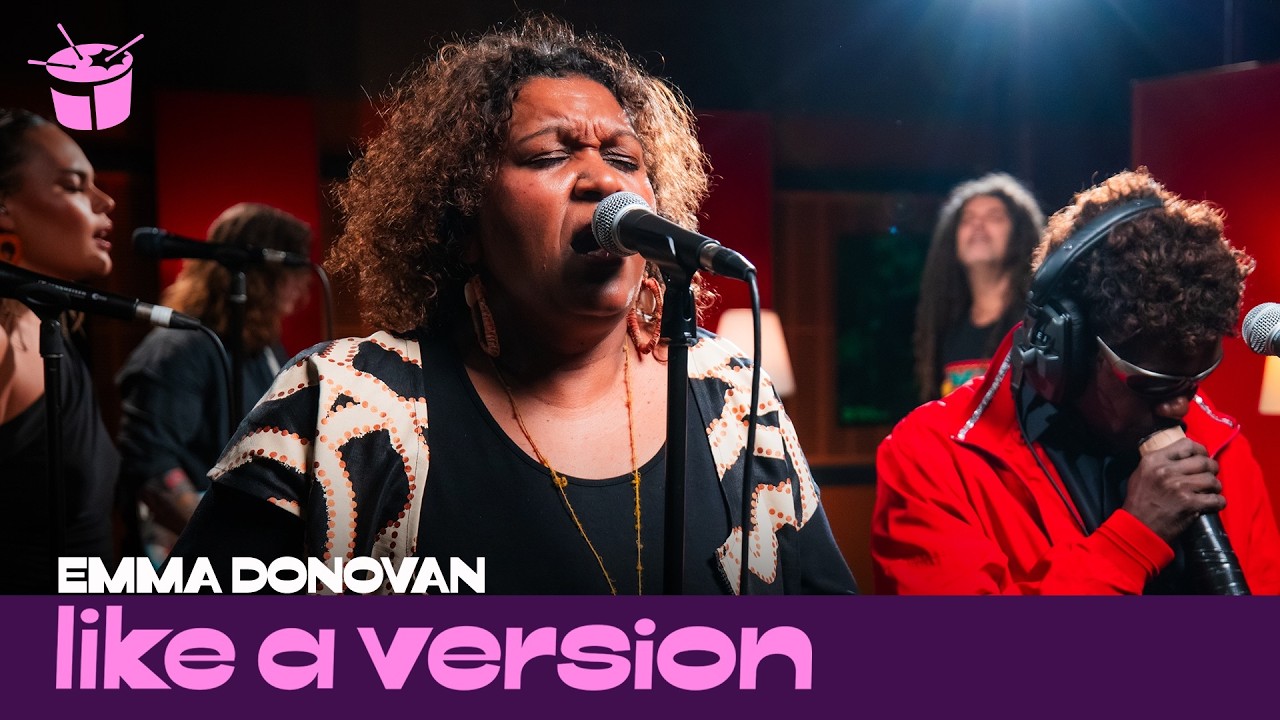
Emma Donovan's voice cuts through acoustic space, intimate and unshakeable—"Take me to the river," the opening words of Al Green's 1974 soul classic, but transformed in her mouth into something both ancient and immediate. The song is a plea for cleansing, a hand reaching for redemption. What unfolds across the four-minute video is a complete reclamation: not a cover that honors the original by imitating it, but one that claims the song's spiritual core and reimagines it through an entirely different cultural and spiritual lens. She is one of Australia's most powerful and beloved voices—a proud Gumbaynggirr and Yamatji artist whose work draws on her family's deep connection to Country and community. In her interpretation, the river becomes not merely a metaphor for spiritual cleansing but a presence, a relationship, a way of knowing and being known that belongs to her ancestral inheritance.
What Country Means in This Song
Country, in Indigenous Australian terms, carries meanings far beyond geography. It encompasses spiritual relationship, ancestral presence, ecological belonging, and collective memory. When Donovan chooses to reimagine "Take Me to the River," she is creating a conversation between two traditions that share a common vocabulary of redemption, belonging, and spiritual ground—the African-American soul tradition and the living spirituality of her Gumbaynggirr and Yamatji heritage.
Al Green's original, released in 1974, is built on a spiritual premise: the river as a place of cleansing, of washing away transgression and harm, of being made new. The lyrics speak to the violence of love, the disorientation of betrayal ("You stole my money and my cigarette"), and the hunger for restoration ("Won't you cleanse my soul? / Put my feet on the ground"). Green sang from within a tradition in which water baptism and spiritual renewal were lived realities, in which the river could literally be walked to in search of grace. Donovan's version carries that same urgency, that same spiritual appetite. But it moves through a different cosmology—one in which Country is alive, in which connection to waterways, land, and ancestral country is not poetic but the foundation of identity, law, and spiritual practice.
How the Spiritual Architecture Works
The song's power depends on the river as both literal and symbolic: a body of water that can literally wash the body, and a threshold where transformation becomes possible. The chorus—"Take me to the river and wash me down / Won't you cleanse my soul? / Put my feet on the ground"—returns repeatedly, each iteration carrying more weight. The phrase "put my feet on the ground" is particularly significant: it speaks to stability, to being rooted, to a return from vertigo to center. Donovan's vocal power in these moments is not technical display; it's the sound of someone calling out for help, for grounding, for a return to wholeness.
In the verses, Donovan inhabits different emotional spaces. The early verses speak to the specific pain of romantic love: "I don't know why I love you like I do / With all the changes that you put me through." Later verses deepen the emotional territory: "I don't know why you treated me so bad / Look at all the things that we could have had / Love is a notion that I can't forget / My sweet 16, I will never regret." There is a shift here from present pain to old wounds, from the injury of a current lover to the scar tissue of youthful devastation. When she sings "16 candles burning on my wall / Here I am, the biggest fool of them all," there is a particular kind of ache that only comes from having actually felt that despair.
These are universal human wounds, which is partly why this song has endured from 1974 to now, why it has been sung countless times by countless artists. But in Donovan's interpretation, there is also something more specific: the weight of Country, of ancestral memory, of a people whose relationship to water, land, and belonging has been violently disrupted and who are, across generations, still calling for cleansing and return.
When Agency Shifts
The final verses move the emotional and spiritual register in a crucial direction. "Going to take myself to the river / Going to walk down to the wind"—the agency shifts. No longer pleading with someone else to facilitate redemption, Donovan's character decides to walk to the river herself. The cleansing will come not from external absolution but from direct relationship with Country, with the river, with the wind, with the ground beneath her feet. This is a quieter kind of power, but no less transformative. It suggests that wholeness is not something to be granted but something to be claimed, that the path to redemption is available to anyone willing to walk it.
The Video as Spiritual Vessel
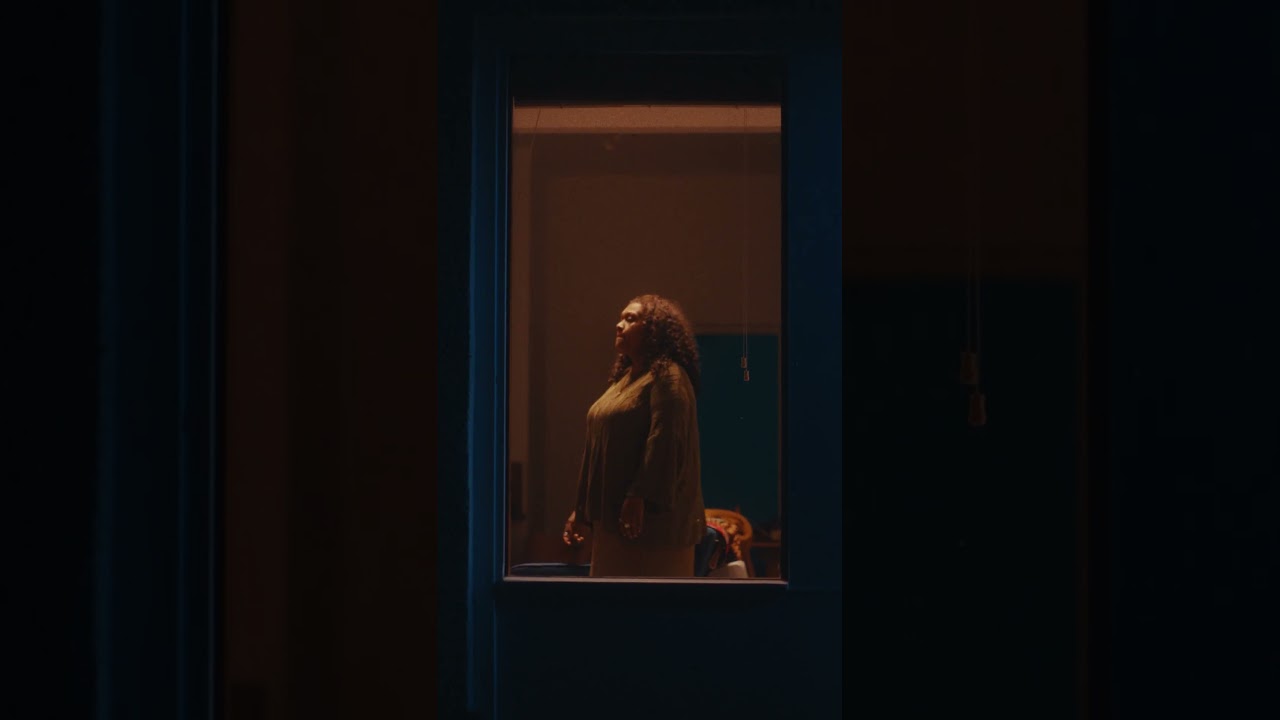
The video production, directed and edited by Claudia Sangiorgi Dalimore with cinematography by Michael Hales, honors this vision through visual restraint and attention to natural space. Engineered and mixed by Ben Edgar, mastered by Lachlan Carrick, the production focuses the listener and viewer on the sound, on Donovan's vocal presence, on the gravity of the moment. There are no distractions, no elaborate staging—just the clarity of a voice calling out, and the implicit answer: this is enough. This is everything.
Part of a Larger Vision
"Take Me to the River" is the first single from Donovan's forthcoming album, due in 2026 via Civilians. The single accompanies her acclaimed live show of the same name, which reimagines soul classics through music, storytelling, and visual art. This is not a one-off reinterpretation; it is the opening gesture of a sustained artistic project. Donovan is signaling an approach to the soul music tradition—a genre that emerges from African-American spiritual practice and contains within it centuries of suffering, resistance, and transcendence—with humility, respect, and the conviction that her own cultural inheritance has something essential to offer in conversation with it.
The genius of this moment is that it does not ask permission. It does not apologize for being in these lineages. It simply walks to the river—the river of soul music, the river of spiritual practice, the river of her own ancestral Country—and claims that belonging as an act of redemption and affirmation.
Where to go from here
The live show "Take Me To The River" continues to develop this vision of reimagining soul classics through music, storytelling, and visual art. The 2026 album will expand these conversations further. For now, the single stands as an invitation: to listen deeply to how redemption sounds when it moves through multiple spiritual lineages at once, to feel the urgency of the plea for cleansing and grounding, to understand that wholeness is both a universal human need and a specifically cultural and ancestral one. The river is calling. It always has been.