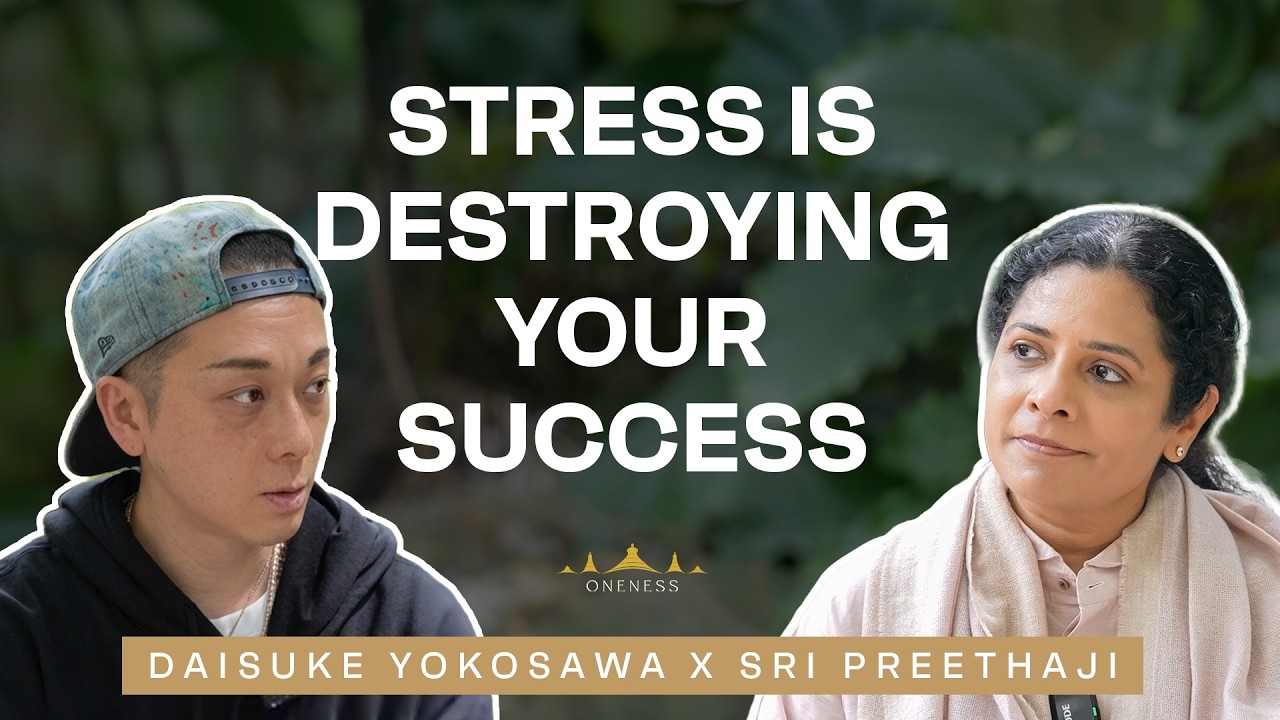
Sri Preethaji teaches that judgment is a mechanical output of the conditioned mind, not an expression of true awareness or consciousness. By understanding the difference between mind-based reactivity and pure awareness, you can step out of the judgment cycle and experience genuine freedom from the suffering it creates. This shift moves you from labeling experiences as "good" or "bad" to simply perceiving what is.
What Is the Root Cause of Judgment?
Most people believe judgment is a natural or even necessary part of thinking. Sri Preethaji points to a deeper truth: judgment is not a function of awareness at all. Instead, it arises from the conditioned mind—the accumulated patterns, beliefs, and memories that create automatic responses to experience.
The conditioned mind operates like software running predetermined programs. When you encounter a person, situation, or idea, the mind instantly compares it against stored patterns and produces a judgment: "This is good," "That is bad," "This person is trustworthy," "That behavior is wrong." These judgments feel real and immediate, but they are mechanical outputs, not reflections of reality or expressions of your deeper consciousness.
This distinction is crucial. The mind judges because it has been programmed to do so through culture, family conditioning, personal history, and belief systems. Awareness, by contrast, is the capacity to simply perceive what is without the overlay of mental categorization.
How Does Conditioning Create Judgment?
Your mind's judgment system is a product of conditioning that began in childhood and continues throughout life. You learn what is "acceptable" or "unacceptable" from your parents, community, religion, media, and social circles. These lessons become embedded as automatic filters through which you interpret all new experience.
Once conditioned, the mind does not engage in fresh perception. Instead, it projects its existing templates onto everything it encounters. A person's accent, appearance, career choice, or lifestyle triggers immediate judgments based on these internalized categories. The mind is not actually seeing the person—it is seeing its own conditioning reflected back.
Sri Preethaji emphasizes that this mechanism is not something you consciously choose in each moment. It happens automatically, which is why the judgments feel so compelling and unchallengeable. You experience them as "truth" rather than as the mind's habitual pattern.
What Is the Difference Between Mind and Awareness?
Understanding the distinction between mind and awareness is the gateway to freedom from judgment. These are not the same thing, though modern culture often collapses them together.
The mind is an instrument of memory, comparison, and categorization. It is time-bound, operating through past experience and future anticipation. When the mind is active, you are lost in thought, narrative, and evaluation.
Awareness, by contrast, is the conscious capacity to perceive in the present moment without judgment. It is the witnessing presence that observes experience as it arises. Awareness does not categorize; it simply knows. When you are truly aware, you can see a person or situation clearly, without the filter of conditioned interpretation.
In practical terms: when you judge someone, you are in the mind. When you simply observe their behavior without labeling them as "good" or "bad," you are in awareness. When you react emotionally to a trigger, that is the mind. When you observe the reaction itself with curiosity and openness, that is awareness.
How Does Judgment Create Suffering?
Sri Preethaji points to a direct link between judgment and suffering. Judgment always carries with it an implicit hierarchy of value: something is "better" or "worse," "right" or "wrong." This hierarchy inevitably creates conflict—both internal and relational.
When you judge yourself, you create internal division. Part of you judges; another part is judged. This split generates shame, guilt, self-doubt, and the constant striving to be "better" or to escape what you perceive as "bad" in yourself. This internal friction is a root source of psychological suffering.
When you judge others, you create relational distance and hostility. You see them through the lens of their perceived failure to meet your mental standards. This blocks genuine connection and compassion. You relate to your image of the person rather than to the person themselves.
Moreover, judgment keeps you trapped in reactivity. Because you are constantly evaluating experience as "good" or "bad," you are constantly resisting what you judge as "bad" and grasping for what you judge as "good." This endless cycle of aversion and craving is exhausting and keeps you from the peace that comes with acceptance of what is.
How Can You Move from Mind to Awareness?
Shifting from the mind's judgment to pure awareness requires practice and a fundamental reorientation of attention. Sri Preethaji's teaching suggests several entry points:
- Notice the judgment without believing it. When a judgment arises—"This person is selfish" or "I am not good enough"—observe it as an object of consciousness rather than as truth. You can witness the judgment happening in your mind without accepting it as fact.
- Return to direct perception. Before your mind labels something as good or bad, can you perceive it freshly? Look at a person, a situation, or even your own thought without the filter of previous categories. What do you actually see, without the mental label?
- Practice non-reactivity. When a judgment triggers an emotional reaction, pause and observe the reaction itself. Do not suppress it; do not act on it. Simply observe the energy of the reaction moving through your body and mind. This gap between stimulus and response is where freedom lives.
- Cultivate curiosity about conditioning. Rather than trying to eliminate judgment, become curious about why your mind judges in this particular way. What belief, fear, or value is driving this specific judgment? Understanding the conditioning removes some of its automatic power.
- Stay present. Judgment always involves comparing the present to the past or to an imagined ideal. Pure awareness is always present-moment awareness. When you anchor your attention fully in what is happening right now—your breath, your senses, the direct experience unfolding—the mind's judgment machinery becomes quiet.
What Changes When You Release Judgment?
As you move from the conditioned mind's judgment to pure awareness, several shifts occur naturally:
First, you experience more peace and ease. Without the constant mental evaluation and the suffering it creates, your nervous system can relax. There is less internal conflict and less reactivity to external circumstances.
Second, your relationships improve. When you relate to people without the filter of judgment, you see them more clearly and connect with them more genuinely. You are more able to respond to what is actually needed rather than reacting from your mental categories.
Third, you become more flexible and creative. The conditioned mind is rigid and predictable; pure awareness is fluid and responsive. When you are not locked into judgment, you can adapt to circumstances and respond freshly to each situation.
Fourth, you experience greater compassion—for yourself and for others. Judgment separates; awareness connects. When you see that others' problematic behavior arises from their own conditioning (just as yours does), compassion becomes natural rather than forced.
Is Discernment the Same as Judgment?
A common question arises: if you stop judging, how do you make decisions and protect yourself from harm? Sri Preethaji's teaching clarifies that discernment is not the same as judgment.
Judgment is evaluative and personal—it assigns moral worth and creates division. "This person is bad" is a judgment that closes off understanding and connection.
Discernment is the clear perception of consequences and qualities without the emotional charge of judgment. "This person's behavior is harmful to me" is a clear observation that can guide action without the personal condemnation. You can see clearly that a boundary is needed, that a choice is unwise, or that a person is not trustworthy—all without judging their essential nature or value.
This distinction allows you to navigate life wisely while remaining free from the suffering that judgment creates. You use your intelligence to make sound decisions without losing yourself in mental evaluation and reactivity.
Where to Go From Here
Sri Preethaji's core insight is that freedom from judgment is not about becoming a "nice" person who accepts everything passively. Rather, it is about operating from a deeper level of consciousness—awareness itself—where you can perceive reality clearly and act wisely without the distortion and suffering that the conditioned mind's judgments create.
Begin by observing your own judgment patterns without judgment. Notice when the mind is evaluating and labeling. Practice dropping the label and perceiving freshly. Spend time in simple presence—walking, breathing, observing—where judgment naturally quiets. Over time, you will find that you can function more effectively, relate more deeply, and live with less unnecessary suffering simply by learning to distinguish between the mind's conditioned patterns and the clear light of pure awareness.