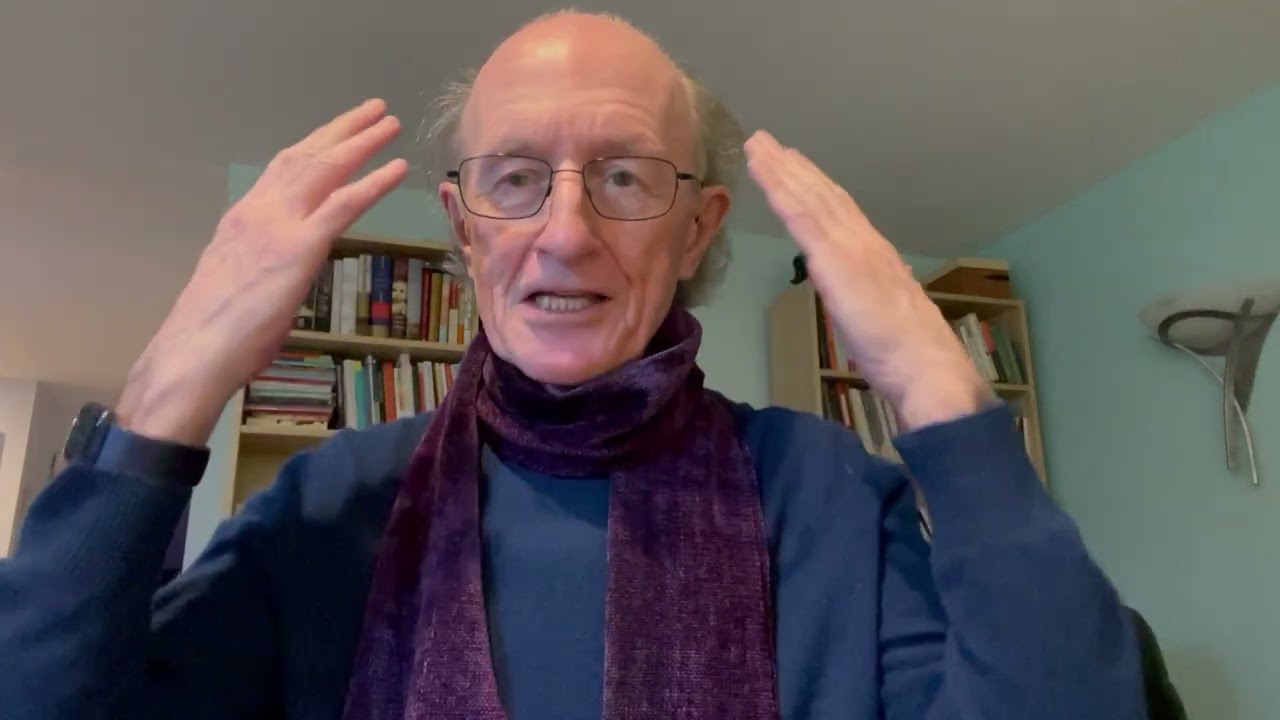
At the Dead Sea, Hugh Byrne recorded a meditation that lasts exactly twenty seconds. Created during a four-day mindfulness-based resilience training for humanitarian staff grappling with the Syrian refugee crisis, the waterfall meditation exists for people who have no luxury of time—those absorbing trauma daily, returning to work shaped by what they've witnessed. It's a practice for extremity, born in an extreme place.
Meditation When Minutes Are All You Have
The briefness is intentional. Humanitarian workers don't need serene forty-minute sits; they need tools that activate resilience in the moment, tools that fit into the actual texture of crisis work—between calls, in a tent, at a desk where weight accumulates. Twenty seconds of guided attention to water, flow, and letting go is enough to create a shift from distraction toward presence.
The context of this meditation is mindfulness-based resilience training—teaching designed for humanitarian workers who have absorbed trauma and witnessed suffering that most of us never carry. They returned to their posts shaken, unsupported by conventional structures. A brief meditation—portable, discreet, meeting people where their time actually lives—responds to this reality.
The waterfall carries symbolic weight in contemplative traditions: water as flow, as cleansing, as the necessity of things moving. To hear it or imagine it for twenty seconds is to shift from the mind's usual grip toward something more permeable, more alive. The fact that this video has lived quietly since 2018 with 187 views suggests it was made not for audiences but for the people who needed it. Its value isn't measured in shares but in whether someone, mid-crisis, could press play and find an opening.
Where to Go From Here
Hugh Byrne's broader work in mindfulness-based resilience training and trauma-informed teaching focuses on bringing systematic practice to people working on the frontlines of human suffering. His commitment to creating accessible tools—like this twenty-second meditation—reflects a growing recognition that contemplative practice isn't supplementary to crisis work. It's essential infrastructure.