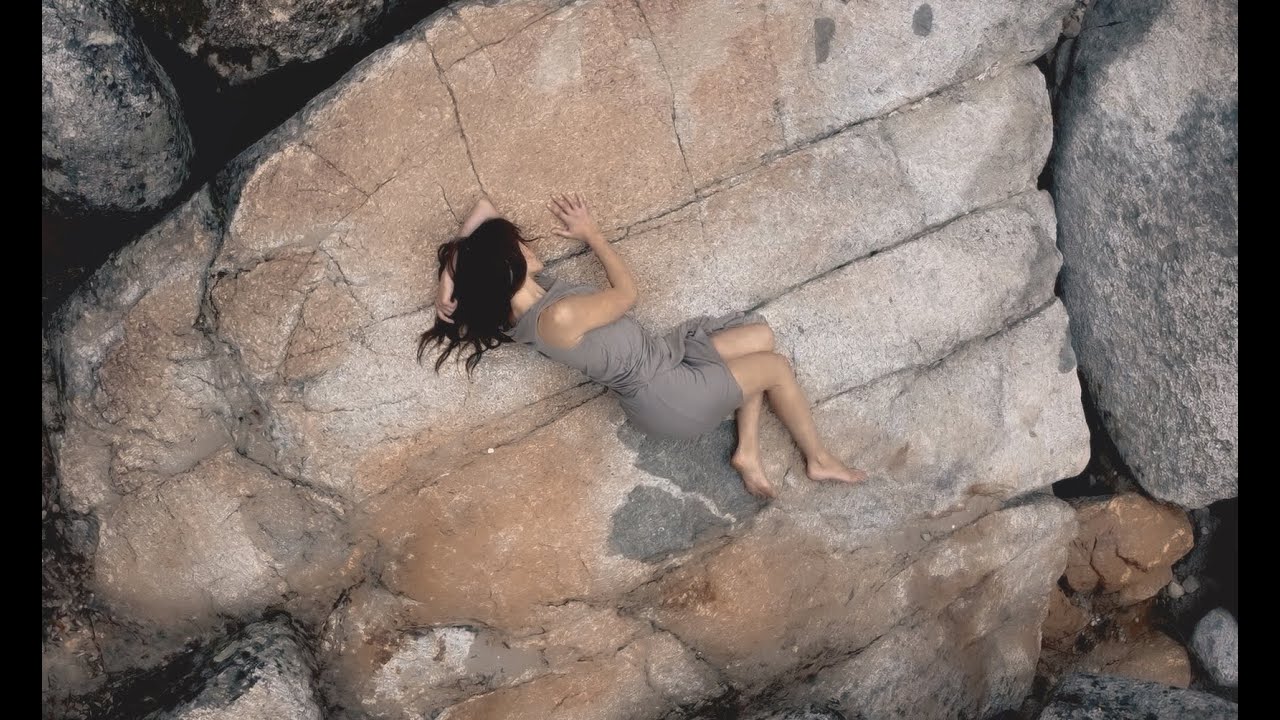
In 2016, a video that would accumulate over 20 million views premiered on YouTube, featuring two voices—Daddy Owen and Rigan Sarkozi—singing in Swahili and Lingala over a gospel groove that felt both ancient and urgent. "Wewe ni Mungu" ("You Are God") is not a new song. It is, in fact, a rendition of a hymn that has been sung, adapted, and reborn countless times across the African continent, each version reflecting the spiritual heritage and linguistic identity of its birthplace.
The hymn originated in Congo, passed hand to hand and voice to voice through decades of devotional practice. When South Africans took hold of it, they shaped it to their own language and musical sensibility. The Kenyans did the same. By the time Daddy Owen and his collaborator Rigan Sarkozi approached "Wewe ni Mungu," it had already become what few songs ever become: a pan-African spiritual property, owned by everyone and no one, belonging to every nation that sang it and to the faith that moved believers to carry it forward.
The song, produced by RKay with a music video directed by Mhando Brian and released under Beats and Blessings Music Group as part of the album Vanity, represents a particular moment in the African gospel tradition—one in which artists were beginning to reclaim and reinterpret the spiritual songs of their ancestors, not as relics but as living, breathing expressions of faith that could evolve with each generation.
The opening moments of "Wewe ni Mungu" feature clean, contemporary production that carries a kind of clarity the 2010s brought to gospel music—simultaneously rooted and modern. But the backbone of the song is older. The chorus—"Ozali eeh / Messiah / Mokano nayo esalema oseeh / Wewe ni Mungu / Usifiwe / Mapenzi yako yafanyike kote"—carries the weight of decades of worship, of voices raised in homes and churches and fields across a continent.
What Does "You Are God" Mean?
"Wewe ni Mungu" translates to "You Are God," a simple declaration that becomes, in the context of the song, something far more complex and tender. The opening verse in Swahili sets the tone: "Na kuishi kwangu niwe / Kulala kwangu niwe / Kuvaa kwangu ni wewe Baba" ("In my living you are / In my sleep you are / In my clothing you are, Father"). The singer is not making an intellectual argument. He is stating a lived reality, the way one might say "you are the air I breathe" or "you are my heartbeat." Life itself belongs to God. Sleep, sustenance, covering—all of it. The intimate language creates an immediate sense of dependency, not as weakness but as the foundation of faith.
The second verse shifts into Lingala, the Bantu language spoken in Congo, introducing another layer to the song's pan-African identity. "Yozali Nzambe ya bolingo / Yozali Nzambe ya boboto" ("You are God of love / You are God of strength"). The song moves between declarations of God's love and God's power, suggesting that true faith holds both. Love without strength can feel fragile; strength without love can feel tyrannical. The song refuses that binary. God is both, and the believer rests in that completeness.
Why This Hymn Resonates Across Borders
What makes "Wewe ni Mungu" significant is not that it is new—it is the opposite. Its power lies in its continuity, in the fact that a Congolese hymn, sung by South Africans, adapted by Kenyans, and now rendered by Daddy Owen and Rigan Sarkozi, can still move listeners to song and prayer. "Wewe ni Mungu" returns to a simpler, older claim: that God is sufficient. That you are not defined by what you own or what you lack. That faith is a practice of surrender, a daily return to the recognition that something larger than yourself holds your life.
The creative team behind this rendition understood something crucial. They did not erase the song's history. They did not strip it of its Lingala or reduce it to a single language. Instead, they held the multilingual tradition as a feature, not a limitation. By including both Swahili and Lingala, by naming the song's Congolese origins in the video description, they were doing something important: they were affirming that African spiritual inheritance belongs across borders, that the hymn singing of one nation can become the hymn singing of another, that God's name is called in many languages and all of them are heard.
The Lingala verses build on this foundation. "Yondeo bikisanga olongolanga napasii" appears to invoke a sense of divine care or provision that flows even when circumstances suggest scarcity. The song's genius is that it does not pretend poverty or suffering away. Instead, it holds them and still says: "Because of your love, I know you will act" ("Kwa mapenzi najua utatenda"). Trust is not denial. It is clarity about where power actually lies. It is the daily recitation of a truth that the senses might not confirm but the spirit knows.
A Song That Refuses Vanity
The album Vanity, on which "Wewe ni Mungu" appears, takes its title from a word heavy with spiritual weight. Vanity—the emptiness of worldly pursuits—is the context in which "Wewe ni Mungu" sings its most radical message. In a world of vanity, where everything passes away, what remains? You are God. You endure. You are the measure. The song invites listeners into a different kind of accounting, a different way of measuring worth and security.
When a song can travel from Congo to South Africa to Kenya and beyond, accumulating millions of views in a single digital rendition, it says something about the portability of genuine faith. This is not a song designed for one market. It is not a track engineered for a particular demographic. It is a hymn that belongs to whoever needs it, in whatever language they speak, in whatever era they find themselves. That is what centuries of African spiritual song have always done—carry meaning across time, hold truth across distance, invite new generations to add their voices to the chorus.
Where to Go From Here
If "Wewe ni Mungu" speaks to you, consider seeking out other African hymn traditions. The journey of a single spiritual song across continents and languages offers a model for how faith travels, how it adapts, and how it remains itself. You might research the history of gospel music in Congo, South Africa, and Kenya—each nation's spiritual tradition carries distinct flavors and histories. The practice of singing, of voicing these declarations aloud, is not incidental to their power. If you find yourself moved by the song, singing it becomes a way of participating in a centuries-old practice of faith that has belonged to your ancestors and your neighbors alike.