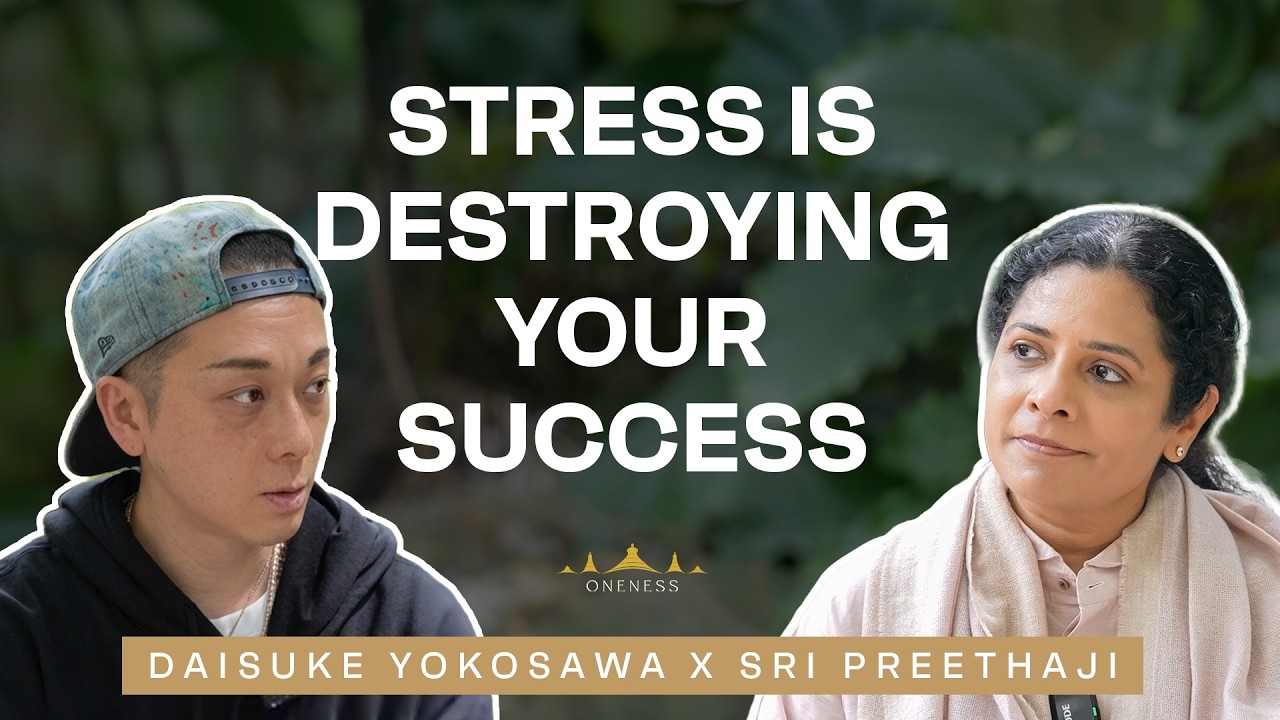
Happiness does not emerge from relentless pursuit of external achievements, relationships, or material gains. Instead, true contentment arises from awakening and cultivating a beautiful inner state—a shift in consciousness that reorients your entire relationship to life. This teaching invites a fundamental reorientation: stop directing all energy outward and begin developing the interior conditions necessary for genuine fulfillment.
Why Chasing the World Leaves You Empty
Most people spend their lives in constant pursuit. They chase career advancement, financial security, romantic partnerships, social status, and material possessions. The logic seems sound: acquire the right external circumstances and happiness will follow. Yet despite achieving many of these external goals, millions report feeling unfulfilled, anxious, or hollow.
This contradiction points to a fundamental misunderstanding about where happiness originates. When all your energy is directed outward—toward acquisition, achievement, or the approval of others—you neglect the interior landscape where lasting contentment actually dwells. The external world is inherently unstable. Markets fluctuate, relationships change, bodies age, and circumstances shift. Building your entire sense of well-being on such unstable ground guarantees suffering.
The teaching suggests that the reason so many remain unhappy is not that they haven't worked hard enough, earned enough, or found the right person. Rather, they have never learned to awaken and develop the inner state that is independent of external conditions. This is not pessimism about the world; rather, it is realistic clarity about what the world can and cannot deliver.
What Does "Awakening a Beautiful State Within" Mean?
Awakening an inner state refers to a shift in consciousness—a direct experience of your being that exists independently of circumstances. This is not positivity thinking or forced optimism. It is a genuine activation of capacities that already exist within you but remain dormant or unconscious.
In contemplative traditions, this inner state has many names: presence, awareness, being, consciousness itself. What matters is not the terminology but the lived experience. When you awaken this state, several things shift simultaneously:
- Perception changes. The same events, people, and situations appear differently when perceived from a grounded, awake consciousness rather than from fear or grasping.
- Emotional resilience develops. A beautiful inner state is not dependent on favorable circumstances. It can remain stable even when external conditions are difficult.
- Relationships deepen. When you are not desperate for external validation, you can meet others with genuine presence rather than neediness.
- Decision-making clarifies. From a grounded state, choices arise from wisdom and alignment rather than desperation or conditioning.
This awakening is not achieved through more thinking, planning, or doing. In fact, these activities often obscure the inner state. Awakening happens through conscious attention, inquiry, meditation, or other practices that quiet the mind and allow a deeper dimension of being to emerge.
The Shift from External Focus to Inner Development
The teaching does not suggest abandoning the external world or becoming passive. Rather, it proposes a radical reordering of priorities. Instead of asking "What do I need to acquire or achieve next?" the question becomes "What inner state do I need to cultivate?"
This shift changes everything. When your primary focus is on developing presence, peace, joy, and love within yourself, paradoxically, your external life often improves. Not because you are desperately chasing it, but because:
- You make clearer decisions from a grounded state.
- Others respond to your genuine presence rather than your desperation.
- You develop resilience that allows you to navigate challenges effectively.
- You stop wasting energy on pursuits that don't actually align with your deeper nature.
The practical implication is simple but profound: dedicate time, energy, and attention to awakening and maintaining your inner state. This might look like daily meditation, time in nature, conscious reflection, or practices that help you contact presence directly. This is not indulgence; it is the most practical investment you can make in your own well-being and effectiveness.
What Does a Life of Abundance Look Like?
The teaching points toward abundance in multiple dimensions: wealth, joy, love, and peace. Note that these are not presented as conflicting goods. A person can be materially secure, emotionally joyful, relationally connected, and internally peaceful—all simultaneously. However, the sequence matters. If you chase wealth, joy, love, and peace in that order (expecting external gains to produce inner states), you will likely remain frustrated.
If you reverse the sequence—beginning with the cultivation of internal peace and joy—these states become the foundation from which you engage with the world. From this foundation, abundance in other dimensions often follows more naturally. You make better financial decisions. You create and attract more genuine relationships. You feel less driven by lack and more aligned with your deeper purpose.
This is not magical thinking. It is simple cause and effect. A person operating from grounded awareness tends to be more effective, more ethical, and more attractive to others than a person driven by desperation or unconscious patterns. The inner state becomes the basis for a genuinely abundant life.
Practical First Steps Toward Awakening
The teaching ends with an invitation: "Take your first step toward real happiness." This suggests that awakening is available to you now, through concrete actions:
- Stop for a moment each day. Step out of the constant doing. Sit quietly for even five minutes. Allow your being to register itself without the overlay of thought and planning.
- Notice the difference between pursuing and resting in your nature. Observe the quality of your consciousness when you are in high gear versus when you are genuinely at ease. This observation itself is awakening.
- Ask yourself: "What am I really looking for?" Beneath all external pursuits lies a deeper longing—often for peace, belonging, or wholeness. Direct your attention there.
- Engage with practices that cultivate presence. Whether meditation, contemplative prayer, movement, or time in nature, find a practice that helps you contact a state beyond thought.
- Surround yourself with support. Seek out teachers, communities, or resources that help you maintain and deepen the awakening process. The teaching itself comes from the Oneness Movement, which offers structured pathways for this kind of inner development.
Where to Go From Here
The central claim of this teaching is testable in your own experience. Pay attention over the next week to the difference between moments when you are caught in external pursuits and moments when you rest in a simple awareness of being. Notice the quality of happiness, clarity, and peace that is available in each mode. This direct observation is far more valuable than any intellectual agreement with the idea.
If you recognize the pattern—that chasing the world leaves you empty—the next step is to experiment with its alternative. Begin or deepen a practice that develops your inner state. Notice what shifts in your perception, your relationships, and your life as you do this. The teaching promises that awakening to life itself, rather than chasing external versions of happiness, is not only more fulfilling—it is the actual basis for a genuinely abundant existence.