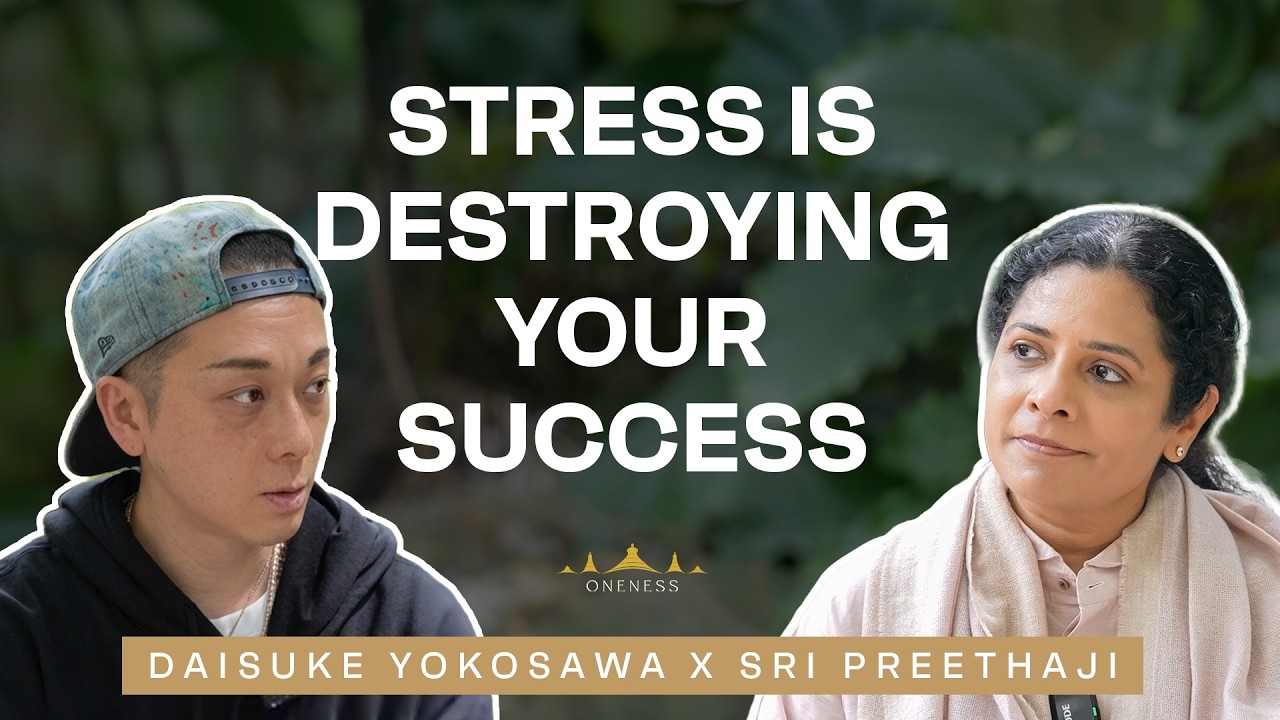
Work-life balance is not about dividing time equally between work and personal life, but about creating harmony where both dimensions support your overall well-being and consciousness. Rather than viewing work and life as separate domains, the Oneness Movement teaches that integration—where your work reflects your values and your personal practice sustains your effectiveness—creates genuine balance and reduces the internal conflict that arises from compartmentalization.
What Is Work-Life Balance Beyond Time Management?
The conventional approach to work-life balance treats it as a math problem: allocate eight hours to work, eight hours to rest, and eight hours to sleep. However, this mechanical view misses the deeper issue. Work-life balance is fundamentally about alignment between your actions, values, and inner state. When work feels disconnected from your sense of purpose, no amount of "free time" will restore balance because the conflict exists at the level of consciousness itself.
The Oneness Movement emphasizes that true balance emerges when your professional activities are not just financially necessary but genuinely aligned with who you are becoming. This doesn't mean your job must be your passion—rather, it means approaching work with awareness and integrity, so that even routine tasks don't drain your essential energy or violate your values. When this alignment exists, work stops feeling like a drain on your personal life and becomes part of a coherent whole.
How Does Internal Conflict Create the Balance Problem?
Many people experience work as a perpetual sacrifice of their "real self" for economic survival. This creates a split: the professional persona you present differs radically from who you are in personal time. This internal division is exhausting—more exhausting than the actual hours worked. You're not just managing time; you're managing a fundamental contradiction in how you're living.
The Oneness Movement suggests that this conflict arises when there's no conscious integration between professional and personal dimensions. You're not bringing awareness and intention to work, so it feels like something happening to you rather than something you're actively choosing. Conversely, your personal practice may lack the discipline and clarity that would make it genuinely restorative. Both become reactive rather than conscious.
What Role Does Daily Practice Play in Sustaining Balance?
Work-life balance cannot be sustained without a personal practice—whether meditation, contemplation, movement, or another form of conscious engagement with yourself. A practice serves three functions: it anchors your sense of self outside of work outcomes, it creates a container for processing the stress and complexity of professional life, and it clarifies your values so you can make choices aligned with who you are.
Without this anchor, work easily becomes the default identity and source of meaning. When work is your only measure of worth, imbalance is inevitable because no job satisfies existential needs. A practice reminds you that you are more than your professional role and that your essential well-being doesn't depend on career success. This paradoxically often improves your work performance because you're no longer operating from desperation or fear of inadequacy.
How Can You Bring Consciousness to Professional Responsibilities?
The Oneness Movement teaches that you can transform work itself by bringing conscious attention to it. This means: being fully present during work hours rather than mentally checking out or resenting the time; making choices based on your actual values rather than external pressure or habit; maintaining integrity in your professional dealings even when it's inconvenient; and recognizing that work, like any activity, is an opportunity to develop awareness and skill.
Consciousness in work doesn't require becoming a monk or rejecting ambition. It means noticing when you're acting out of fear versus clarity, when you're people-pleasing versus making genuine commitments, when you're numb versus engaged. This awareness gradually allows you to reshape how you work—setting boundaries, declining tasks that violate your values, and channeling your energy toward contributions that feel meaningful.
Why Does Compartmentalization Fail as a Strategy?
Many people attempt balance by rigidly separating work and personal life: "I leave work at 5pm" or "weekends are sacred." While boundaries are important, pure compartmentalization often fails because it treats the fundamental split as normal. Your nervous system doesn't reset because the underlying conflict—that part of you is not being lived—remains active even during personal time.
Moreover, compartmentalization prevents integration. The skills, awareness, and values developed in your personal practice have no place in work, and professional growth remains disconnected from your spiritual or personal development. This reinforces the sense that you're living multiple lives rather than one coherent life. True balance emerges from integration: bringing your conscious attention, values, and presence into work, and using personal practice to sustain that consciousness.
What Happens When Work Becomes Unsustainable?
If you find yourself burned out, unable to focus, or bringing work stress into personal time despite good boundaries, it may signal that the imbalance exists at the consciousness level, not the schedule level. This is not a failure of willpower or time management—it's an indication that work has become fundamentally misaligned with your values or that you lack sufficient personal practice to sustain conscious engagement.
At this point, deeper questions become necessary: Are you using work primarily as escape from something you don't want to feel? Are you seeking worth through achievement because you lack an inner sense of being enough? Is your personal practice actually nourishing, or is it just another item on a to-do list? These questions point toward genuine solutions—not different scheduling, but actual shifts in how you relate to work and how you sustain yourself through practice.
How Does Consciousness Transform Your Relationship With Productivity?
A counterintuitive aspect of work-life balance is that conscious engagement with work often increases productivity and reduces the number of hours needed to accomplish meaningful work. When you're fully present and aligned with your actions, you're not leaking energy through resentment, distraction, or self-doubt. You make fewer mistakes, make decisions more quickly, and naturally prioritize what matters.
This means that actual balance may involve working fewer hours, not because of strict time management but because each hour is more effective. The Oneness Movement suggests that the exhaustion people report from "too much work" often reflects the exhaustion of resistance and disconnection more than the exhaustion of genuine effort. When you stop fighting against what you're doing, the load becomes lighter even if the hours remain the same.
Where to Go From Here
To move toward genuine work-life balance, begin with your personal practice. Establish a consistent engagement—whether meditation, journaling, movement, or another form of conscious inquiry—that anchors you outside of work identity and outcomes. From this foundation, bring increased awareness to how you work: notice your motivations, your habitual reactions, the moments when you're present versus absent. Finally, examine your work choices: are they serving something you value, or are you operating from habit and financial necessity? Small shifts in consciousness often create more substantial balance than major schedule overhauls.