The Oneness Generation Winter Camp 2025 is a 10-day residential retreat designed for teenagers and young adults ages 12–20, running from December 23, 2025 through January 1, 2026 at Ekam in India. The program integrates daily yoga and meditation practices, outdoor nature immersion, spiritual teachings from Sri Krishnaji, cultural engagement with local communities, and peer-based emotional development—creating what organizers describe as a "reset" for the mind, body, and spirit as participants transition into the new year.
The winter camp structure reflects a growing shift in how spiritual instruction reaches younger generations. Rather than isolating contemplative practice in a monastery or ashram, the camp weaves together four core experiential pillars: formal practice (yoga and meditation), direct nature encounter, mentorship from established teachers, and peer community building. This multi-track approach acknowledges that adolescents and young adults develop resilience and clarity through varied inputs—not doctrine alone, but embodied experience, relational connection, and environmental exposure.
The inclusion of "nature treks and outdoor adventures" as a standalone component suggests recognition that ecological contact serves a developmental function during the teenage years. Research on outdoor-based youth programming consistently shows that time in natural environments correlates with reduced anxiety, improved attention, and stronger sense of agency. For a generation growing up primarily indoors and screen-mediated, even brief daily immersion in unmediated landscape can recalibrate the nervous system.
The camp designates "yoga and meditation for inner peace and balance" as the first listed offering. This positioning signals that these practices are foundational, not supplementary. In the context of ages 12–20—a period marked by hormonal shifts, identity formation, and often heightened emotional intensity—consistent yoga and meditation practice offers tangible tools for what practitioners call "nervous system regulation."
Yoga for this age group typically emphasizes breath awareness, somatic grounding, and functional strength rather than advanced postures. Meditation instruction at teen camps often begins with simple focus techniques (tracking the breath, body scans) before introducing more subtle awareness practices. The stated aim of "inner peace and balance" aligns with how contemplative teachers describe meditation's effect: not suppression of emotion, but clearer relationship to one's own mental and physical states.
The curriculum explicitly lists "community engagement with local tribes and cultural immersion" as a distinct module. This signals that the camp is not a youth-only bubble, but intentionally creates cross-cultural encounter. For teenagers accustomed to homogeneous peer groups and digital networks, direct engagement with people from different socioeconomic and cultural contexts can expand perspective and challenge assumptions in ways that classroom education rarely does.
Held at Ekam in India—a established spiritual center—the camp likely provides structured opportunities for youth participants to learn from elders in neighboring communities, participate in local practices or festivals, or engage in service activities alongside their own retreat work. This model reflects a developmental understanding that young people integrate abstract values (compassion, interconnection, humility) most durably through lived encounter, not lecture.
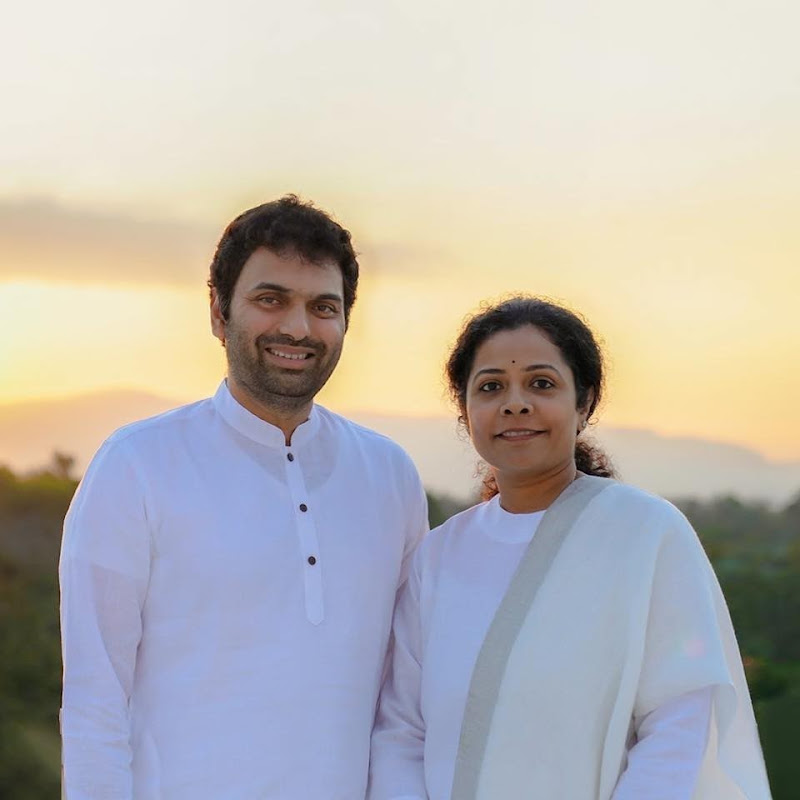
The inclusion of "powerful life lessons and spiritual wisdom from Sri Krishnaji" names the mentorship dimension explicitly. At this life stage, exposure to teachers who model clarity, ethical integrity, and contemplative depth can serve as a counterweight to the fragmented messaging teens receive from media and peer culture. Sri Krishnaji's teachings, drawn from non-dual and Advaita traditions, typically address questions of identity, purpose, and the nature of consciousness—the very questions adolescents are beginning to ask seriously.
Unlike mandatory school curricula, retreat-based teaching is usually offered in a context of genuine choice and voluntary attention. Teenagers who select a spiritual winter camp are often already experiencing the limits of conventional narratives about success, happiness, and identity. Direct transmission from an established teacher—whether through talks, small-group dialogue, or informal interaction—can catalyze significant shifts in how young people frame their own lives and choices.
The camp duration of ten days sits in an interesting middle ground: long enough to move past novelty and surface engagement (roughly 48–72 hours), but not so long that participants become overwhelmed or regress to defensiveness. Research on intensive group experiences shows that meaningful psychological and relational shifts often emerge in the second and third weeks of immersion. A ten-day container may catch participants precisely at the threshold where new habits begin to consolidate and peer bonds deepen.
The explicit mention that this is a "reset for your mind, body, and spirit" and an opportunity to "step into 2026 with clarity, joy, and purpose" frames the retreat as a threshold ritual—a deliberate pause between one chapter and the next. For young people navigating transitions (graduating school, choosing educational paths, questioning inherited beliefs), this symbolic architecture matters. The timing at year's end amplifies the sense of intentional beginning.
The age range of 12–20 encompasses distinct developmental phases: early adolescence, mid-teen years, and young adulthood. The camp's single cohort suggests that the structure and curriculum are flexible enough to hold this breadth. Older teens may engage with spiritual teachings at a more abstract level, while younger participants may emphasize the adventure and friendship components. Mixed-age peer groups, when well facilitated, often create a natural mentoring dynamic where older participants support younger ones, deepening their own integration in the process.
The language of "fun, friendships, and emotional growth you'll carry for life" acknowledges that retreat outcomes are not purely internal. For many teenagers, the experience of being part of a values-aligned community—even briefly—can be profoundly clarifying. The friendships forged often persist in part because they were formed outside the status hierarchies and pre-established roles that dominate school or neighborhood peer groups.
If you are a teenager or young adult considering attending a spiritual retreat or intensive program, ask yourself what specific areas of your life or understanding feel stuck or unclear right now. What kind of environment would help you think differently? Does direct teaching from an experienced practitioner appeal to you? Do you crave time in nature, or community with peers who share values-based interests?
If you are a parent or educator considering recommending such a program, recognize that the winter camp model offers something schools typically cannot: immersion in practice over time, direct mentorship from non-parental adults, peer community built around meaning-making rather than achievement, and deliberate exposure to worldviews and people outside the participant's ordinary sphere. The integration of yoga, meditation, teaching, and community engagement creates redundancy—if one element resonates, others will likely deepen the effect.
For anyone seeking to understand how contemplative education works with younger people, this camp exemplifies a hybrid model: rooted in traditional spiritual lineages (Advaita, yoga philosophy) but structured and paced according to contemporary developmental understanding. The result is neither a watered-down spirituality nor an austere monastic model, but a deliberate attempt to meet young people where they are while introducing them to perennial questions and practices.