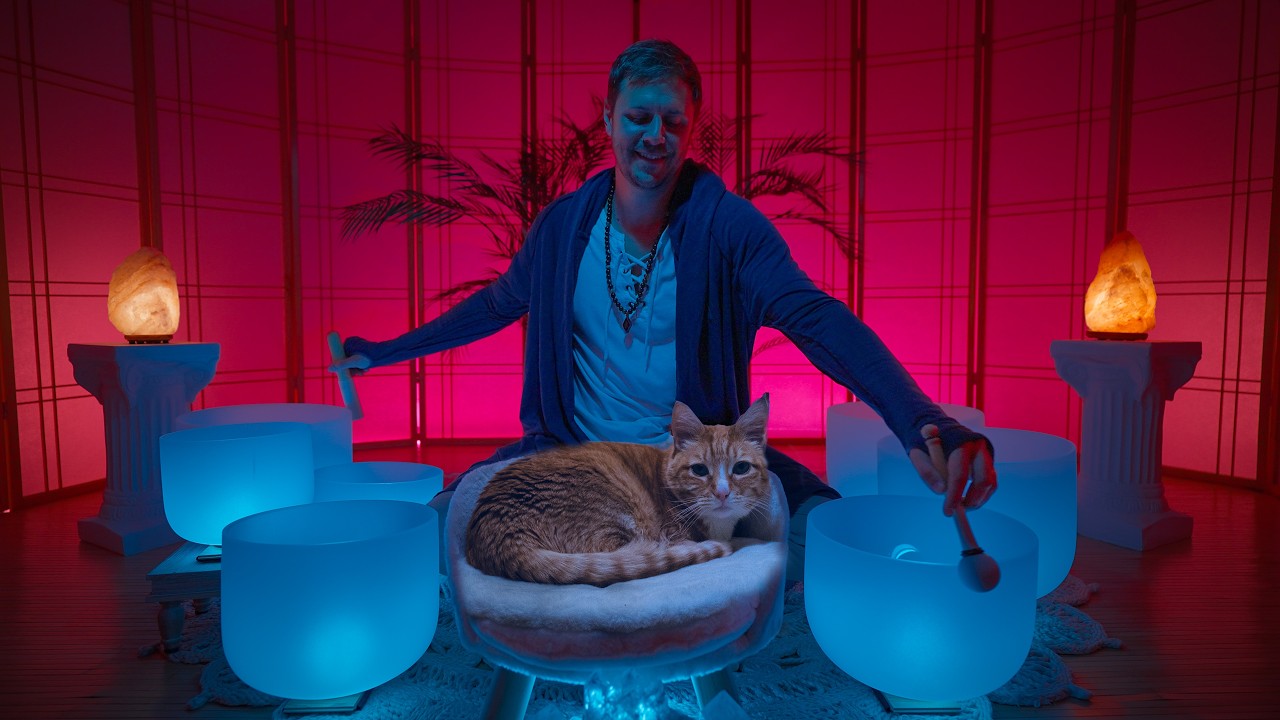
When the mind won't stop racing and the body refuses to unclenches, when every muscle feels braced for a threat that's already passed, the usual advice—"just relax," "breathe"—can feel hollow. Stress isn't something you logic your way out of. It's a state your nervous system has locked into, and escaping it often requires something less like willpower and more like permission. That's where sound baths have quietly become essential for an expanding audience: they offer a kind of vibrational signal, one that tells your system it's safe to let go.
What Cortisol Overload Actually Feels Like
Cortisol, the hormone your adrenal glands release in response to stress, is not the enemy. In the right measure and rhythm, it wakes you up, sharpens focus, and helps you meet demands. But when stress lingers—days into weeks, weeks into months—cortisol stays elevated. The mind keeps cycling through thoughts. The shoulders stay hunched. Sleep becomes shallow. The nervous system forgets how to downshift. You're caught in what neuroscientists call hyperarousal: a state of chronic activation where true rest feels nearly impossible. Many people describe it as living in a clenched fist.
Traditional stress-management advice often demands more effort: meditation takes discipline, exercise requires energy you don't have, therapy requires opening up when you're defended. Sound baths sidestep that paradox. They work not through will but through immersion—through sound itself becoming a vehicle for the nervous system to recognize that safety is possible.
The Architecture of Vibrational Healing
A sound bath is, at its core, an acoustic space where tones—usually produced by instruments like Tibetan singing bowls, gongs, or synthesized tones—are layered into a continuous, slowly evolving soundscape. Unlike music with rhythm and melody, these immersive tones create what might be called a sonic blanket: something that fills the perceptual field and, over time, can calm the vigilant mind.
The science here is subtle. Sound waves do carry energy, and different frequencies may influence brainwave patterns; some research suggests that certain frequencies can facilitate a shift toward alpha and theta brainwave states—the states associated with deep relaxation and meditation. But the mechanism isn't magic. It's more direct: when your auditory system is held by something steady and slow, your nervous system has less to interpret as threat. The mind has fewer gaps to fill with worry. The body, in turn, begins to soften.
A deliberately crafted sound bath amplifies this. The immersive tones work slowly, building a sonic environment that supports what physiologists call the relaxation response—the body's natural counterbalance to stress activation. It's the opposite of the fight-or-flight reflex: deeper breathing, lower heart rate, reduced muscle tension, and a return to parasympathetic dominance (the "rest and digest" mode).
The "Brain Massage" Approach
The language matters. Calling a sound bath a "brain massage" isn't marketing flourish; it's precise metaphor. Massage, at its root, is about signal—sustained, gentle pressure that tells tissue to release. A sound bath works similarly, but through vibration instead of touch. The sustained, immersive tones act like sonic fingers, gradually loosening the mental and physical patterns that stress has locked into place.
For sessions designed specifically to lower cortisol, the craft lies in pacing and depth. The tones move slowly enough that the nervous system has time to recognize the signal and respond—there's no rush, no demand. The vibrations are dense enough to occupy full attention without requiring active engagement; you don't have to "do" meditation, you simply allow yourself to be held by sound. The cumulative effect over a longer session (one hour or more) is significant: your system has time to genuinely shift out of overstimulation and into sustained calm.
Who Reaches for Sound Baths
The audience for these sessions spans a wide spectrum: those experiencing mental fatigue from decision-making overload or sustained worry; people carrying emotional heaviness from grief, overwhelm, or burnout; anyone whose body has locked into chronic tension; and those who struggle with the final descent into sleep—who lie awake, unable to "power down" despite exhaustion.
What unites them is a recognition that healing from stress isn't always a matter of more activity or more insight. Sometimes it's the opposite. It's about creating conditions where the nervous system can remember how to rest without trying. A sound bath provides that permission and that container in one.
The Ecosystem Around Immersive Sound
The growing availability of sound bath content—channels dedicated to Tibetan bowl vibrations, sleep-oriented sessions, chakra-focused music, and stress-reduction tones—reflects a real shift in how people are approaching wellness. These aren't one-off novelties. Many practitioners report that sound baths have become a regular part of their routine, something they return to when they feel stress beginning to mount again. It's preventive, not just corrective.
This ecosystem also reveals something about trust in the digital age. Sound baths, unlike many wellness offerings, ask very little from you. You don't need equipment beyond a speaker or headphones. You don't need belief—the vibrations work whether you're skeptical or devoted. You simply show up, get comfortable, and let the sound do its work. That simplicity, and the repeat-listen model it creates, has made immersive sound one of the most accessible stress-management tools available.
Important Boundaries
It bears stating clearly: sound baths are not medical treatment. They are not a replacement for therapy, psychiatry, or medical care for stress-related conditions. Anyone struggling with anxiety, depression, PTSD, or other serious stress responses should work with trained professionals. Sound baths are a complementary practice—something that may support the nervous system's capacity to rest, but not a substitute for proper care.
That said, for many people living with everyday stress—the chronic hum of modern life, the difficulty truly switching off—sound baths have become genuinely transformative. Not because they cure anything, but because they offer something increasingly rare: permission to be still, and an external structure (the sound itself) that makes stillness easier to enter.
Where to go from here
If you're curious about sound baths as a stress-management tool, the entry point is simple: find a session that speaks to you—guided or unguided, themed around sleep or general relaxation—and commit to at least one full listening. Sixty to seventy minutes is ideal, though even shorter sessions can create a genuine shift. Get comfortable, perhaps lying down, and resist the urge to multitask. Let the vibrations be the only thing you're holding. Many people find that sound baths work best as a regular practice, something returned to weekly or whenever stress begins to accumulate. The effect deepens over time as your nervous system learns to recognize the signal that safety is close. If you find yourself reaching for these sessions again and again, you've found something worth making part of your routine.