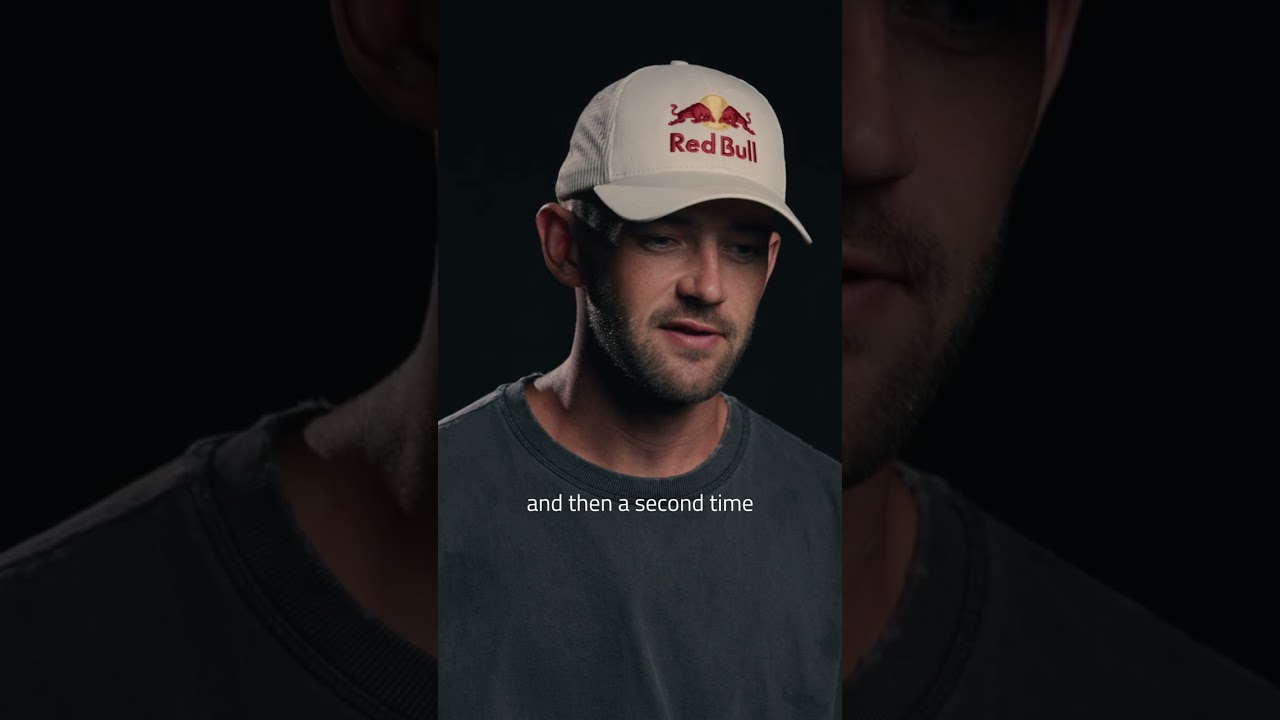
In the world of triathlon, few athletes embody the spirit of resilience and adaptability like Danish pro triathlete Kristian Høgenhaug. In the latest episode of the "IRONMAN Insider" podcast, he discusses his journey through a rigorous race schedule that includes multiple high-stakes events. This article delves deeper into Kristian's insights on training, mental fortitude, and the evolving landscape of triathlon, providing valuable lessons for both aspiring and seasoned endurance athletes. By exploring his experiences and strategies, we can gain a richer understanding of what it takes to thrive in the demanding realm of triathlons.
Kristian Høgenhaug has made a name for himself in the triathlon community as a competitor who merges aggressive racing tactics with a consistent performance record. His ability to remain steadfast amidst the pressures of elite competition is a testament to his dedication to the sport. With each race, he showcases not just physical prowess but a mental strategy that is as critical as the training itself. Understanding Høgenhaug's journey offers a unique perspective on the complexities of professional triathlon.
His aggressive racing style is characterized by a willingness to take calculated risks, often leading to thrilling finishes. This approach requires a deep understanding of pacing and energy management, as well as a keen awareness of competitors' strategies. By studying how Høgenhaug navigates these dynamics, athletes can learn to refine their own racing techniques, balancing aggression with endurance in their performances.
Moreover, Høgenhaug's consistency is not merely a result of physical training but also stems from his mental resilience. He emphasizes the importance of mental preparation, particularly when racing in quick succession. His experiences serve as a blueprint for both novice and experienced athletes on how to cultivate a competitive mindset that embraces challenges and thrives under pressure.
Kristian's recent race schedule involved competing in three major events in quick succession, a challenge that many athletes encounter in their careers. Such a demanding lineup necessitates meticulous planning around training, recovery, and nutrition. Kristian stresses the importance of building a robust foundation that allows for recovery without sacrificing performance. Athletes must be aware of their limits and the signs of fatigue, adjusting their training accordingly to avoid burnout.
This type of rigorous schedule also highlights the need for versatility in training regimens. Kristian discusses how he adapts his training plans based on the unique demands of each event, whether it’s adjusting swim drills to account for different water conditions or tailoring cycling workouts to simulate race-day terrain. This adaptability is crucial for success in triathlon, where environmental variables can change unexpectedly.
Additionally, the mental strain of competing frequently cannot be overlooked. Kristian shares his strategies for maintaining focus and motivation throughout this demanding period. Techniques such as visualization, mindfulness, and setting small, achievable goals during training sessions can help athletes maintain a positive mindset, even when faced with the pressures of back-to-back races.
Kristian discusses how the sport of triathlon has evolved over the years, with increased competition and changing race formats. As the landscape shifts, athletes must develop a greater degree of versatility in their training. This evolution includes a deeper understanding of pacing strategies, nutritional needs, and recovery protocols. Athletes today are not just racing; they are continuously adapting to new challenges and innovations in the sport.
One significant change in triathlon is the growing emphasis on technology and data analysis. Kristian uses tools like power meters and heart rate monitors to fine-tune his performance metrics. Understanding one's power zones during cycling, for example, can drastically improve race outcomes. Athletes can develop tailored training plans that maximize their strengths while addressing weaknesses, allowing for a more strategic approach to competition.
This evolution also encompasses the psychological aspect of racing. As competition intensifies, the mental game becomes increasingly important. Kristian emphasizes the need for athletes to cultivate mental toughness and resilience. Techniques for managing pre-race nerves, maintaining focus during the race, and recovering mentally after competition are critical skills that athletes must develop alongside their physical capabilities.
Kristian Høgenhaug's journey is not just one of athletic achievement but also personal growth. Through the rigors of training and competition, he has learned valuable life lessons about perseverance, discipline, and the importance of setting goals. These lessons extend beyond the racecourse and into everyday life, highlighting the holistic benefits of endurance sports.
Setting both short-term and long-term goals is crucial for personal development. Kristian often reflects on his aspirations for the IRONMAN World Championships, using these ambitions as motivation to push his limits. By breaking down his goals into manageable steps, he creates a roadmap that keeps him focused and accountable. This approach can be beneficial for athletes at all levels, encouraging them to find a balance between ambition and realistic expectations.
Moreover, the social aspect of triathlon fosters personal growth as well. Engaging with fellow athletes and sharing experiences can provide support and motivation. Kristian advocates for building a community around training, where athletes can inspire one another and share strategies for overcoming challenges. This sense of camaraderie not only enhances performance but also enriches the overall experience of being involved in endurance sports.
The mental component of triathlon training is often underestimated, yet it plays a pivotal role in an athlete's success. Kristian highlights various psychological strategies that help him cope with the demands of training and competition. One of the most effective techniques he employs is visualization, allowing him to mentally rehearse race scenarios and develop a strong sense of confidence before events.
Mindfulness practices are also crucial for maintaining mental clarity and focus. By integrating meditation or breathing exercises into his daily routine, Kristian is able to manage stress and anxiety, which can often accompany high-stakes races. These practices not only enhance his mental resilience but also contribute to better performance on race day.
Finally, Kristian emphasizes the importance of reflection and self-assessment. After each race, he takes time to analyze his performance, identifying both strengths and areas for improvement. This reflective practice fosters a growth mindset, encouraging athletes to learn from each experience rather than becoming discouraged by setbacks. By adopting this approach, athletes can continuously evolve and refine their training and racing strategies.
As Kristian prepares for the IRONMAN World Championships, his aspirations are clear: to compete at the highest level and push beyond his previous limits. He discusses the significance of this event in the triathlon calendar and the rigorous preparation it demands. From fine-tuning his nutrition plan to optimizing his training volume, every detail counts in his quest for excellence.
One key aspect of his preparation involves race-specific training sessions, where he simulates race conditions to familiarize himself with the course. This includes long bike rides in similar terrain and open-water swims in conditions that mimic the championship environment. Such meticulous preparation allows athletes to enter the race with confidence and a tactical edge.
Moreover, Kristian's aspirations extend beyond personal achievement. He hopes to inspire the next generation of triathletes, sharing his journey and the lessons he has learned along the way. By engaging with younger athletes and emphasizing the importance of hard work, discipline, and mental resilience, he aims to foster a community of passionate and dedicated triathletes who will carry the sport forward into the future.
Watch the complete video above for the full breakdown. For more endurance content, explore our latest articles, browse upcoming events, or discover athlete profiles on EnduranceFinder.