Embracing Sorrow: The Pathway to Joy
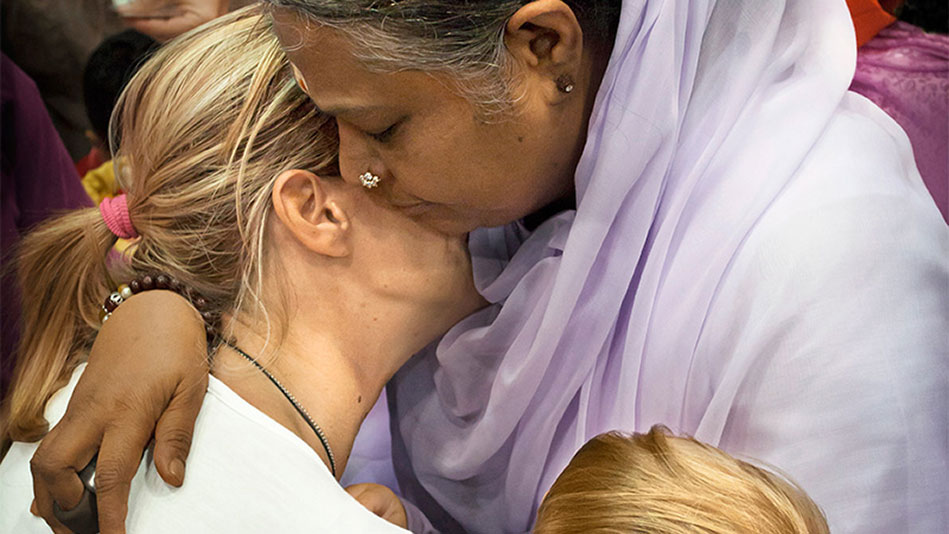
Amma's poignant assertion, "Don't run from sorrow. Embrace it. It will become joy," invites us to reconsider our relationship with suffering. In a world that often equates happiness with the absence of pain, this wisdom challenges us to confront our sorrows head-on. By embracing our grief and discomfort, we can transform these experiences into profound joy. This transformation is not merely a philosophical idea; it is a lived reality that can lead to deeper understanding and connection with ourselves and others.
To embrace sorrow is to acknowledge the full spectrum of human experience. It requires courage to sit with our pain, to allow it to unfold within us rather than pushing it away. This act of acceptance can be a catalyst for growth, leading us to a more authentic existence. In this light, sorrow is not an enemy to be vanquished but a teacher guiding us toward a more profound joy that is rooted in acceptance and understanding.
The image / the metaphor
Amma's words evoke a vivid image of sorrow as a tangible entity, one that we can hold and embrace rather than flee from. The verbs "run" and "embrace" create a stark contrast between avoidance and acceptance, highlighting the active choice we have in how we respond to our emotional landscape. The act of embracing sorrow suggests a warm, nurturing approach, as if we are cradling a fragile part of ourselves that needs care and attention. This imagery invites us to visualize sorrow not as a burden but as a companion on our journey.
Diving deeper into the metaphor, we can see that sorrow is often intertwined with joy in the human experience. Just as the night sky is punctuated by stars, our moments of sorrow can illuminate the path to joy. By embracing sorrow, we allow ourselves to experience the fullness of life, recognizing that joy often emerges from the depths of our struggles. This interplay between sorrow and joy reflects the cyclical nature of existence, where one cannot exist without the other, creating a rich tapestry of emotional experience.
In the speaker's tradition
Amma's teachings are deeply rooted in the bhakti tradition, which emphasizes devotion and love as pathways to spiritual realization. In this context, embracing sorrow aligns with the concept of dharma, or living in accordance with one's true nature. By accepting our sorrows, we honor our emotional truth and cultivate a deeper connection with the divine. This acceptance can lead to a state of kenosis, or self-emptying, where we release our attachments to specific outcomes and open ourselves to the transformative power of love and joy.
In the Bhagavad Gita, a foundational text in the bhakti tradition, Lord Krishna advises Arjuna to face his fears and doubts rather than flee from them. This echoes Amma's message, as both teachings encourage us to confront our inner turmoil as a means of spiritual growth. The Gita illustrates that through the acceptance of our struggles, we can find clarity and purpose, ultimately leading us to a state of joy that transcends our immediate circumstances.
Living the teaching
Consider a modern scenario where this teaching resonates: a person grappling with the loss of a loved one. In the immediate aftermath, the instinct may be to suppress feelings of grief, to put on a brave face and move forward. However, by embracing this sorrow, allowing oneself to fully experience the pain, the individual opens the door to healing. This process may involve tears, reflection, and even moments of joy as cherished memories surface, illustrating how sorrow can coexist with happiness and lead to a deeper appreciation of life.
In relationships, the teaching of embracing sorrow can manifest during conflicts or misunderstandings. Instead of avoiding difficult conversations or burying emotions, partners can choose to face their discomfort together. By acknowledging their feelings and vulnerabilities, they create a space for deeper intimacy and understanding. This practice not only strengthens the bond between them but also transforms moments of tension into opportunities for growth and joy.
A reflection
As we contemplate Amma's profound words, we are invited to reflect on our own relationship with sorrow. What sorrows have we been running from, and how might embracing them lead us to a deeper joy? In this moment of reflection, consider how the act of acceptance can transform your experience of pain into a pathway toward greater understanding and connection with yourself and others.