The Embrace of Remembrance: A Journey into Amma's Wisdom
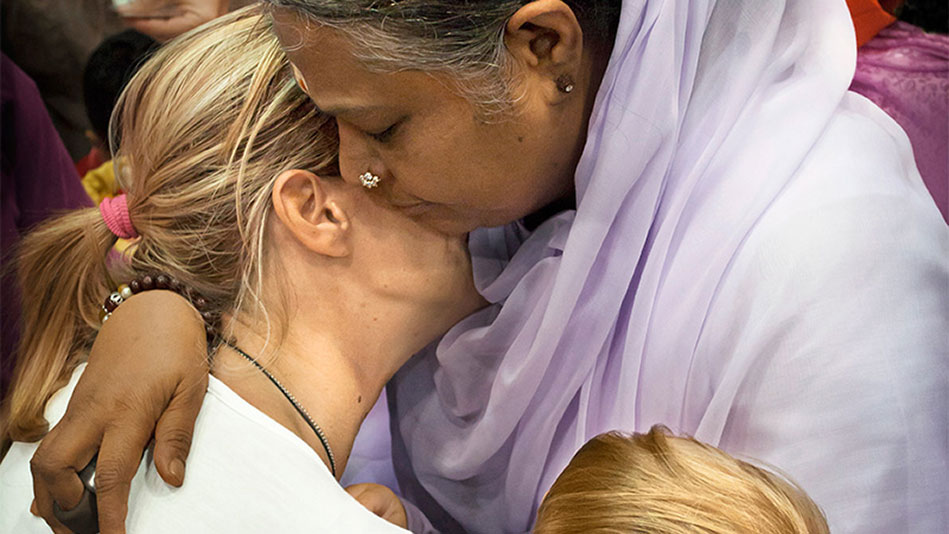
“Mother holds you. Don’t forget.” This poignant reminder from Amma encapsulates a profound truth about our existence and the nurturing presence that surrounds us. In a world often marked by chaos and disconnection, the image of a mother holding her child evokes a sense of safety, love, and unconditional acceptance. This quote invites us to remember that we are never truly alone; we are cradled in the embrace of a divine maternal force that nurtures our spirit, guiding us through the trials of life.
To delve deeper into this sentiment, we must consider the significance of the word “forget.” Forgetting is not merely a lapse in memory; it signifies a disconnection from the source of our strength and comfort. In the context of Amma's teachings, this quote serves as a gentle nudge to remain aware of the divine love that envelops us, urging us to cultivate a relationship with that nurturing presence. It is an invitation to recognize the motherly aspect of the universe, which holds us in moments of joy and sorrow alike, reminding us that we are always supported.
The image / the metaphor
The imagery of a mother holding her child is rich with meaning. It conjures feelings of warmth, safety, and unconditional love. The verb “holds” suggests an active, ongoing process, a continuous embrace that provides not just physical comfort but emotional and spiritual sustenance. This act of holding is not passive; it is a dynamic engagement that fosters growth and security. In this context, the mother symbolizes a nurturing force that is always present, even when we may feel isolated or lost.
In the speaker's tradition
Amma's teachings are deeply rooted in the bhakti tradition, which emphasizes devotion and love for the divine. In bhakti, the relationship between the devotee and the divine is often likened to that of a child and a mother, where the divine is seen as a nurturing presence that guides and protects. This relationship is characterized by surrender, trust, and a profound sense of belonging. Concepts such as dharma, or righteous duty, and kenosis, the act of self-emptying, resonate with the idea of being held by a loving force, allowing us to let go of our burdens and fears.
In the Bhagavad Gita, the notion of surrendering to a higher power is echoed in the verses where Krishna reassures Arjuna of his divine support. This theme of divine embrace is also reflected in the concept of prajna, or wisdom, which arises from recognizing our interconnectedness with the universe. By understanding that we are held by a loving presence, we cultivate the wisdom to navigate life’s challenges with grace and resilience, embodying the essence of Amma’s message.
Living the teaching
Consider a modern scenario where this teaching resonates: a person facing a significant life transition, such as a job loss or the end of a relationship. In such moments of uncertainty, it is easy to feel isolated and overwhelmed. However, by remembering that “Mother holds you,” one can find solace in the idea that there is a nurturing presence that supports them through the turmoil. This awareness can transform feelings of despair into a sense of connection, allowing the individual to navigate their challenges with a renewed sense of hope and strength.
Another application of this teaching can be found in our relationships with others. Imagine a moment of conflict with a loved one, where misunderstandings and hurt feelings arise. By invoking the spirit of “Mother holds you,” we can approach the situation with compassion and understanding, recognizing that both parties are deserving of love and support. This perspective encourages us to respond with kindness rather than defensiveness, fostering healing and connection in our relationships. In daily practice, this teaching can be integrated through simple acts of mindfulness, where we pause to remember the love that surrounds us, allowing it to guide our interactions and decisions.
A reflection
As we contemplate Amma's words, we are invited to explore the depths of our own experiences of being held—both by the divine and by those around us. In moments of doubt or fear, how can we cultivate a remembrance of this nurturing presence? What practices can we engage in to deepen our connection to the love that sustains us? Reflecting on these questions can open pathways to greater awareness and acceptance, allowing us to live more fully in the embrace of the divine mother that holds us all.