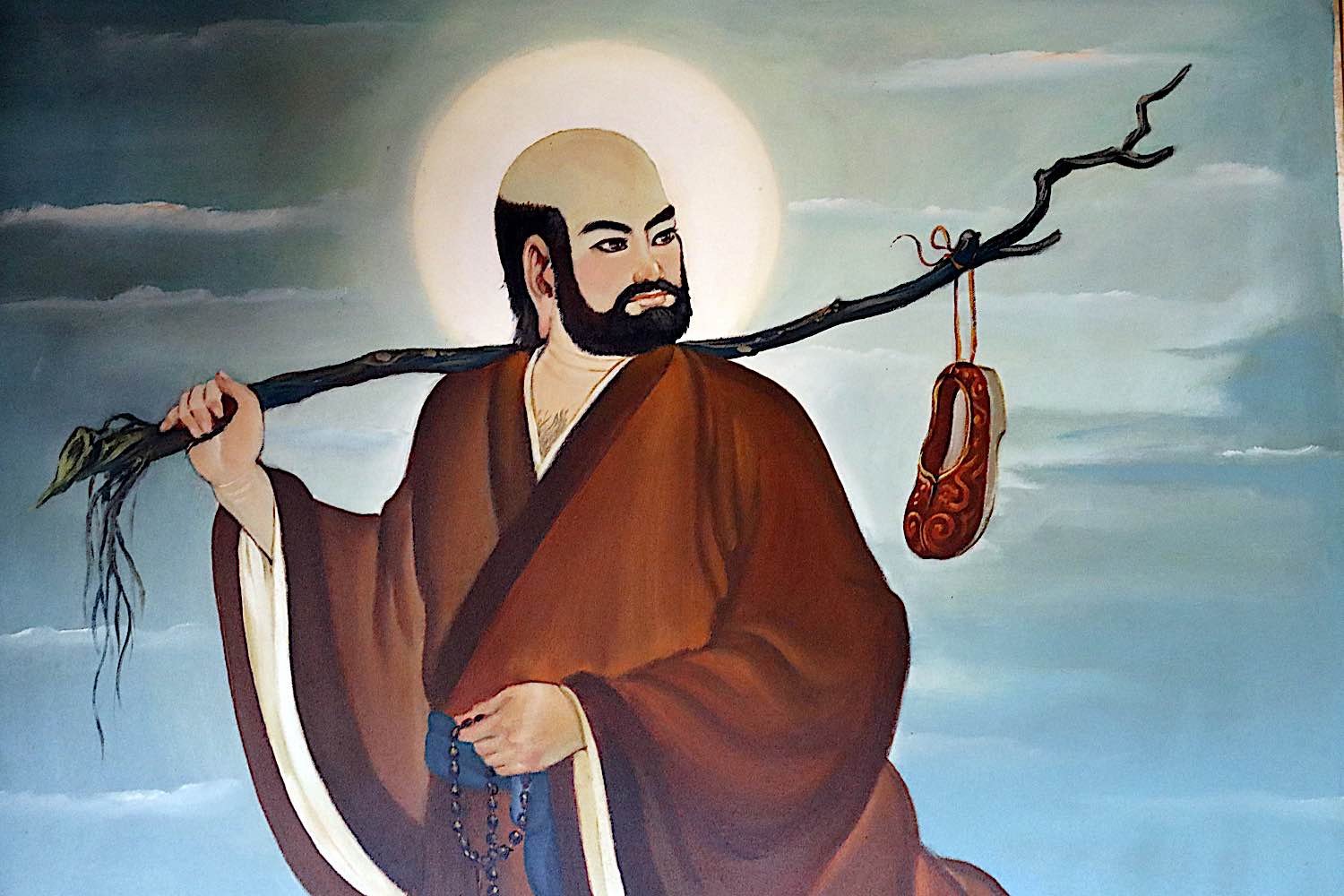
Entering the Essence: The Path of Understanding
Bodhidharma's assertion, "To enter by reason means to realize the essence through instruction," invites us to explore the profound relationship between understanding and the essence of our being. This statement emphasizes the necessity of intellectual engagement as a precursor to deeper spiritual insight. In a world often driven by superficial distractions, the call to engage with our essence through reason and instruction becomes a vital endeavor, one that can lead to transformative experiences and a more authentic existence.
As we delve into this quote, we recognize that Bodhidharma is not merely advocating for an academic pursuit of knowledge; he is urging us to engage with the very fabric of our existence. This engagement is not just about accumulating information but about cultivating wisdom that resonates with our true nature. The essence he speaks of is not an abstract concept but a lived reality, one that can be accessed through diligent study and reflection. Understanding this essence is crucial, as it lays the groundwork for a more profound spiritual awakening.
The image / the metaphor
The imagery in Bodhidharma's quote evokes a journey—a movement from the surface of understanding to the depths of essence. The phrase "enter by reason" suggests a gateway, a threshold that one must cross to access deeper truths. The use of "realize" indicates an awakening, a moment of clarity where the essence of our being becomes apparent. Instruction serves as the guiding light, illuminating the path toward this realization, emphasizing that knowledge is not merely theoretical but a practical tool for transformation.
In the speaker's tradition
Within the context of Zen Buddhism, Bodhidharma's teachings resonate deeply with the concepts of dharma and prajna. Dharma refers to the cosmic law and order, while prajna signifies the wisdom that arises from direct experience. Bodhidharma's emphasis on instruction aligns with the Zen practice of koans, which serve as tools for contemplation and insight. These koans challenge our conventional thinking and push us toward a realization of our true nature, embodying the essence that Bodhidharma speaks of.
Moreover, Bodhidharma's teachings can be compared to the concept of sunyata, or emptiness, which suggests that understanding the essence requires us to let go of attachments and preconceived notions. In the Heart Sutra, a foundational text in Mahayana Buddhism, the realization of emptiness leads to liberation from suffering. Thus, Bodhidharma's call to enter by reason becomes a pathway to experiencing the profound emptiness that reveals the interconnectedness of all beings, ultimately guiding us toward enlightenment.
Living the teaching
Consider a modern scenario where this teaching might resonate: a student grappling with the complexities of a challenging subject. The student may initially feel overwhelmed, viewing the material as a series of disconnected facts. However, by approaching the subject with a mindset of inquiry and seeking guidance from a teacher, the student begins to uncover the underlying principles that connect the dots. This process of engaging with the material through reason and instruction leads to a deeper understanding, transforming confusion into clarity and insight.
In a different context, imagine a relationship strained by misunderstandings. Here, the essence of connection can be obscured by assumptions and miscommunication. By engaging in open dialogue—seeking to understand each other's perspectives and motivations—both individuals can move beyond surface-level grievances. This act of instruction, rooted in empathy and reason, allows them to realize the essence of their bond, fostering a deeper connection and mutual respect.
A reflection
As we contemplate Bodhidharma's words, we are invited to reflect on our own journeys of understanding. What areas of our lives require deeper inquiry and engagement? In what ways can we seek instruction to uncover the essence of our experiences? These questions serve as a guide, prompting us to explore the richness of our existence and the wisdom that lies within, ultimately leading us toward a more profound realization of our true selves.
