The Silent Wisdom of Waterfowl: Embracing Non-Trace in Zen
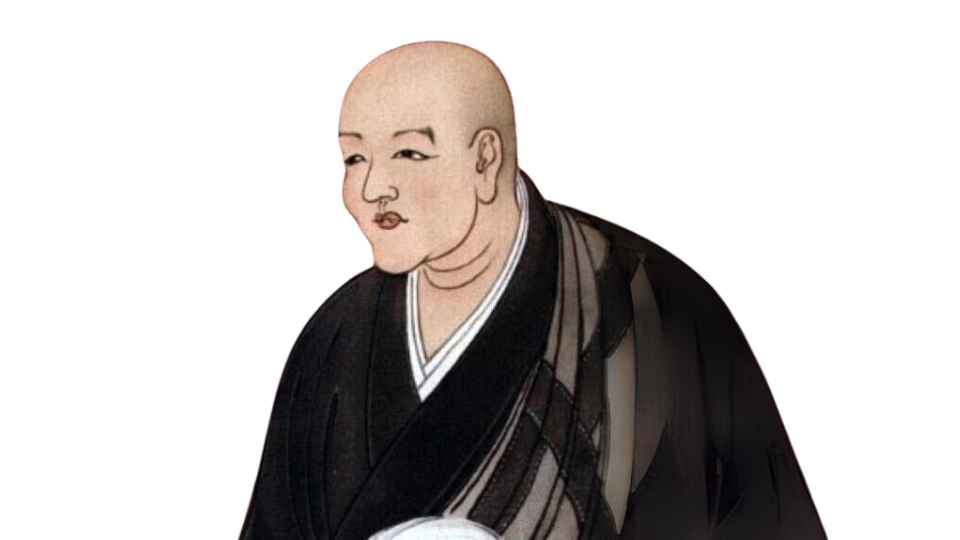
“Coming, going, the waterfowl leaves no trace.” In this succinct yet profound statement, Dōgen invites us to contemplate the nature of existence and the impermanence that defines our lives. The imagery of waterfowl, gliding effortlessly across the surface of a lake, evokes a sense of fluidity and transience, reminding us that our actions, like the movements of these birds, often leave no lasting imprint. This teaching resonates deeply in a world where we are frequently preoccupied with permanence and legacy, urging us to embrace the ephemeral nature of our experiences.
As we delve deeper into Dōgen's words, we uncover layers of meaning that challenge our conventional understanding of existence. The notion of “leaving no trace” speaks not only to the physical absence of evidence but also to the spiritual practice of letting go. In a society that often values accumulation and recognition, Dōgen’s wisdom serves as a gentle reminder to release our attachments and to engage with life in a way that honors its transient beauty. This perspective invites us to reflect on how we navigate our own journeys, encouraging a mindful approach to the moments we inhabit.
The image / the metaphor
The imagery of waterfowl is rich with connotations of grace and freedom. When we envision these birds coming and going, we can almost hear the soft rustle of their wings and feel the gentle ripples they create on the water's surface. The verbs “coming” and “going” suggest a dynamic process, a continuous flow that mirrors the cycles of life itself. This movement is not marked by permanence; rather, it is characterized by an effortless transition that leaves no trace behind, inviting us to consider how we might embody such fluidity in our own lives.
Dōgen’s metaphor extends beyond the physical realm, inviting us to explore the deeper implications of non-trace. In Zen, the concept of non-attachment is central, urging practitioners to engage with the present moment without clinging to outcomes or expectations. The waterfowl’s journey becomes a symbol of this practice, illustrating how one can navigate life’s currents with grace while remaining unattached to the need for recognition or permanence. In this way, the metaphor serves as a profound teaching on the art of living lightly, embracing the beauty of each moment without the burden of legacy.
In the speaker's tradition
Dōgen, a seminal figure in the Zen tradition, emphasizes the importance of direct experience and the realization of emptiness, or sunyata. His teachings often reflect the interconnectedness of all beings and the impermanence that defines existence. The idea of non-trace aligns with the Zen understanding of dharma, which encourages practitioners to engage with the world authentically, recognizing that every action is part of a larger tapestry of life. This perspective invites us to cultivate a sense of presence that transcends the ego’s desire for permanence.
In the context of Dōgen’s writings, we can draw parallels to his work in the “Shobogenzo,” where he explores the nature of reality and the importance of being fully present. He often speaks of the “dropping off of body and mind,” a state where one can experience life without the constraints of self-identity. This aligns beautifully with the notion of the waterfowl leaving no trace, as it embodies the essence of living in the moment, free from the burdens of past and future. Such teachings encourage us to embrace the transient nature of our existence, fostering a deeper connection to the present.
Living the teaching
Consider a modern scenario where this teaching resonates: a busy professional navigating the demands of work and personal life. In the hustle of daily responsibilities, it is easy to become consumed by the desire to leave a mark, whether through achievements or recognition. However, by embodying the essence of the waterfowl, one can approach each task with a sense of presence, focusing on the quality of engagement rather than the outcome. This shift in perspective allows for a more fulfilling experience, where the joy of the moment takes precedence over the need for validation.
In relationships, the teaching of non-trace can also find profound application. Imagine a moment of conflict with a loved one, where the urge to hold onto grievances can cloud the connection. By embracing the idea of leaving no trace, one can approach the situation with openness and forgiveness, allowing for healing and growth. This practice of letting go fosters deeper intimacy and understanding, as both individuals learn to navigate their interactions with a sense of fluidity and grace, much like the waterfowl gliding effortlessly across the water.
A reflection
As we reflect on Dōgen’s poignant words, we are invited to consider the ways in which we engage with our own lives. Are we clinging to the past, seeking to leave a mark, or can we embrace the beauty of each moment as it comes and goes? In what areas of our lives can we practice non-attachment, allowing ourselves to flow like the waterfowl, leaving no trace but the essence of our presence? This contemplation opens the door to a deeper understanding of our existence, encouraging us to live fully in the now.


