The Harmony of Alignment: A Zen Perspective
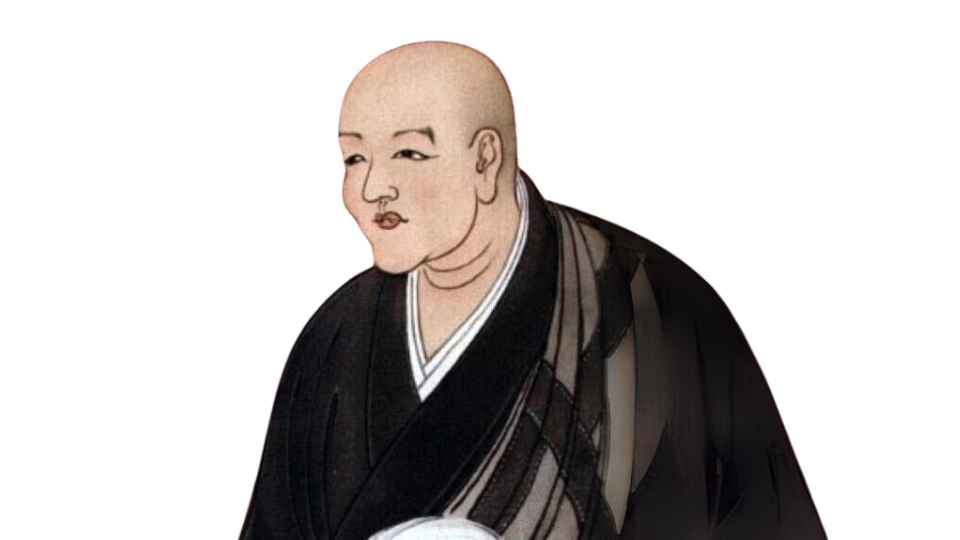
In the words of Dōgen, "The ears should be in line with the shoulders, and the nose with the navel." This seemingly simple instruction carries profound implications for our understanding of alignment—not just in the physical sense, but also in the spiritual and existential realms. The stakes are high; our ability to find balance and harmony within ourselves can significantly influence our interactions with the world around us. When we embody this alignment, we cultivate a deeper awareness of our being, allowing us to engage more fully with our practice and our lives.
To delve deeper into this quote, we must recognize that Dōgen's guidance extends beyond mere posture. It invites us to consider the interconnectedness of our body, mind, and spirit. The alignment he describes serves as a metaphor for the inner harmony we seek in our practice. By aligning our physical form, we may also find a pathway to align our thoughts, emotions, and intentions. This holistic approach to alignment is essential for anyone on a spiritual journey, as it encourages us to embody our practice in every aspect of our lives.
The image / the metaphor
At first glance, Dōgen's instruction evokes a vivid image of the human form in perfect alignment. The ears resting in line with the shoulders suggest a sense of ease and balance, while the nose's alignment with the navel hints at a grounding connection to our core. The verbs chosen—"should be"—imply a gentle guidance rather than a strict command, inviting us to explore our own physicality with curiosity and care. This imagery resonates deeply, as it encourages us to cultivate awareness of our bodies and the subtle ways in which they can reflect our inner state.
Beyond the literal interpretation, the metaphor of alignment speaks to the broader quest for harmony in our lives. Just as our physical posture can influence our mental and emotional states, so too can our inner alignment affect our external experiences. The alignment of ears, shoulders, nose, and navel serves as a reminder that our existence is a tapestry woven from the threads of body, mind, and spirit. When these elements are in harmony, we are better equipped to navigate the complexities of life with grace and clarity.
In the speaker's tradition
Dōgen, a pivotal figure in Zen Buddhism, emphasizes the importance of practice as a means of realizing our true nature. His teachings often revolve around concepts such as zazen (sitting meditation) and the notion of "just sitting," which invites practitioners to engage fully with the present moment. The alignment he describes can be seen as a physical manifestation of the deeper spiritual principles of dharma and sunyata, or emptiness. In this context, alignment becomes a practice of letting go of distractions and returning to the essence of our being.
In his seminal work, the "Fukanzazengi," Dōgen articulates the significance of posture in meditation, suggesting that the way we hold our bodies can profoundly affect our state of mind. This connection between physical alignment and spiritual awakening is echoed in various Zen texts, where practitioners are encouraged to cultivate awareness of their bodies as a gateway to deeper understanding. The alignment of the body, then, is not merely a physical exercise but a vital aspect of the path toward enlightenment.
Living the teaching
Consider a modern scenario where this teaching might resonate: a busy professional navigating the demands of a hectic workday. In the midst of meetings, deadlines, and constant notifications, it is easy to lose sight of one's physical presence. By consciously aligning the body—sitting up straight, grounding the feet, and taking a moment to breathe—one can cultivate a sense of calm and focus. This simple act of alignment can transform the experience of a stressful day, allowing for greater clarity and presence in each interaction.
In the realm of relationships, the teaching of alignment can also find its application. Imagine a moment of conflict with a loved one, where emotions run high and communication falters. By taking a moment to physically align oneself—perhaps by standing tall and grounding oneself in the present—one can create space for a more compassionate and mindful dialogue. This practice of alignment not only enhances personal well-being but also fosters deeper connections with others, allowing for more authentic and meaningful exchanges.
A reflection
As we reflect on Dōgen's guidance, we are invited to consider the ways in which alignment manifests in our own lives. How can we cultivate a deeper awareness of our bodies and their relationship to our inner states? In what ways might we bring this sense of alignment into our daily practices, interactions, and moments of stillness? By contemplating these questions, we open ourselves to the transformative potential of alignment, both within ourselves and in our connections with the world around us.


