Entering the Gate of All Dharmas
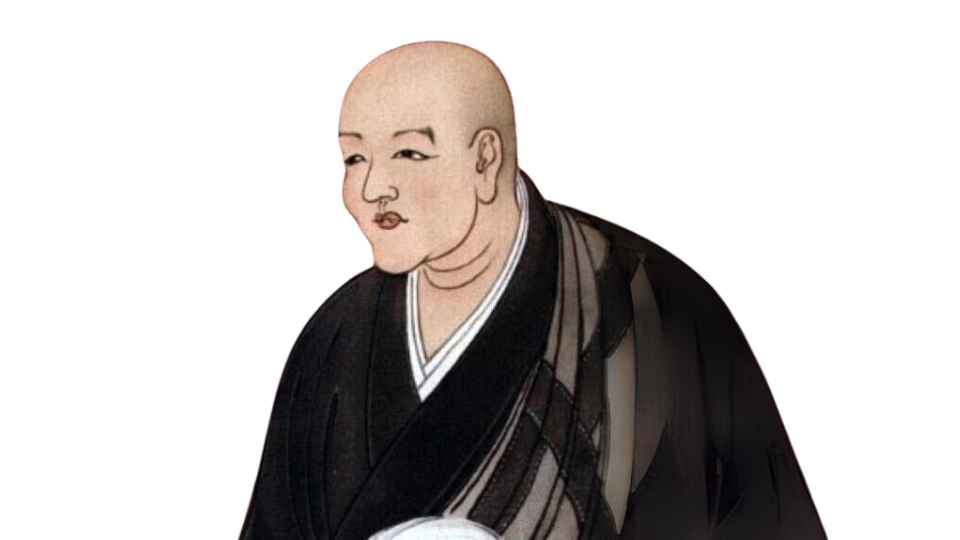
In the profound words of Dōgen, "To drop body and mind is to enter the gate of all dharmas." This statement invites us to consider the transformative power of surrendering our attachments to both the physical and mental realms. It beckons us to a state of being where we can access the fullness of existence, unencumbered by the limitations of our identities and thoughts. This teaching is not merely philosophical; it is a call to experience a deeper reality that transcends our usual perceptions.
At its core, this quote speaks to the essence of Zen practice, where the act of letting go is not an act of loss but rather an entry into a more expansive understanding of life. Dōgen, a pivotal figure in the Zen tradition, emphasizes that true liberation arises when we relinquish our grasp on the self and the myriad distractions of the mind. This surrender is not a passive resignation but an active engagement with the present moment, allowing us to encounter the world in its purest form.
The image / the metaphor
The imagery in Dōgen's quote is striking, evoking a sense of movement through a threshold—a gate that leads to a vast expanse of understanding. The phrase "drop body and mind" suggests a deliberate release, an act of shedding the layers of our conditioned existence. The verbs chosen here are significant; "drop" implies a lightness, a willingness to let go of burdens that weigh us down. The "gate of all dharmas" symbolizes an entry point into a realm where all truths coexist, free from the confines of dualistic thinking.
Dōgen's metaphor extends beyond mere physicality and cognition; it invites us to explore the interconnectedness of all things. By dropping body and mind, we are not negating our existence but rather transcending the limitations imposed by our identities. This act of surrender opens us to the infinite possibilities of experience, where the essence of dharma—the natural law of the universe—can be fully realized. In this way, the gate becomes a symbol of awakening, a passage into the profound depths of reality.
In the speaker's tradition
Within the Zen tradition, Dōgen's teaching resonates deeply with concepts such as sunyata (emptiness) and prajna (wisdom). The act of dropping body and mind aligns with the understanding of sunyata, which posits that our perceptions of self and other are ultimately illusory. By recognizing this emptiness, we can cultivate a sense of freedom that allows us to engage with the world without the constraints of ego. This liberation is essential for realizing the true nature of dharma, which encompasses all phenomena and their interrelations.
Dōgen's work, particularly in texts like "Shobogenzo," elaborates on these themes, emphasizing the importance of direct experience over intellectual understanding. He encourages practitioners to engage in zazen (seated meditation) as a means of embodying this teaching. In zazen, one learns to let go of thoughts and sensations, entering a state where the boundaries of self dissolve, and the interconnectedness of all things becomes apparent. This practice serves as a gateway to the realization that all dharmas are present in every moment.
Living the teaching
Consider a modern scenario where the teaching of dropping body and mind can be applied: a stressful day at work. Imagine feeling overwhelmed by deadlines, responsibilities, and the incessant chatter of the mind. In such moments, the practice of surrendering these burdens can be transformative. By consciously letting go of the need to control outcomes and simply being present with the tasks at hand, one can find clarity and ease. This shift in perspective allows for a more fluid engagement with the work, where creativity and insight can flourish.
Another application of this teaching can be found in relationships, particularly during conflicts. When disagreements arise, it is easy to become entrenched in our viewpoints, clinging to our perceptions of right and wrong. However, by dropping body and mind—releasing the need to defend oneself or to be understood—one can enter a space of genuine listening and empathy. This act of surrender fosters deeper connections, allowing both parties to explore the underlying truths of their experiences without the interference of ego. In this way, the gate of all dharmas opens, revealing the potential for healing and understanding.
A reflection
As we contemplate Dōgen's profound invitation to drop body and mind, we might ask ourselves: What would it mean to truly surrender our attachments in this moment? This question invites us to explore the layers of our own identities and the ways in which we cling to them. In the practice of letting go, we may discover not only the gate of all dharmas but also the boundless potential that lies within each of us, waiting to be realized.


