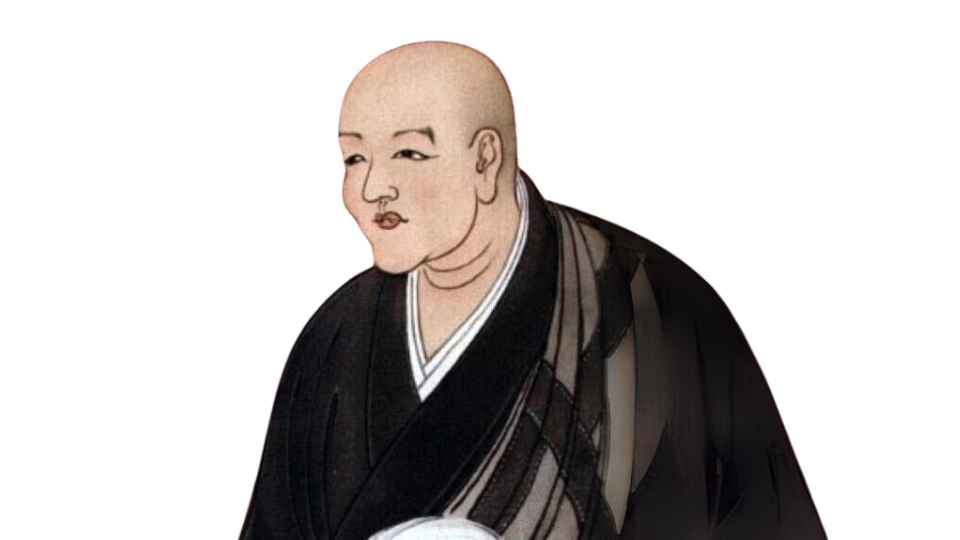
Embracing the Seasons of Existence
Dōgen's assertion that "You do not call winter the beginning of spring, nor summer the end of spring" invites us to reflect on the natural rhythms of life and the importance of recognizing each season for what it is. This quote serves as a reminder that every phase of existence has its own intrinsic value and purpose, urging us to appreciate the present moment without rushing to label or categorize it. In a world that often seeks to impose linear narratives on our experiences, Dōgen's wisdom encourages us to embrace the thusness of each season, allowing us to cultivate a deeper understanding of our own lives.
At its core, this teaching emphasizes the independence of each season, suggesting that we must honor the unique qualities of our experiences rather than conflating them with what comes before or after. By acknowledging the distinct characteristics of winter, spring, summer, and autumn, we can learn to appreciate the fullness of our journey. This perspective not only fosters a sense of acceptance but also invites us to engage with life more authentically, recognizing that each moment is a vital part of our unfolding story.
The image / the metaphor
The imagery in Dōgen's quote evokes a vivid sense of the natural world, where winter, spring, summer, and autumn each hold their own significance. The choice of verbs—"call," "beginning," and "end"—suggests a human tendency to impose our interpretations on the cyclical nature of existence. In this context, winter is not merely a precursor to spring; it is a season in its own right, rich with its own lessons and experiences. The felt sense of this quote resonates with the stillness and introspection often associated with winter, contrasting sharply with the vibrant renewal of spring.
In the speaker's tradition
Dōgen, a seminal figure in Zen Buddhism, emphasizes the concept of thusness (tathata), which refers to the inherent nature of things as they are. This teaching aligns with the understanding that every moment is unique and should be appreciated in its own right. In Zen, the practice of mindfulness encourages us to be present with our experiences, much like the seasons that unfold in their own time. The notion of kenosis, or self-emptying, also resonates here, as we learn to let go of preconceived notions and judgments, allowing life to reveal itself without our interference.
In his seminal work, the Genjokoan, Dōgen explores the relationship between practice and realization, suggesting that true understanding arises from direct experience rather than intellectual abstraction. This aligns with the metaphor of the seasons; just as we cannot rush the transition from winter to spring, we cannot force our spiritual growth. Instead, we must engage with our practice fully, allowing each moment to unfold naturally, much like the gradual emergence of spring from the depths of winter.
Living the teaching
Consider a modern scenario where this teaching might resonate: a person navigating a challenging period in their career. In a society that often equates success with rapid advancement, one might feel pressured to rush through the discomfort of uncertainty. Dōgen's wisdom reminds us that this "winter" phase is not a failure but a necessary part of growth. By embracing the present moment and recognizing its value, one can cultivate resilience and clarity, ultimately leading to a more authentic and fulfilling path.
In the realm of relationships, this teaching can also find profound application. Imagine a couple facing a difficult moment, perhaps a disagreement that feels insurmountable. Instead of labeling this phase as the "end" of their connection, they can choose to honor the complexity of their experience. By recognizing that this moment is part of a larger cycle, they can approach the situation with patience and understanding, allowing for healing and growth rather than rushing to resolution. This perspective fosters deeper intimacy and connection, as both partners learn to appreciate the unique qualities of their journey together.
A reflection
As we contemplate Dōgen's words, we are invited to consider how we perceive the seasons of our own lives. Are there moments we rush to label or categorize, missing the richness of the experience? In what ways can we cultivate a deeper appreciation for the present, allowing each season to unfold in its own time? Reflecting on these questions can lead us to a more profound understanding of ourselves and our journey, encouraging us to embrace the thusness of each moment.


