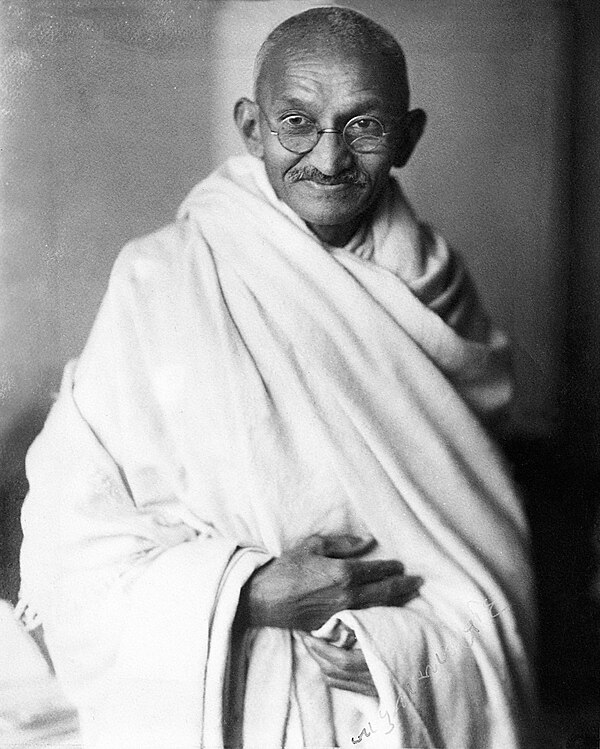
Mahatma Gandhi's assertion, "If you don't ask, you don't get it," serves as a profound reminder of the necessity of inquiry and the courage to seek what we desire. This statement encapsulates a fundamental truth about human experience: the act of asking is not merely a request for something tangible but an invitation to engage with the world around us. In a society often marked by silence or resignation, Gandhi's words challenge us to step forward, to voice our needs, and to embrace the possibility of receiving. The stakes are high; without the willingness to ask, we risk remaining in a state of unfulfilled potential.
Delving deeper into this wisdom reveals layers of meaning that resonate with the essence of human interaction and spiritual growth. Asking is an act of vulnerability, a recognition of our interconnectedness with others and the universe. It requires us to confront our fears of rejection and inadequacy, yet it also opens the door to possibility and abundance. In this light, Gandhi's quote becomes not just a practical guideline but a spiritual imperative, urging us to cultivate a mindset that embraces inquiry as a pathway to fulfillment and connection.
The image / the metaphor
The imagery in Gandhi's quote is strikingly simple yet deeply evocative. The verb "ask" implies an active engagement with the world, a reaching out that transcends mere desire. It suggests a dynamic interplay between the self and the external, where the act of asking becomes a bridge to receiving. The phrase "you don't get it" starkly highlights the consequences of inaction, reminding us that without the courage to articulate our needs, we remain in a state of deprivation. This metaphor of asking as a bridge underscores the importance of communication and the relational nature of existence.
Going deeper, we can see that the act of asking is not just about the words we speak; it is also about the intentions behind them. It embodies a form of humility and openness, a recognition that we are not isolated beings but part of a larger tapestry of life. In this sense, asking becomes a spiritual practice, a way of aligning ourselves with the flow of existence. It invites us to trust in the process of life, to believe that our needs and desires are valid and worthy of expression. This deeper understanding transforms the act of asking into a sacred dialogue with the universe.
In the speaker's tradition
In the context of Gandhi's life and teachings, we can draw parallels to the concept of satyagraha, or truth-force, which emphasizes the power of nonviolent resistance and the pursuit of truth through active engagement. Just as satyagraha requires individuals to stand firm in their beliefs and assert their needs, so too does asking require a commitment to authenticity and courage. Gandhi's own letters often reflect this interplay between personal conviction and the collective struggle for justice, illustrating how the act of asking can be a powerful catalyst for change.
Living the teaching
Consider a modern scenario where this teaching resonates: a workplace environment where an employee feels undervalued and overlooked. The individual may harbor feelings of frustration and resentment, yet the thought of asking for a raise or a promotion feels daunting. Here, Gandhi's wisdom serves as a guiding light, encouraging the employee to voice their needs and aspirations. By articulating their worth and contributions, they not only advocate for themselves but also foster a culture of open communication and mutual respect within the workplace.
Another application of this teaching can be found in personal relationships, particularly during moments of conflict or misunderstanding. Imagine a couple navigating a challenging period, where unspoken grievances linger beneath the surface. In this context, the act of asking—whether for clarity, support, or simply to be heard—can be transformative. By embracing the vulnerability of inquiry, both partners create space for deeper connection and understanding, ultimately strengthening their bond. This practice of asking, rooted in love and respect, becomes a vital tool for nurturing relationships and fostering emotional intimacy.
A reflection
As we contemplate Gandhi's profound insight, we are invited to reflect on our own lives and the ways in which we may hold back from asking for what we truly desire. What fears or beliefs prevent us from voicing our needs? In what areas of our lives might we benefit from the courage to ask? By engaging with these questions, we can begin to uncover the barriers that limit our potential and explore the transformative power of inquiry in our spiritual journey.


