Embracing the Wilderness Within
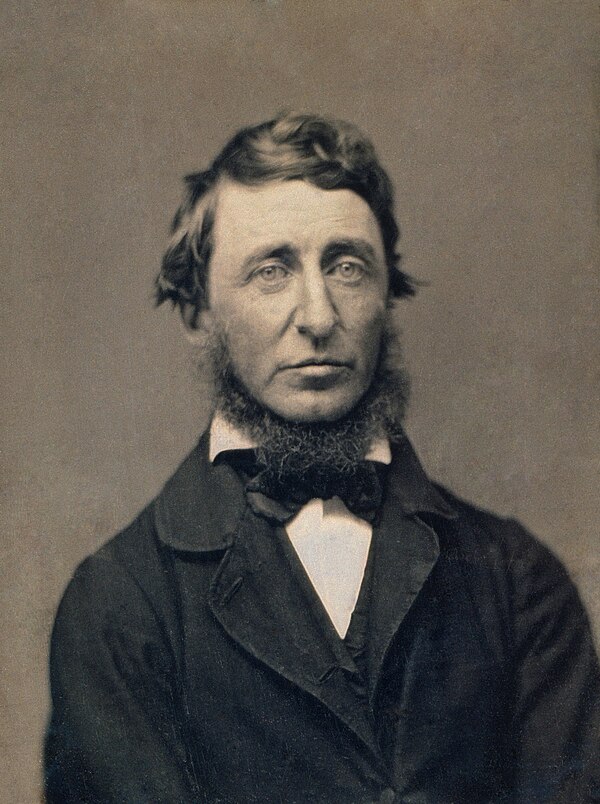
Henry David Thoreau's assertion, "Not until we are lost do we begin to understand ourselves," invites us to consider the profound relationship between disorientation and self-discovery. In a world that often prizes certainty and direction, Thoreau suggests that it is through moments of confusion and vulnerability that we can truly come to know ourselves. This perspective challenges the conventional wisdom that self-awareness is a straightforward path, revealing instead that it is often a winding journey through the wilderness of our own experiences.
Thoreau's insight resonates deeply in our contemporary lives, where the pressures of societal expectations can lead us to construct rigid identities. The notion of being "lost" can evoke fear, yet it also holds the potential for awakening. In surrendering to the unknown, we may uncover layers of our being that remain hidden in the safety of familiarity. This paradox of loss as a gateway to understanding is a theme that invites us to embrace uncertainty as a vital aspect of our spiritual journey.
The image / the metaphor
The imagery of being "lost" conjures a visceral sense of disorientation, evoking feelings of vulnerability and uncertainty. Thoreau's choice of the word "lost" implies a departure from the familiar, a shedding of the identities we cling to in our daily lives. This loss is not merely a physical dislocation but an emotional and spiritual one, where the familiar contours of our existence dissolve, leaving us in a state of raw openness. It is in this space of unknowing that we can begin to confront the deeper questions of who we are and what we truly value.
Diving deeper into the metaphor, being lost can be seen as a necessary prelude to awakening. Just as a seed must break open to sprout, we too must experience a form of dissolution to allow new growth. This metaphor resonates with the idea of the dark night of the soul, a concept found in various spiritual traditions, where the soul undergoes a profound transformation through periods of despair and confusion. In this light, Thoreau's words become a call to embrace the wilderness within, recognizing that our most authentic selves often emerge from the depths of our struggles.
In the speaker's tradition
Thoreau's perspective is deeply rooted in the transcendentalist tradition, which emphasizes the inherent goodness of people and nature, as well as the importance of individual intuition and self-reliance. This philosophy aligns with concepts such as dharma, the path of righteousness and duty, and kenosis, the idea of self-emptying to allow for greater spiritual fulfillment. In this context, being lost is not a failure but a necessary step toward understanding one's true purpose and place in the world.
In Thoreau's seminal work, "Walden," he reflects on the importance of solitude and introspection, suggesting that it is in the quiet moments away from societal distractions that we can hear the whispers of our true selves. This echoes the Buddhist concept of sunyata, or emptiness, where letting go of attachments can lead to profound insights. Thoreau's journey into the woods serves as a metaphorical pilgrimage, illustrating that the path to self-discovery often requires us to venture into the unknown, shedding the layers of societal expectation in order to uncover our authentic essence.
Living the teaching
Consider a modern scenario where an individual faces a significant life transition, such as a career change or the end of a relationship. Initially, this experience may feel disorienting, as the familiar structures of identity and purpose begin to crumble. Yet, within this chaos lies an opportunity for profound self-exploration. By embracing the feelings of being lost, one can begin to ask deeper questions about their passions, values, and aspirations, ultimately leading to a more authentic and fulfilling path forward.
A reflection
As we contemplate Thoreau's assertion, we are invited to reflect on our own experiences of being lost. What moments in your life have led to significant insights or transformations? In what ways can you embrace the uncertainty that comes with these experiences, allowing them to guide you toward a deeper understanding of yourself? Consider how the wilderness of your own journey may hold the keys to your most authentic self.


