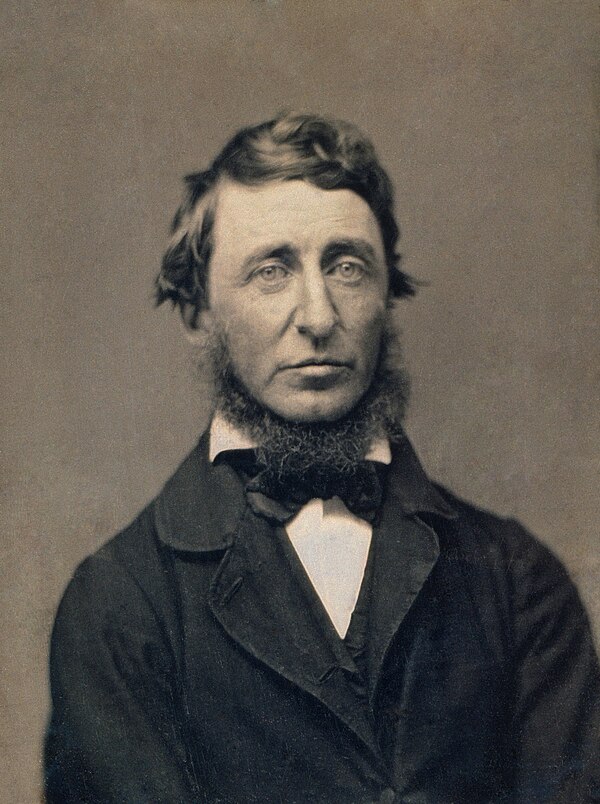
Henry David Thoreau's assertion, "Read the best books first, or you may not have a chance to read them at all," serves as a poignant reminder of the urgency and importance of prioritizing our intellectual and spiritual nourishment. In a world overflowing with distractions and superficial content, Thoreau urges us to seek out the profound and transformative works that can shape our understanding of life and ourselves. The stakes are high; if we neglect the wisdom contained in these texts, we risk missing out on insights that could guide us through our most challenging moments.
This quote resonates deeply within the context of our contemporary lives, where the sheer volume of information can overwhelm even the most dedicated seeker. Thoreau's call to action invites us to cultivate discernment in our reading habits, emphasizing that the quality of what we consume can significantly influence our growth and development. By choosing to engage with the best literature first, we not only enrich our minds but also honor the timeless wisdom that has been passed down through generations, ensuring that we are equipped to navigate the complexities of existence.
The image / the metaphor
At its core, Thoreau's quote paints a vivid picture of the act of reading as a journey through a vast landscape of knowledge. The phrase "read the best books first" suggests a deliberate choice, an intentional act of prioritization that requires both awareness and commitment. The urgency embedded in "or you may not have a chance to read them at all" evokes a sense of fleeting opportunity, reminding us that time is a precious resource. This imagery compels us to consider not only what we read but also the manner in which we approach our intellectual pursuits.
Diving deeper into the metaphor, we can see that Thoreau is not merely advocating for a preference for quality over quantity; he is inviting us to engage with literature that resonates with our deepest values and aspirations. The "best books" symbolize the works that challenge us, inspire us, and ultimately lead us toward greater wisdom and understanding. In this light, reading becomes a sacred act, a form of spiritual practice that can illuminate our path and guide us toward a more meaningful existence.
In the speaker's tradition
Thoreau's perspective is deeply rooted in the transcendentalist tradition, which emphasizes the inherent goodness of people and nature, as well as the importance of individual intuition and experience. Within this framework, the concept of "dharma" emerges as a guiding principle, suggesting that each individual has a unique path to follow, one that is informed by their own insights and experiences. By encouraging us to read the best books first, Thoreau aligns with the transcendentalist belief that wisdom is not merely inherited but must be actively sought and cultivated through personal engagement with profound ideas.
In his seminal work, "Walden," Thoreau reflects on the importance of simplicity and the pursuit of truth, echoing the sentiments found in other transcendentalist texts. Just as Ralph Waldo Emerson speaks of the need for self-reliance and the exploration of one's own thoughts, Thoreau's call to prioritize quality literature invites us to engage deeply with the ideas that resonate with our own experiences. This connection to the broader transcendentalist discourse underscores the significance of reading as a means of self-discovery and personal growth.
Living the teaching
Consider a modern scenario where an individual grapples with the overwhelming demands of daily life, constantly bombarded by social media, news, and a plethora of entertainment options. In this context, Thoreau's teaching becomes particularly relevant. By consciously choosing to set aside time for reading the best books—those that challenge their perspectives and deepen their understanding—this individual can cultivate a sense of clarity and purpose amidst the chaos. The act of prioritizing quality literature transforms their daily routine into a sacred practice, allowing them to engage with ideas that inspire and uplift.
In relationships, the wisdom of Thoreau's quote can also find application. Imagine a couple navigating a difficult moment, where misunderstandings and miscommunications abound. By turning to literature that explores themes of empathy, compassion, and effective communication, they can glean insights that foster deeper understanding and connection. In this way, reading the best books first becomes a tool for nurturing relationships, as it equips individuals with the wisdom needed to navigate the complexities of human interaction.
A reflection
As we reflect on Thoreau's profound words, we are invited to consider the nature of our own reading habits and the choices we make in our pursuit of knowledge. Are we prioritizing the works that resonate with our values and aspirations, or are we allowing ourselves to be swept away by the noise of the superficial? In this contemplative space, let us ask ourselves: What are the best books that call to us, and how might they shape our understanding of ourselves and the world around us?


