The Uniqueness of Being: Embracing Our Inherent Worth
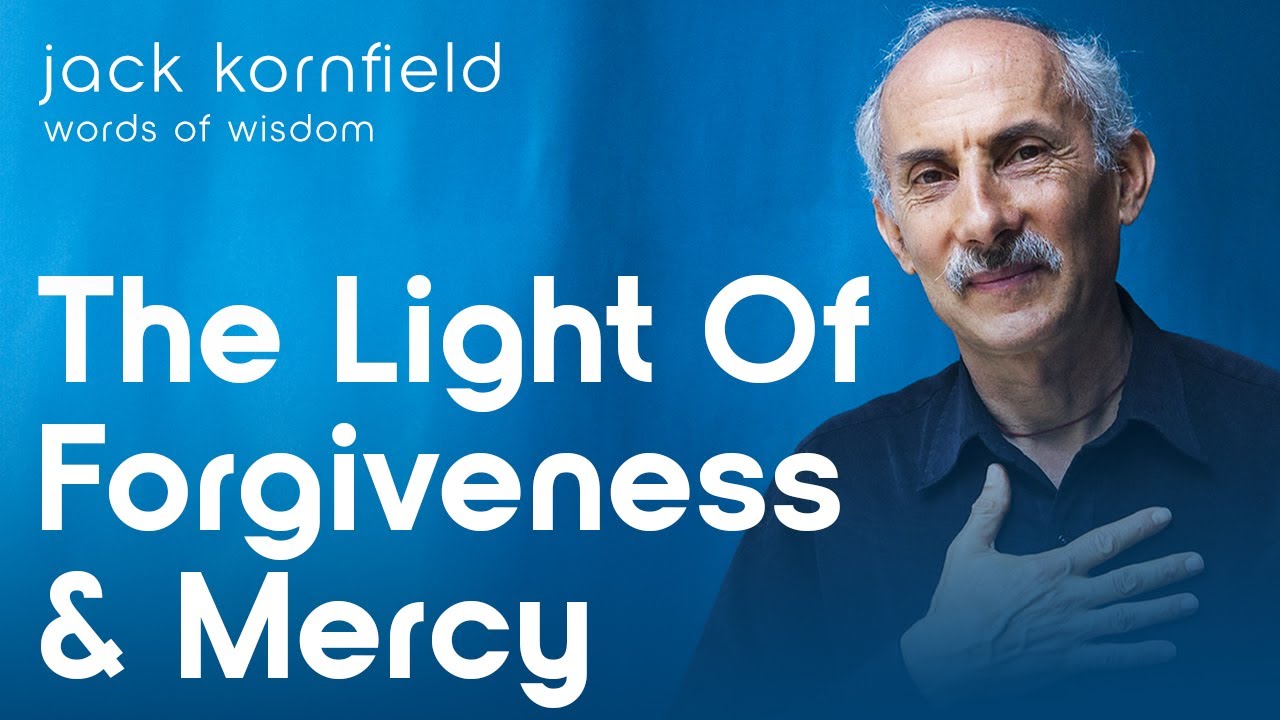
Jack Kornfield's poignant assertion, "Each of us is precious. The world cannot do without you," invites us to reflect on our intrinsic value and the unique contributions we bring to the tapestry of existence. In a world often overshadowed by feelings of inadequacy and comparison, this statement serves as a powerful reminder that every individual holds a vital place in the grand scheme of life. Understanding our worth is not merely an act of self-affirmation; it is a recognition of our interconnectedness and the essential role we play in the lives of others.
Delving deeper into this sentiment, we uncover layers of meaning that resonate with the core of human experience. The notion of being "precious" transcends material worth; it speaks to the essence of our being, our capacity for love, compassion, and creativity. When Kornfield emphasizes that "the world cannot do without you," he challenges us to confront the pervasive belief that we are replaceable or insignificant. This teaching beckons us to embrace our uniqueness and to understand that our presence is not just valuable but necessary for the flourishing of both ourselves and those around us.
The image / the metaphor
The imagery in Kornfield's quote evokes a sense of warmth and belonging. The word "precious" conjures feelings of rarity and value, akin to a cherished gem that enhances the beauty of its surroundings. The phrase "the world cannot do without you" suggests a profound interconnectedness, where each individual is a thread in the intricate fabric of existence. This metaphorical landscape invites us to consider how our actions, thoughts, and emotions ripple outward, influencing the lives of others in ways we may not always perceive.
Going deeper, we can see that this metaphor speaks to the essence of our shared humanity. Just as a single note contributes to a symphony, each person adds their unique melody to the collective experience of life. The verbs chosen—"cannot do without"—imply a sense of urgency and necessity, urging us to recognize that our contributions, no matter how small they may seem, are vital to the harmony of the whole. In this light, the quote becomes a call to action, inviting us to engage fully with our lives and to honor the preciousness of our existence.
In the speaker's tradition
In "The Wise Heart," Kornfield draws upon these teachings to illuminate the path toward self-acceptance and compassion. The Buddha's teachings on "metta," or loving-kindness, resonate deeply with the idea that each individual is deserving of love and respect. This is echoed in the Metta Sutta, where the Buddha encourages practitioners to cultivate loving-kindness towards themselves and all beings. By recognizing our own preciousness, we can extend that understanding to others, fostering a sense of community and interconnectedness that is essential for spiritual growth.
Living the teaching
Consider a modern scenario where this teaching can be applied: a workplace setting where individuals often feel undervalued or overlooked. In such environments, it is easy to lose sight of one's worth, leading to feelings of disconnection and frustration. By embracing Kornfield's message, one might begin to recognize their unique contributions to the team, understanding that their skills and perspectives are not only valuable but essential for the collective success of the group. This shift in perspective can foster a more supportive atmosphere, encouraging collaboration and mutual respect.
Another application of this teaching can be found in personal relationships, particularly during challenging moments. When conflicts arise, it is common to question one's worth or to feel inadequate. By internalizing the idea that "the world cannot do without you," individuals can approach these situations with a renewed sense of self-worth. This understanding allows for more compassionate communication, as one recognizes that both parties bring unique perspectives and strengths to the relationship. In this way, Kornfield's teaching becomes a guiding light, illuminating the path toward deeper connection and understanding.
A reflection
As we contemplate Kornfield's profound assertion, we are invited to reflect on our own lives and the ways in which we recognize our worth. How often do we acknowledge our unique contributions to the world around us? In what ways can we cultivate a deeper appreciation for ourselves and others? By engaging with these questions, we can begin to embody the essence of this teaching, fostering a sense of belonging and interconnectedness that enriches our lives and the lives of those we encounter.