Awareness as the Gateway to Liberation
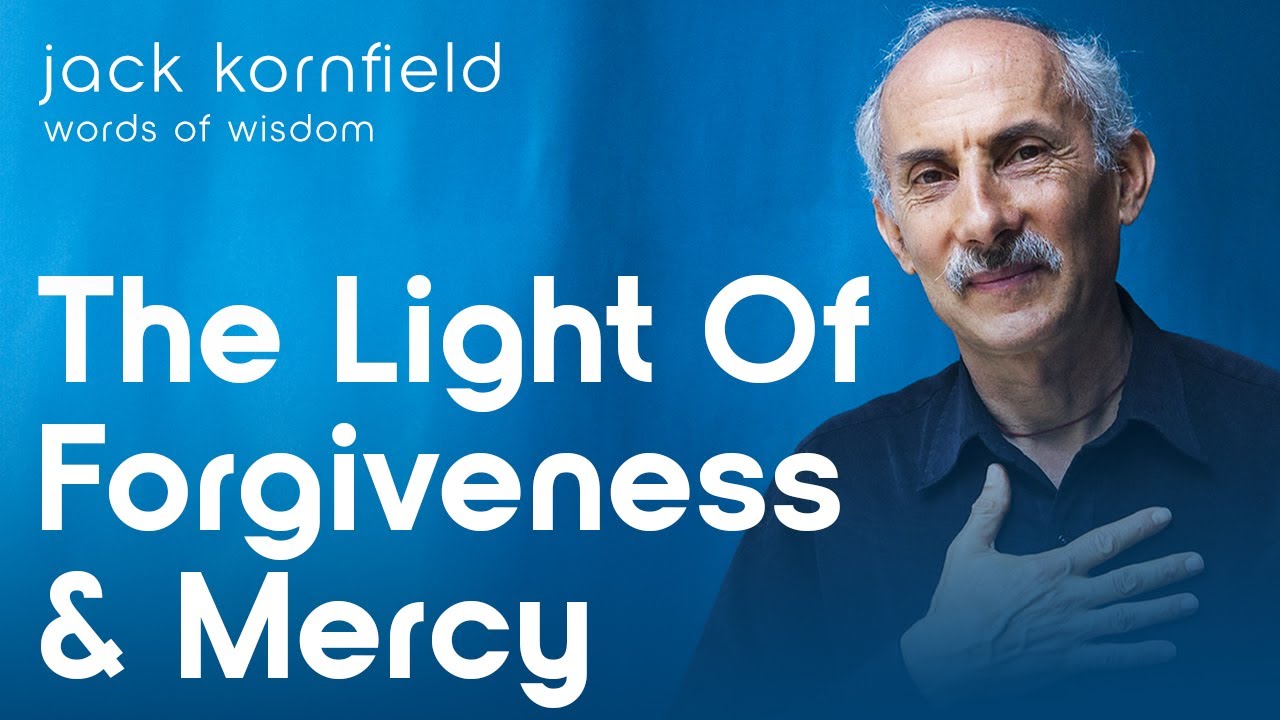
Jack Kornfield's assertion that "Even the smallest moment of awareness is a step toward freedom" invites us to reconsider the significance of mindfulness in our daily lives. In a world often characterized by distraction and chaos, the notion that a fleeting moment of awareness can catalyze profound liberation is both empowering and transformative. This quote serves as a reminder that freedom is not a distant goal but rather an accessible state that can be cultivated through our conscious attention to the present moment.
In deepening our understanding of this quote, we recognize that awareness is not merely a passive observation but an active engagement with our experiences. Each moment of awareness, no matter how small, acts as a stepping stone toward a more liberated existence. Kornfield's words encourage us to embrace the present, suggesting that even the briefest flicker of mindfulness can initiate a journey toward deeper understanding and ultimately, freedom from the constraints of our habitual patterns and conditioned responses.
The image / the metaphor
The imagery in Kornfield's quote evokes a sense of movement and progression. The phrase "a step toward freedom" suggests a journey, where each moment of awareness serves as a building block in our path. The verbs chosen—"even" and "is"—imply that no moment is too insignificant to contribute to our liberation. This notion resonates deeply within the contemplative practices of Buddhism, where the cultivation of awareness is seen as a vital aspect of spiritual growth.
In the speaker's tradition
Jack Kornfield, a prominent figure in contemporary Buddhism, draws upon the rich tapestry of Buddhist teachings to convey the importance of awareness. Central to this tradition is the concept of dharma, which encompasses the teachings of the Buddha and the path to enlightenment. Kornfield's emphasis on awareness aligns with the Buddhist practice of mindfulness, or sati, which encourages practitioners to cultivate a non-judgmental awareness of the present moment. This practice serves as a means to transcend the illusions of self and attachment, ultimately leading to liberation.
In his book "A Path with Heart," Kornfield references the teachings of the Buddha, who emphasized the importance of mindfulness as a path to freedom from suffering. The Satipatthana Sutta, a foundational text in Buddhist literature, outlines the Four Foundations of Mindfulness, illustrating how awareness of the body, feelings, mind, and phenomena can lead to profound insights and liberation. Kornfield's teachings resonate with this ancient wisdom, reminding us that the cultivation of awareness is a timeless practice that continues to hold relevance in our modern lives.
Living the teaching
Consider a modern scenario where this teaching can be applied: imagine a busy day at work filled with meetings, deadlines, and distractions. In the midst of this chaos, taking a moment to pause and breathe can serve as a powerful act of awareness. By simply acknowledging the sensations in your body or the thoughts racing through your mind, you create a space for clarity and presence. This small act can shift your perspective, allowing you to approach your tasks with renewed focus and intention, ultimately leading to a greater sense of freedom from the pressures of the day.
In a different context, think about a challenging conversation with a loved one. Often, our reactions are driven by emotional triggers and past experiences, leading to misunderstandings and conflict. By practicing awareness in this moment—taking a breath, observing your feelings, and listening deeply—you can create a space for genuine connection. This conscious engagement not only fosters understanding but also liberates you from the cycle of reactivity, allowing for a more compassionate and open-hearted interaction.
A reflection
As we reflect on Kornfield's profound insight, we might ask ourselves: "In what moments of my daily life can I cultivate awareness to experience greater freedom?" This question invites us to explore the subtle yet powerful ways in which mindfulness can transform our experiences. By embracing even the smallest moments of awareness, we open ourselves to the possibility of liberation, reminding us that freedom is not a distant destination but a journey we embark upon with each conscious breath.