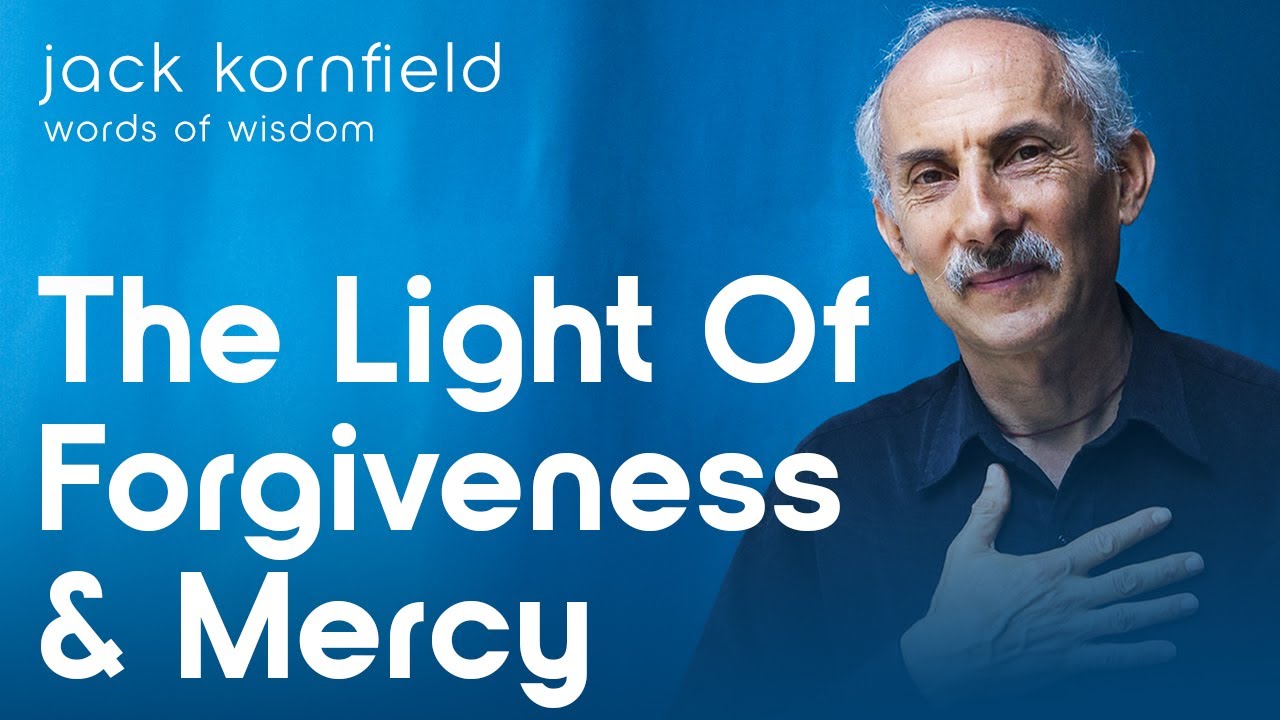
The Wholeness of Compassion: Embracing the Self
Jack Kornfield's poignant assertion, "If your compassion does not include yourself, it is incomplete," invites us to explore the profound relationship between self-compassion and the compassion we extend to others. This statement underscores a vital truth: our ability to care for others is intrinsically linked to how we regard ourselves. In a world often marked by self-criticism and harsh judgments, this teaching serves as a gentle reminder that true compassion must encompass our own hearts, allowing us to cultivate a more authentic and expansive love.
Delving deeper, Kornfield's words challenge us to reconsider the boundaries we often place around our compassion. It is all too easy to extend kindness and understanding to others while neglecting our own needs and emotions. This imbalance not only diminishes our capacity for genuine empathy but also perpetuates a cycle of suffering. By recognizing that self-compassion is not a selfish act but rather a necessary foundation for a compassionate life, we open ourselves to a more holistic understanding of love and connection.
The image / the metaphor
At the heart of Kornfield's quote lies a vivid imagery of compassion as a flowing river. When we think of compassion, we often envision it as an outward expression, a stream that nourishes those around us. However, if this river does not also flow inward, it becomes stagnant, unable to sustain the very source from which it originates. The verbs "include" and "is incomplete" evoke a sense of wholeness, suggesting that compassion must be an all-encompassing embrace, one that envelops both ourselves and others in its warmth.
Moreover, the metaphor of a river invites us to consider the interconnectedness of all beings. Just as a river nourishes the land it traverses, our self-compassion enriches our ability to empathize with the struggles of others. When we allow ourselves to feel compassion for our own imperfections and vulnerabilities, we cultivate a deeper understanding of the human experience, fostering a sense of unity and shared humanity that transcends individual suffering.
In the speaker's tradition
Jack Kornfield, a prominent figure in contemporary Buddhism, draws upon the rich tapestry of Buddhist teachings to illuminate the importance of self-compassion. Central to this tradition is the concept of "karuna," or compassion, which extends beyond mere sympathy to encompass a deep understanding of suffering. In this context, self-compassion is not an act of self-indulgence but rather an essential aspect of the dharma, the path of ethical and spiritual development that encourages us to cultivate love and kindness towards all beings, including ourselves.
In his book "A Path with Heart," Kornfield echoes the teachings of the Buddha, who emphasized the significance of loving-kindness (metta) as a foundational practice. The Metta Sutta, a key text in the Pali Canon, encourages practitioners to develop a boundless love that begins with oneself and radiates outward. This alignment with the Buddha's teachings reinforces Kornfield's assertion, reminding us that self-compassion is not merely an adjunct to compassion for others but a vital component of a balanced spiritual life.
Living the teaching
Consider a modern scenario where this teaching resonates: a busy professional grappling with the demands of work and family life. In the pursuit of success and the desire to care for loved ones, they often neglect their own well-being, leading to burnout and resentment. By embracing Kornfield's teaching, this individual can begin to recognize the importance of self-care as an integral part of their ability to support others. Taking time for self-reflection, engaging in restorative practices, and allowing themselves moments of grace can transform their experience, enabling them to approach their responsibilities with renewed energy and compassion.
In the realm of relationships, Kornfield's insight can be particularly transformative. Imagine a couple navigating a challenging period, where one partner feels overwhelmed by feelings of inadequacy and self-doubt. By practicing self-compassion, they can learn to acknowledge their own struggles without judgment, fostering an environment of openness and understanding. This shift not only enhances their individual well-being but also deepens their connection, allowing both partners to support each other with greater empathy and love.
A reflection
As we contemplate Kornfield's profound statement, we are invited to reflect on the nature of our own compassion. Are there areas in our lives where we extend kindness to others while withholding it from ourselves? In what ways can we cultivate a more inclusive compassion that embraces our own vulnerabilities and imperfections? By engaging with these questions, we can begin to weave a richer tapestry of compassion that honors both our own hearts and the hearts of those around us.