The Gentle Art of Presence
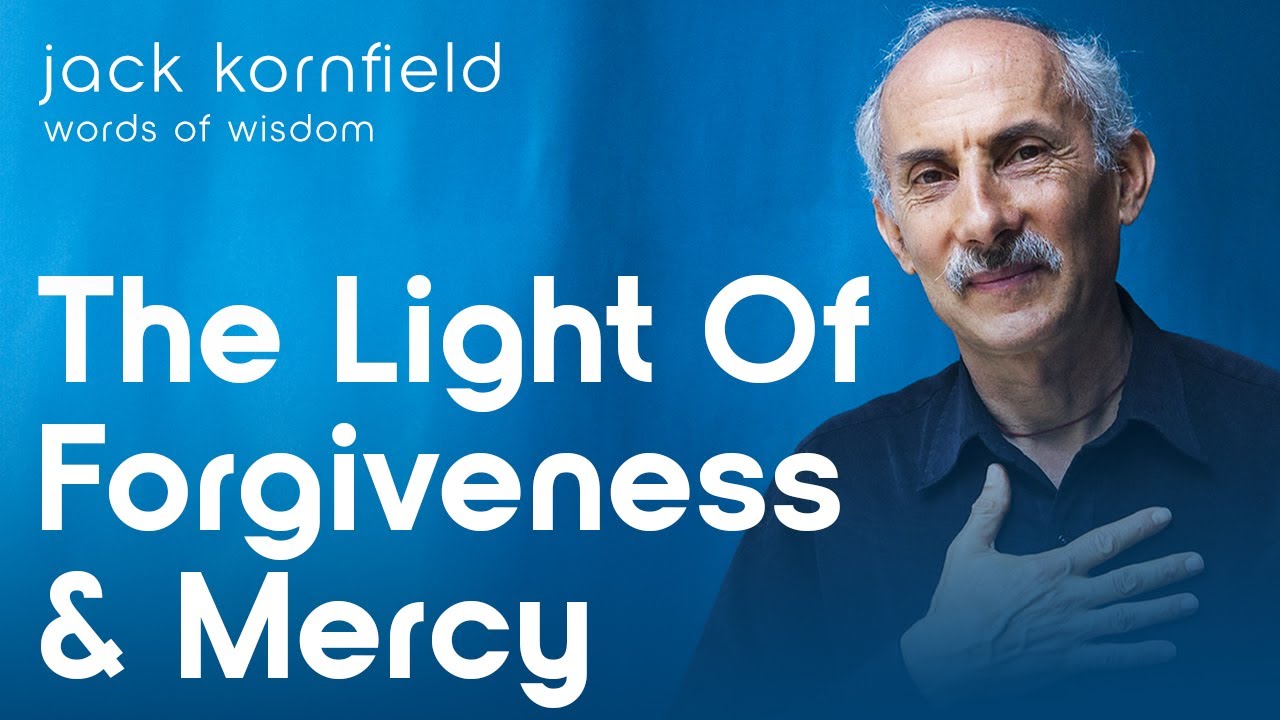
Jack Kornfield's assertion that "mindfulness is the gentle effort to be continuously present with experience" invites us to explore the delicate balance between awareness and acceptance in our daily lives. This quote emphasizes the importance of cultivating a consistent, gentle awareness of our thoughts, feelings, and surroundings. In a world often characterized by distraction and haste, the practice of mindfulness becomes a sanctuary, a way to reconnect with the essence of our experiences and the richness of the present moment.
To be continuously present with experience is not merely a call to attention; it is an invitation to engage with life in a way that is both compassionate and non-judgmental. Kornfield's use of the word "gentle" suggests that mindfulness is not a rigid discipline but rather a soft, nurturing approach to our inner and outer worlds. This gentle effort allows us to embrace our experiences fully, fostering a deeper understanding of ourselves and our relationships with others.
The image / the metaphor
The imagery in Kornfield's quote evokes a sense of tenderness and care. The phrase "gentle effort" conjures the image of a soft breeze that caresses the skin, reminding us that mindfulness does not require force or strain. Instead, it encourages a relaxed yet attentive state of being, where we can observe our thoughts and feelings without becoming entangled in them. This gentle approach fosters a sense of safety, allowing us to explore our experiences without fear of judgment or rejection.
In the speaker's tradition
Jack Kornfield, a prominent figure in the Western adaptation of Buddhist teachings, draws upon the rich tradition of mindfulness found in the Dharma. Central to this tradition is the concept of "sati," or mindfulness, which encourages practitioners to cultivate awareness of their thoughts, feelings, and sensations. This practice is deeply intertwined with the notions of "prajna," or wisdom, and "karuna," or compassion, both of which are essential for understanding the nature of our experiences and responding to them with kindness.
In his book "A Path with Heart," Kornfield emphasizes the importance of integrating mindfulness into our daily lives, echoing the teachings found in the Satipatthana Sutta, where the Buddha outlines the foundations of mindfulness. This ancient text encourages practitioners to observe their bodies, feelings, and mental states with clarity and compassion, reinforcing the idea that mindfulness is not merely a technique but a way of being that fosters deeper insight and connection.
Living the teaching
Consider a modern scenario where the practice of mindfulness can be transformative: imagine a busy day at work, filled with meetings and deadlines. In the midst of this chaos, one might feel overwhelmed, caught in a whirlwind of thoughts and responsibilities. By applying Kornfield's teaching, one can pause and take a moment to breathe, gently redirecting attention to the present moment. This simple act of mindfulness can create a sense of calm, allowing for clearer thinking and more effective engagement with tasks at hand.
Another application of this teaching can be found in our relationships. Picture a moment of conflict with a loved one, where emotions run high and communication falters. By embracing the gentle effort to be present, we can listen deeply, allowing ourselves to fully experience the other person's feelings without immediately reacting. This mindful presence fosters empathy and understanding, paving the way for resolution and connection, rather than further discord.
A reflection
As we contemplate Kornfield's words, we are invited to consider: how can we cultivate a gentle presence in our own lives? This question encourages us to reflect on our daily experiences and the ways we engage with ourselves and others. By exploring this inquiry, we may uncover new pathways to mindfulness, enriching our lives and deepening our connections to the world around us.