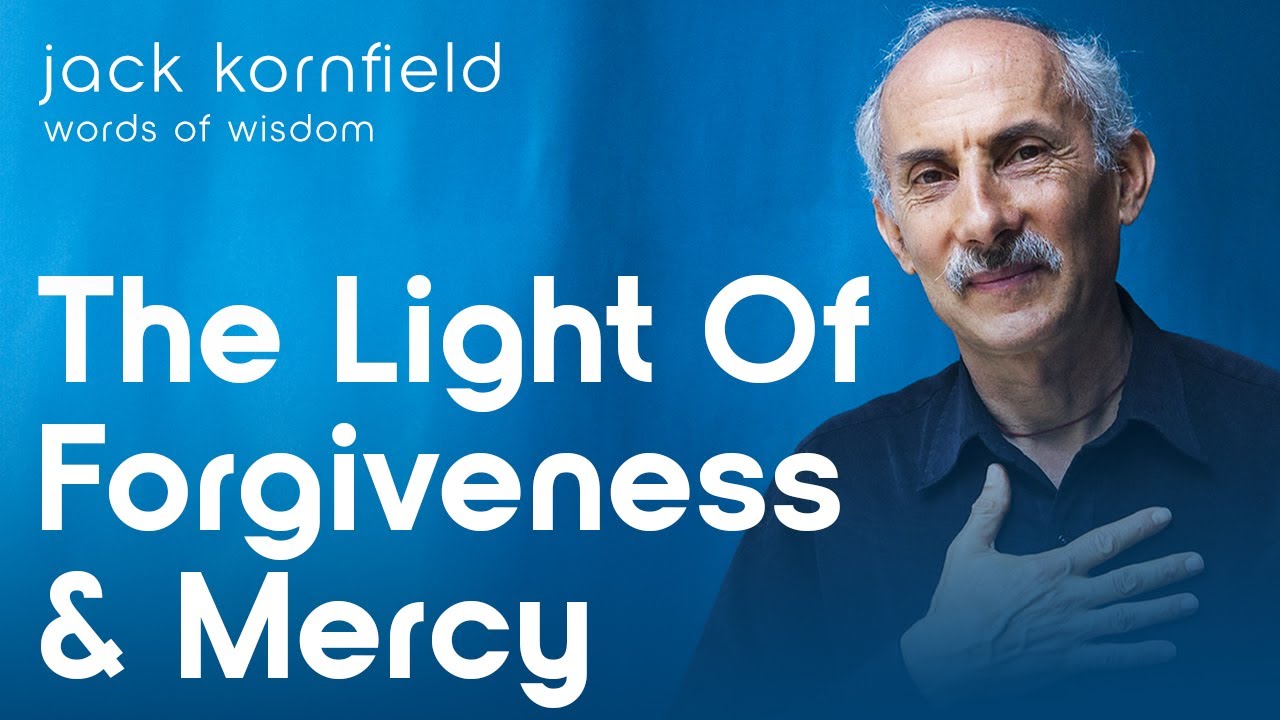
Jack Kornfield's assertion that "peace is the result of the practice of non-clinging, not of getting things our way" invites us to reconsider our relationship with desire and attachment. In a world that often equates happiness with the fulfillment of our wants, this perspective offers a profound shift. It suggests that true peace arises not from the successful acquisition of our desires but from a deeper understanding of our attachments and the ability to let go. This teaching holds significant implications for our spiritual journeys, urging us to cultivate a sense of inner tranquility that is independent of external circumstances.
As we delve into Kornfield's wisdom, we recognize that the practice of non-clinging is not merely an abstract concept but a lived experience. It challenges us to confront the ways in which our desires shape our perceptions and emotional states. In doing so, we begin to see that peace is not a destination to be reached through the attainment of our wishes, but rather a state of being that emerges from our willingness to release our grip on those very desires. This understanding can transform our lives, allowing us to navigate the complexities of existence with grace and equanimity.
The image / the metaphor
The imagery in Kornfield's quote evokes a sense of fluidity and openness. The term "non-clinging" suggests a gentle release, a letting go of the tight grasp we often have on our desires and expectations. It conjures the image of a leaf floating on water, unburdened by the weight of attachment, moving freely with the currents of life. The verbs chosen—"practice" and "result"—indicate that peace is not a passive state but an active engagement with our inner landscape, a skill to be cultivated over time.
Diving deeper into the metaphor, we can see that clinging is akin to holding onto a heavy stone, which weighs us down and restricts our movement. In contrast, non-clinging allows us to experience life as it unfolds, embracing the impermanence of all things. This practice encourages us to approach our desires with curiosity rather than desperation, fostering a sense of spaciousness within ourselves. By letting go of the need to control outcomes, we open ourselves to the richness of the present moment, where true peace resides.
In the speaker's tradition
Jack Kornfield's teachings are deeply rooted in the Buddhist tradition, which emphasizes the importance of understanding the nature of suffering and the path to liberation. Central to this tradition is the concept of "dukkha," or the inherent unsatisfactoriness of life, which arises from our attachments and cravings. Kornfield's emphasis on non-clinging aligns with the Buddhist practice of "anatta," or non-self, which teaches that our identities are not fixed and that clinging to a sense of self leads to suffering. By recognizing the transient nature of our desires, we can cultivate a more profound sense of peace.
In his book, "A Path with Heart," Kornfield draws upon the teachings of the Buddha, who spoke of the Four Noble Truths and the Eightfold Path as a means to alleviate suffering. The practice of non-clinging can be seen as a manifestation of "right intention," which encourages us to cultivate thoughts and desires that lead to liberation rather than bondage. This alignment with the core tenets of Buddhism underscores the universality of Kornfield's message, inviting practitioners to explore the depths of their attachments and the freedom that lies beyond them.
Living the teaching
Consider a modern scenario where the practice of non-clinging can be applied: the experience of waiting for a promotion at work. Many individuals find themselves consumed by the desire for recognition and advancement, often leading to anxiety and frustration. By embracing Kornfield's teaching, one might shift their focus from the outcome of the promotion to the quality of their work and the relationships they cultivate with colleagues. This shift allows for a more peaceful engagement with the present moment, reducing the emotional turmoil that comes from clinging to specific expectations.
In the realm of relationships, the practice of non-clinging can be transformative. Imagine a couple facing challenges in their partnership, each person holding tightly to their own needs and desires. By practicing non-clinging, they can learn to approach their relationship with openness and vulnerability, allowing for a deeper connection that transcends individual wants. This shift fosters an environment where both partners can express their feelings without fear of judgment, ultimately nurturing a bond that is rooted in mutual understanding and acceptance.
A reflection
As we contemplate Kornfield's wisdom, we are invited to ask ourselves: What attachments am I holding onto that prevent me from experiencing peace? This question encourages a deep introspection, prompting us to examine the desires and expectations that shape our lives. By exploring our relationship with clinging, we can begin to cultivate a sense of freedom that allows us to navigate the complexities of existence with grace and serenity. In this journey, we may discover that true peace is not found in the fulfillment of our desires but in the gentle art of letting go.