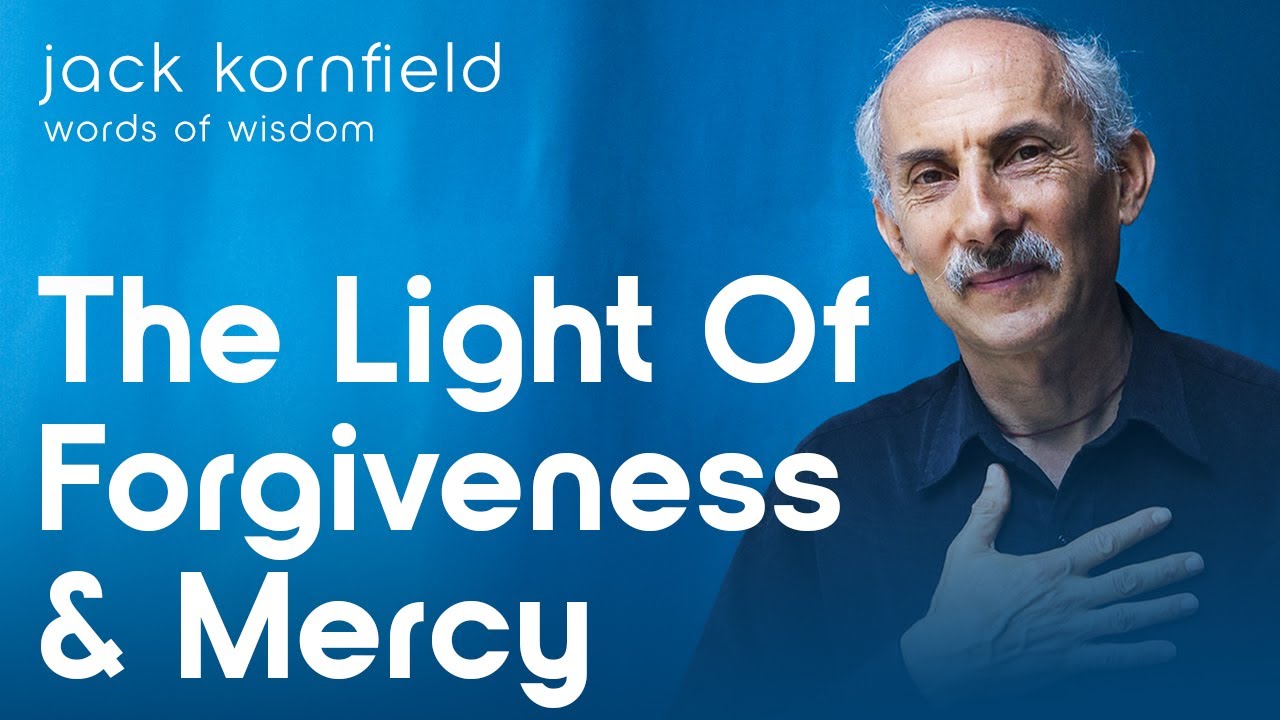
Jack Kornfield's poignant observation, "The heart's natural state is peace, but the mind agitates," invites us to explore the inherent tranquility of our being, juxtaposed against the often chaotic nature of our thoughts. In a world that frequently demands our attention and stirs our anxieties, this quote serves as a gentle reminder of our true essence. Understanding this dichotomy is crucial, as it not only shapes our spiritual journey but also influences our daily interactions and emotional well-being.
As we delve deeper into this quote, we recognize that the heart symbolizes our core self, a space of serenity and compassion, while the mind represents the ceaseless chatter that can lead to confusion and distress. Kornfield's words resonate with those who seek solace amidst life's challenges, urging us to reconnect with our heart's natural state. This exploration is not merely philosophical; it has profound implications for how we navigate our lives, relationships, and inner landscapes.
The image / the metaphor
The imagery in Kornfield's quote evokes a vivid contrast between the heart and the mind. The heart, often associated with warmth and stillness, embodies a sanctuary of peace, while the mind, with its verbs of agitation and turmoil, suggests a restless sea of thoughts and emotions. This metaphorical landscape invites us to visualize our inner world, where the heart stands as a calm oasis amidst the stormy waves of mental activity. The choice of words emphasizes the natural state of the heart, suggesting that peace is not something we must strive for but rather a condition intrinsic to our being.
In the speaker's tradition
Jack Kornfield, a prominent figure in contemporary Buddhism, draws upon rich traditions that emphasize the interplay between the heart and mind. Concepts such as dharma, which refers to the natural law and order of the universe, and prajna, or wisdom, are central to understanding this relationship. In Buddhist practice, the heart is often associated with compassion and loving-kindness, while the mind is seen as a source of both insight and distraction. Kornfield's teaching aligns with the notion of kenosis, or self-emptying, where one must let go of the mind's incessant chatter to access the heart's peace.
In texts such as the "Dhammapada," the Buddha speaks to the importance of mastering the mind to achieve inner peace. The verses remind us that our thoughts shape our reality, echoing Kornfield's assertion that the mind can lead us away from our heart's natural state. By recognizing the mind's role in creating agitation, we can begin to cultivate practices that bring us back to the heart's tranquility, allowing us to embody the teachings of compassion and mindfulness.
Living the teaching
Consider a modern scenario where this teaching resonates: a busy professional navigating the pressures of deadlines and expectations. In such moments, the mind may race with worries about performance, future uncertainties, and the weight of responsibilities. Yet, by acknowledging the heart's natural state of peace, one can pause, breathe, and reconnect with a sense of calm. This practice of returning to the heart allows for a more centered approach to challenges, transforming agitation into clarity and focus.
In relationships, the application of Kornfield's insight can be equally transformative. Imagine a disagreement with a loved one, where emotions run high and misunderstandings abound. The mind may spiral into defensiveness or blame, creating further distance. However, by tapping into the heart's peace, one can approach the conversation with compassion and understanding, fostering connection rather than conflict. This shift not only enhances communication but also nurtures the relationship, allowing both parties to feel heard and valued.
A reflection
As we contemplate Kornfield's wisdom, we are invited to reflect on our own experiences of agitation and peace. In what moments do we find ourselves caught in the turbulence of the mind, and how can we gently guide ourselves back to the heart's natural state of tranquility? This question encourages us to cultivate mindfulness in our daily lives, fostering a deeper connection with our true selves and the world around us.