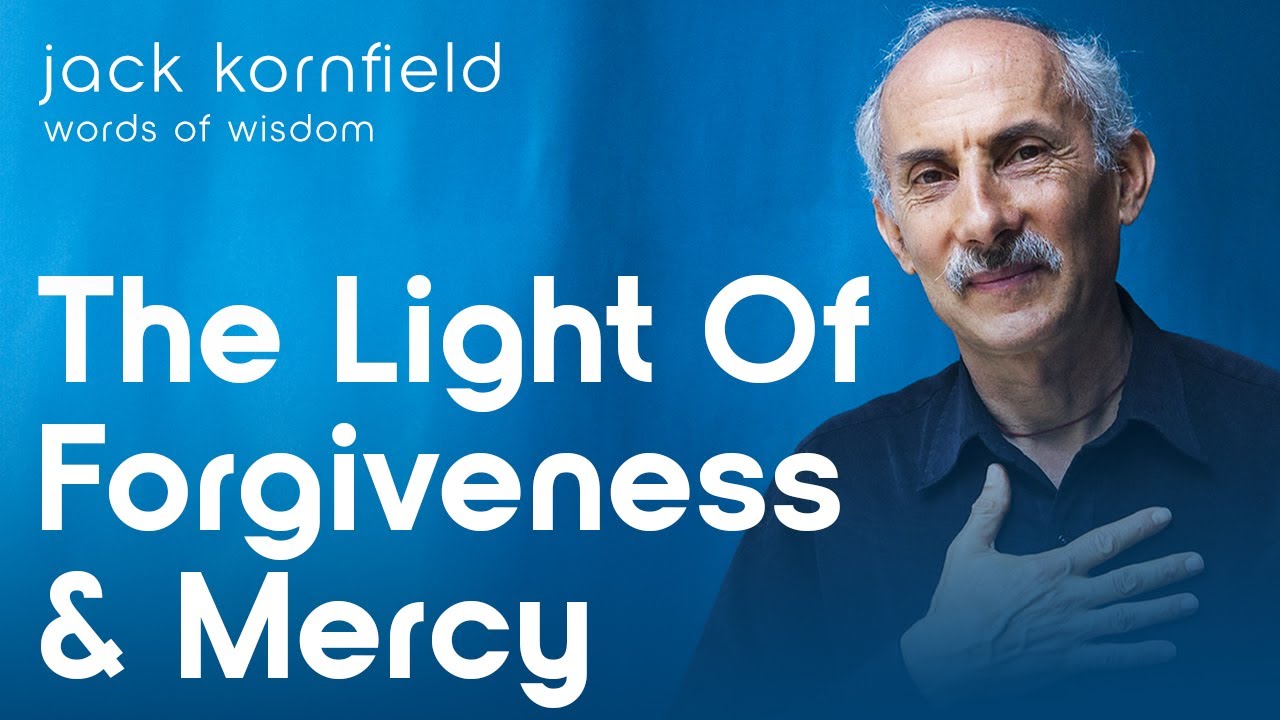
Jack Kornfield's poignant assertion, "You can search the entire universe for someone more deserving of your love than yourself, and you will not find them," invites us to explore the profound depths of self-love. This statement challenges the pervasive belief that our worth is contingent upon external validation or comparison. In a world that often encourages self-doubt and harsh self-criticism, Kornfield's words serve as a gentle reminder of the intrinsic value we each possess. Recognizing our own deservingness of love is not merely a personal journey; it is a radical act of self-acceptance that can transform our relationships with ourselves and others.
Delving deeper into this teaching, we uncover the layers of meaning embedded in Kornfield's words. The quest for love often leads us outward, as we seek affirmation and acceptance from others. Yet, this external pursuit can leave us feeling empty and unfulfilled. Kornfield's insight urges us to redirect our gaze inward, to cultivate a sense of worthiness that is independent of external circumstances. This shift is not just a personal endeavor; it is a collective awakening to the truth that we are all deserving of love, simply because we exist.
The image / the metaphor
The imagery in Kornfield's quote evokes a vast, boundless universe, suggesting an infinite search for something that is, paradoxically, already within us. The verbs "search" and "find" imply a journey, one that many embark upon in hopes of discovering their worth through others. This metaphor of searching the universe highlights the futility of seeking validation outside ourselves, as it emphasizes the vastness of our own inner landscape that remains unexplored. The felt sense of this quote resonates with the longing many of us experience—a longing for love that often leads us astray.
Diving deeper into the metaphor, we can see that the universe represents not only the external world but also the internal cosmos of our being. The search for love becomes a reflection of our inner dialogue, where self-criticism and doubt often overshadow our inherent worth. Kornfield's message is a call to recognize that the love we seek is not a distant star to be chased but a light that resides within us. By embracing this truth, we can illuminate our path with self-compassion and acceptance, transforming our internal landscape into a sanctuary of love.
In the speaker's tradition
Jack Kornfield, a prominent figure in the Buddhist tradition, draws upon the rich tapestry of teachings that emphasize the importance of self-love and acceptance. Central to these teachings is the concept of "metta," or loving-kindness, which encourages us to extend love and compassion first to ourselves before sharing it with others. This practice of self-love is not selfish; rather, it is a necessary foundation for genuine connection and compassion toward others. In the Buddhist context, recognizing our own worth is akin to understanding "sunyata," or emptiness, which teaches us that our perceived flaws and limitations are not inherent truths but rather constructs of the mind.
In his book "A Path with Heart," Kornfield echoes the sentiments found in the teachings of the Buddha, who emphasized the importance of self-compassion as a means to alleviate suffering. The Buddha's discourse on the "Four Noble Truths" highlights the necessity of understanding our own pain and suffering as a pathway to liberation. By acknowledging our worthiness of love, we align ourselves with the dharma, the universal truth that underpins our existence. This alignment fosters a sense of interconnectedness, reminding us that our journey toward self-love is not solitary but part of the greater human experience.
Living the teaching
Consider a modern scenario where this teaching resonates deeply: a person grappling with feelings of inadequacy in their professional life. They may constantly seek validation from colleagues, striving for approval and recognition. Yet, despite accolades and praise, they remain unfulfilled, as their self-worth hinges on external validation. Kornfield's teaching invites this individual to pause and reflect on their intrinsic value, encouraging them to cultivate self-love that is not contingent upon others' opinions. By embracing their worthiness, they can approach their work with renewed passion and authenticity, free from the shackles of comparison.
In the realm of relationships, Kornfield's insight can be transformative. Imagine a couple facing challenges, where one partner feels unworthy of love due to past mistakes. This sense of unworthiness can create barriers, leading to misunderstandings and resentment. By applying Kornfield's teaching, both partners can engage in a practice of self-love, recognizing that their worth is not diminished by their imperfections. This shift allows them to communicate openly, fostering a deeper connection rooted in acceptance and compassion. In this way, self-love becomes a catalyst for healing and growth within the relationship.
A reflection
As we contemplate Kornfield's profound words, we are invited to engage in a reflective practice. What does it mean for you to recognize your own deservingness of love? In moments of self-doubt or criticism, how can you cultivate a sense of self-compassion that honors your intrinsic worth? Allow these questions to guide you on your journey toward embracing the love that resides within, illuminating the path to a more authentic and fulfilling existence.