The Primacy of Sound: A Journey Beyond Words
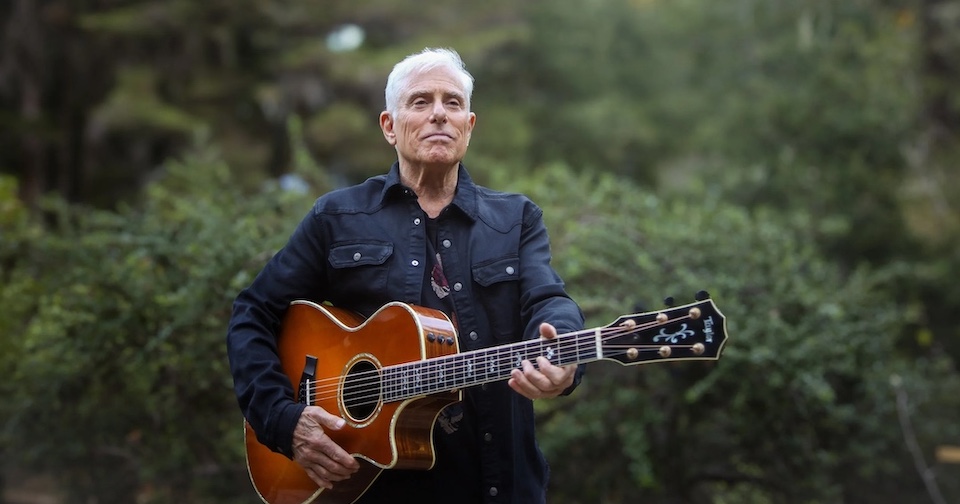
Jai Uttal's assertion that "Sound is older than language" invites us to reflect on the profound relationship between sound and the spoken word. In a world increasingly dominated by verbal communication, this statement serves as a reminder of the primal essence of sound, which predates the complexities of language. The implications of this idea are vast, suggesting that our connection to the universe and each other may be more deeply rooted in the vibrations we create than in the words we articulate.
To delve deeper, we must consider the nature of sound itself. Sound, in its purest form, is a fundamental aspect of existence, resonating through the cosmos long before humanity developed the capacity for structured language. This perspective not only elevates sound as a medium of expression but also positions it as a sacred conduit through which we can access deeper truths about ourselves and the world around us. By acknowledging the precedence of sound, we open ourselves to a more profound experience of connection, creativity, and spirituality.
The image / the metaphor
When we contemplate the phrase "Sound is older than language," we are invited to visualize the primordial vibrations that filled the universe before the advent of human speech. The imagery conjured here is one of raw, unfiltered energy—a symphony of frequencies that existed in a state of pure potential. The verbs chosen—"is" and "older"—suggest a timelessness, a continuity that links us to the very fabric of creation. This evokes a felt sense of belonging to something greater, a reminder that we are part of an ancient lineage of sound that transcends the confines of language.
Delving deeper into the metaphor, we can see sound as a bridge between the seen and the unseen, the known and the unknown. It embodies the essence of communication that goes beyond mere words, tapping into the emotional and spiritual dimensions of our existence. In this light, sound becomes a universal language, one that resonates with the heart and soul, allowing us to express what often eludes verbal articulation. This understanding invites us to explore the depths of our own being, where sound and silence coexist in a dance of creation.
In the speaker's tradition
Jai Uttal's insights are deeply rooted in the tradition of kirtan, a practice that emphasizes the power of sound and mantra as vehicles for spiritual connection. Within this framework, concepts such as bhakti—devotion—and dharma—righteousness—are intertwined with the vibrational quality of sound. Kirtan serves as a form of devotion that transcends the limitations of language, allowing practitioners to express their innermost feelings through the repetition of sacred sounds. This practice embodies the idea that sound, as a spiritual force, can lead us to a state of kenosis, or self-emptying, where we become receptive to divine presence.
Moreover, the notion of sound as a precursor to language resonates with the Buddhist concept of sunyata, or emptiness, which suggests that true understanding arises from a place beyond conceptual thought. In this context, sound becomes a means of accessing a deeper awareness, a state of being that is unencumbered by the complexities of verbal expression. The sacred texts of kirtan, such as the Bhagavad Gita, often emphasize the transformative power of sound, illustrating how it can lead to liberation and enlightenment when approached with sincerity and devotion.
Living the teaching
Consider a modern scenario where the teaching of sound's primacy manifests: a gathering of friends around a campfire, where laughter and music fill the air. In this moment, the shared experience transcends the need for articulate conversation; the vibrations of the music and the warmth of the fire create a sense of unity and connection. Here, sound becomes a medium through which relationships deepen, allowing individuals to express joy, sorrow, and everything in between without the constraints of language. This illustrates how sound can foster community and belonging, reminding us of our shared humanity.
In a different application, think about a challenging moment in a relationship where words seem inadequate to convey feelings of hurt or misunderstanding. In such instances, the power of sound can offer solace; perhaps a gentle song or a shared silence can bridge the emotional gap. Engaging in practices such as chanting or listening to soothing music can create a space for healing, allowing both parties to connect on a level that transcends verbal communication. This highlights the transformative potential of sound in navigating the complexities of human relationships.
A reflection
As we reflect on Jai Uttal's profound statement, we are invited to consider the role of sound in our own lives. How often do we allow ourselves to experience the vibrational essence of sound, beyond the confines of language? In what ways can we cultivate a deeper connection to the sounds around us, using them as a means to access our inner truths and foster connection with others? These contemplative questions encourage us to explore the sacredness of sound in our daily lives, inviting us to listen more deeply and resonate with the world around us.